


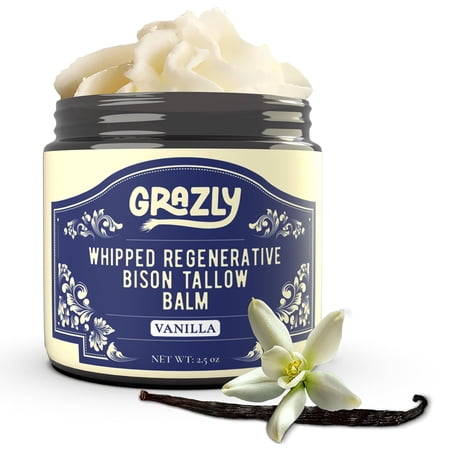
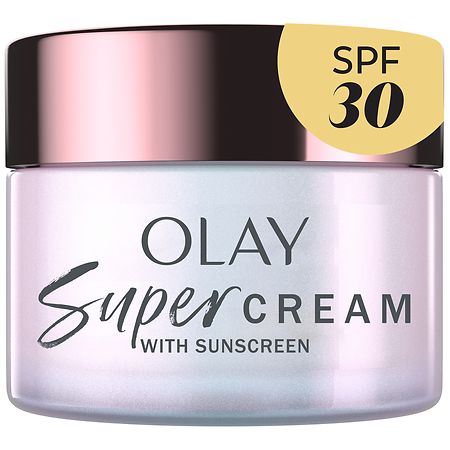
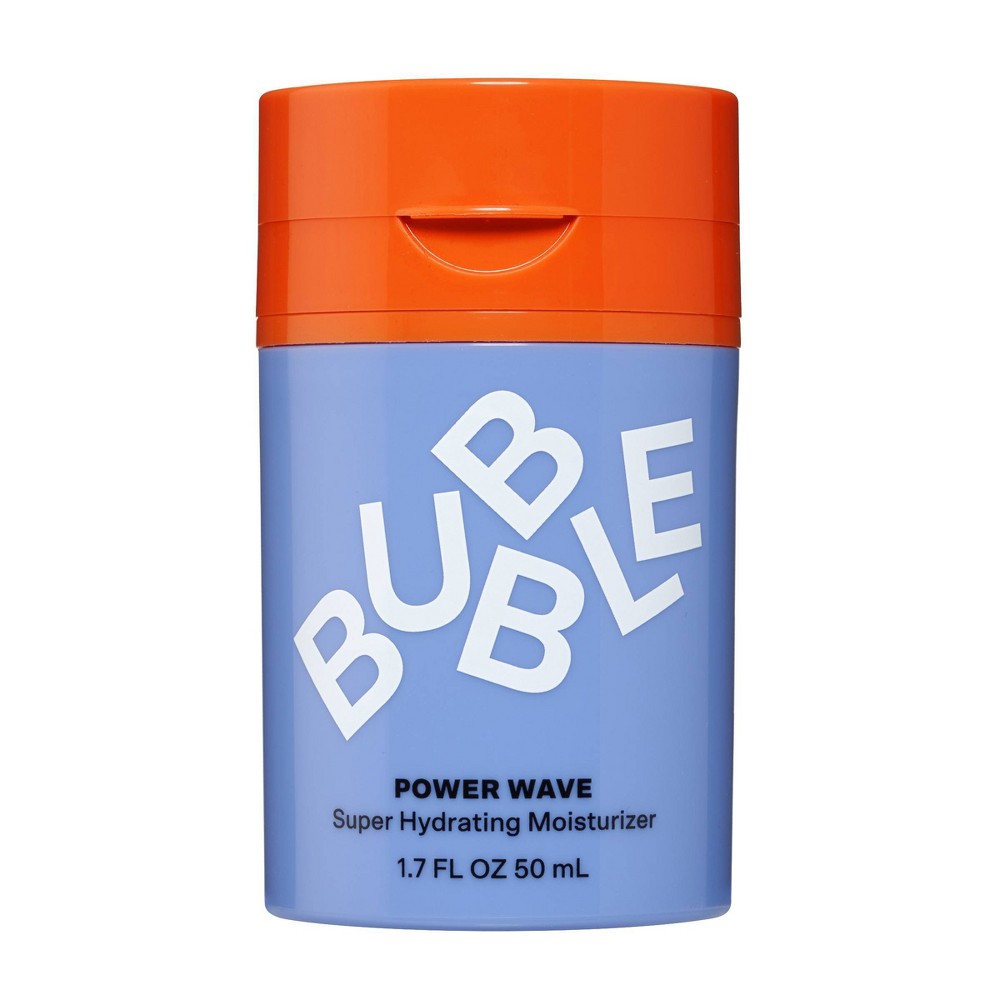
Avene Skin Recovery Cream, 1.69 Fl Oz
Analysis updated August 2026 · How Scout scores
At a glance
Summary
This moisturizer contains beneficial ingredients like Avene Thermal Spring Water, glycerin, and squalane, which are known for their soothing and moisturizing properties. However, the presence of mineral oil and synthetic ingredients such as tetrasodium EDTA and triethanolamine, which have potential environmental and irritation concerns, affects its overall safety profile. The product is moderately processed, balancing beneficial components with some synthetic additives.
Key ingredients 12
SqualaneVery Good
Squalane is a highly effective emollient and natural antioxidant. It mimics the skin's natural oils, making it an excellent moisturizer. It is non-comedogenic and suitable for all skin types.
Risks
There are minimal risks, as it is generally well-tolerated.
Benefits
It provides deep hydration and helps protect the skin from oxidative damage.
Avene Thermal Spring WaterGood
Avene Thermal Spring Water is known for its soothing and anti-irritating properties. It is often used in skincare products to calm sensitive skin. Its unique mineral composition can help reduce skin sensitivity.
Risks
There are minimal risks associated with thermal spring water, though individual reactions can vary.
Benefits
It provides soothing and calming effects, making it beneficial for sensitive skin.
GlycerinGood
Glycerin is a humectant that attracts moisture to the skin, helping to keep it hydrated. It is widely used in skincare for its ability to improve skin barrier function. It is generally well-tolerated and suitable for all skin types.
Risks
There are minimal risks, though overuse can lead to a sticky feeling on the skin.
Benefits
It enhances skin hydration and improves barrier function.
Glyceryl StearateNeutral
Glyceryl Stearate is an emulsifier that helps blend water and oils in formulations. It also acts as a lubricant on the skin's surface, giving it a soft and smooth appearance. It is generally considered safe and non-irritating.
Risks
There are minimal risks, though it may cause mild irritation in sensitive individuals.
Benefits
It helps stabilize formulations and provides a smooth texture to the skin.
CyclopentasiloxaneNeutral
Cyclopentasiloxane is a silicone that provides a silky, smooth feel to skincare products. It helps to temporarily fill in fine lines and wrinkles, giving the skin a more even appearance. It evaporates quickly, leaving no residue.
Risks
There are concerns about its environmental impact and potential to cause irritation in sensitive skin.
Benefits
It improves the texture and spreadability of products.
CyclohexasiloxaneNeutral
Cyclohexasiloxane is a lightweight silicone used to improve the texture and spreadability of skincare products. It provides a smooth application and helps to temporarily fill in fine lines. It is generally considered safe for use in cosmetics.
Risks
Environmental concerns exist regarding its persistence and bioaccumulation.
Benefits
It enhances product texture and provides a smooth finish.
SerineNeutral
Serine is an amino acid that is part of the skin's natural moisturizing factor. It helps to maintain skin hydration and improve texture. It is generally well-tolerated and safe for use in skincare.
Risks
There are minimal risks associated with serine.
Benefits
It helps maintain skin hydration and improves texture.
CarbomerNeutral
Carbomer is a thickening agent used to create gel-like textures in skincare products. It helps stabilize emulsions and provides a smooth application. It is considered safe for use in cosmetics.
Risks
There are minimal risks, though it may cause mild irritation in sensitive individuals.
Benefits
It provides a desirable texture and stabilizes formulations.
WaterNeutral
Water is a universal solvent used as a base in many skincare products. It helps dissolve other ingredients and provides hydration. It is essential for the formulation of emulsions.
Risks
There are minimal risks associated with water.
Benefits
It acts as a solvent and provides hydration.
Mineral OilBad
Processed additive flagged under Scout's ingredient doctrine.
Risks
Some concerns exist about its occlusive nature potentially clogging pores.
Benefits
It effectively prevents moisture loss, keeping the skin hydrated.
Tetrasodium EDTABad
Tetrasodium EDTA is a chelating agent used to improve the stability and shelf life of products. It binds to metal ions, preventing them from affecting the product's performance. However, it is a synthetic ingredient with potential environmental concerns.
Risks
It may cause irritation in sensitive skin and has environmental persistence concerns.
Benefits
It enhances product stability and prevents degradation.
TriethanolamineBad
Triethanolamine is used to adjust the pH of cosmetic formulations. It can be irritating to the skin and eyes, especially in high concentrations. It is also associated with the formation of nitrosamines, which are potential carcinogens.
Risks
It can cause skin and eye irritation and has potential carcinogenic concerns.
Benefits
It helps maintain the desired pH level in formulations.
Get the full breakdown in the Scout appTake Scout shopping
Scan any product to see lab results, healthy alternatives, and your personalized analysis.
Download on theApp Store GET IT ONGoogle PlayAmazon pricing & content
Amazon price as of . Product prices and availability are accurate as of the date/time indicated and are subject to change. Any price and availability information displayed on Amazon.com at the time of purchase will apply to the purchase of this product.
CERTAIN CONTENT THAT APPEARS ON THIS SITE COMES FROM AMAZON. THIS CONTENT IS PROVIDED “AS IS” AND IS SUBJECT TO CHANGE OR REMOVAL AT ANY TIME.