
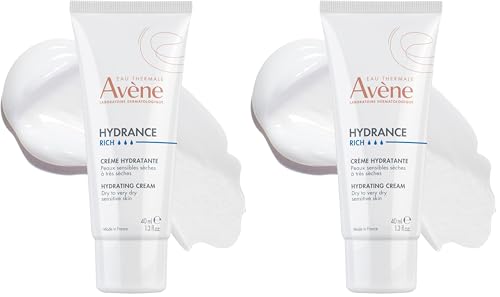

Avene Hydrance Optimale RICH Hydrating Cream, 1.3 Fl Oz
Analysis updated September 2026 · How Scout scores
At a glance
Summary
This moisturizer contains beneficial ingredients like Avene Thermal Spring Water, glycerin, safflower seed oil, and shea butter, which provide hydration and soothing properties. However, the presence of mineral oil raises concerns due to potential contamination risks, and the inclusion of fragrance can be irritating for sensitive skin. The product also contains PEG compounds and synthetic polymers, which contribute to a higher level of processing.
Key ingredients 24
Carthamus Tinctorius (Safflower) Seed OilVery Good
Safflower Seed Oil is rich in linoleic acid, which helps to maintain the integrity of the outer layer of the skin. It is known for its moisturizing and anti-inflammatory properties. It is beneficial for dry and sensitive skin types.
Risks
There is a low risk of allergic reactions, though it is generally considered safe.
Benefits
It provides excellent moisturizing benefits and helps to soothe and calm the skin.
Butyrospermum Parkii (Shea) ButterVery Good
Shea Butter is a natural fat extracted from the nuts of the shea tree. It is known for its moisturizing and anti-inflammatory properties. It is beneficial for dry and sensitive skin types.
Risks
There is a low risk of allergic reactions, though it is generally considered safe.
Benefits
It provides excellent moisturizing benefits and helps to soothe and calm the skin.
Avene Thermal Spring WaterGood
Avene Thermal Spring Water is known for its soothing and anti-irritating properties. It is often used in skincare products to calm sensitive skin. Its mineral content can help improve skin hydration.
Risks
There are minimal risks associated with thermal spring water, though individual reactions can vary.
Benefits
It can help soothe and calm irritated skin, making it beneficial for sensitive skin types.
GlycerinGood
Glycerin is a powerful humectant that attracts moisture to the skin. It helps maintain the skin's water balance on an intercellular level. It is widely used in skincare for its hydrating properties.
Risks
There are minimal risks, though it may cause irritation in very sensitive skin.
Benefits
It enhances skin hydration and improves skin barrier function.
IsohexadecaneNeutral
Isohexadecane is a lightweight emollient that provides a silky feel to the skin. It is often used to improve the texture of skincare products. It is considered safe for use in cosmetics.
Risks
It is generally safe, but can cause irritation in sensitive individuals.
Benefits
It provides a smooth application and enhances the sensory feel of products.
Cetearyl AlcoholNeutral
Cetearyl Alcohol is a fatty alcohol used as an emollient and thickener in skincare products. It helps to stabilize formulations and improve texture. It is considered safe and non-irritating.
Risks
It is generally safe, but may cause irritation in very sensitive skin.
Benefits
It provides moisturizing properties and improves product texture.
Isocetyl Stearoyl StearateNeutral
Isocetyl Stearoyl Stearate is an emollient that provides a smooth feel to the skin. It is used to enhance the texture and spreadability of skincare products. It is considered safe for use in cosmetics.
Risks
It is generally safe, but may cause irritation in sensitive individuals.
Benefits
It improves the texture and application of skincare products.
TriethylhexanoinNeutral
Triethylhexanoin is an emollient that helps to improve the texture and feel of skincare products. It is used to enhance the spreadability and absorption of formulations. It is considered safe for use in cosmetics.
Risks
It is generally safe, but may cause irritation in sensitive individuals.
Benefits
It provides a smooth application and enhances the sensory feel of products.
Glyceryl StearateNeutral
Glyceryl Stearate is an emulsifier that helps to blend oil and water components in skincare products. It also acts as a lubricant on the skin's surface. It is considered safe and non-irritating.
Risks
It is generally safe, but may cause irritation in very sensitive skin.
Benefits
It helps to stabilize formulations and provides a smooth application.
PEG-100 StearateNeutral
PEG-100 Stearate is an emulsifier used to blend oil and water components in skincare products. It helps to stabilize formulations and improve texture. It is considered safe for use in cosmetics.
Risks
There is a potential risk of contamination with ethylene oxide and 1,4-dioxane.
Benefits
It helps to stabilize formulations and improve product texture.
1,2-HexanediolNeutral
1,2-Hexanediol is a synthetic preservative and moisture-binding agent. It helps to improve the shelf life of products and enhance skin hydration. It is considered safe for use in cosmetics.
Risks
It is generally safe, but may cause irritation in sensitive individuals.
Benefits
It helps to preserve formulations and improve skin hydration.
Cetearyl GlucosideNeutral
Cetearyl Glucoside is an emulsifier derived from coconut oil and sugar. It helps to blend oil and water components in skincare products. It is considered safe and non-irritating.
Risks
It is generally safe, but may cause irritation in very sensitive skin.
Benefits
It helps to stabilize formulations and improve product texture.
Benzoic AcidNeutral
Benzoic Acid is a preservative used to prevent microbial growth in skincare products. It helps to extend the shelf life of formulations. It is considered safe for use in cosmetics.
Risks
It may cause irritation in sensitive skin or when used in high concentrations.
Benefits
It helps to preserve formulations and prevent microbial contamination.
PhytosterolsNeutral
Phytosterols are plant-derived compounds that help to improve skin barrier function. They are known for their anti-inflammatory and moisturizing properties. They are considered safe for use in cosmetics.
Risks
There are minimal risks, though individual reactions can vary.
Benefits
They help to improve skin barrier function and provide moisturizing benefits.
Polyacrylate-13Neutral
Polyacrylate-13 is a synthetic polymer used as a thickening agent in skincare products. It helps to improve the texture and stability of formulations. It is considered safe for use in cosmetics.
Risks
It is generally safe, but may cause irritation in sensitive individuals.
Benefits
It helps to stabilize formulations and improve product texture.
PolyisobuteneNeutral
Polyisobutene is a synthetic polymer used as a thickening and film-forming agent. It helps to improve the texture and spreadability of skincare products. It is considered safe for use in cosmetics.
Risks
It is generally safe, but may cause irritation in sensitive individuals.
Benefits
It provides a smooth application and enhances the sensory feel of products.
Polysorbate 20Neutral
Polysorbate 20 is an emulsifier used to blend oil and water components in skincare products. It helps to stabilize formulations and improve texture. It is considered safe for use in cosmetics.
Risks
There is a potential risk of contamination with ethylene oxide and 1,4-dioxane.
Benefits
It helps to stabilize formulations and improve product texture.
Sodium HydroxideNeutral
Sodium Hydroxide is used to adjust the pH of skincare products. It is a strong alkali that helps to neutralize acidic components. It is considered safe in low concentrations.
Risks
In high concentrations, it can be irritating and corrosive to the skin.
Benefits
It helps to maintain the desired pH level of formulations.
Sorbitan IsostearateNeutral
Sorbitan Isostearate is an emulsifier used to blend oil and water components in skincare products. It helps to stabilize formulations and improve texture. It is considered safe for use in cosmetics.
Risks
It is generally safe, but may cause irritation in sensitive individuals.
Benefits
It helps to stabilize formulations and improve product texture.
WaterNeutral
Water is a universal solvent used as a base in many skincare products. It helps to dissolve other ingredients and improve product texture. It is considered safe and non-irritating.
Risks
There are minimal risks associated with water in cosmetics.
Benefits
It acts as a solvent and helps to hydrate the skin.
Xanthan GumNeutral
Xanthan Gum is a natural thickening agent used to stabilize skincare formulations. It helps to improve the texture and consistency of products. It is considered safe and non-irritating.
Risks
It is generally safe, but may cause irritation in very sensitive skin.
Benefits
It helps to stabilize formulations and improve product texture.
Mineral OilBad
Processed additive flagged under Scout's ingredient doctrine.
Risks
It may cause breakouts in acne-prone skin due to its occlusive nature.
Benefits
It effectively prevents moisture loss and keeps the skin hydrated.
DimethiconeBad
Occlusive silicone film-former — flagged under clean-beauty doctrine.
Risks
It may cause build-up on the skin with prolonged use.
Benefits
It helps to smooth the skin and protect it from moisture loss.
FragranceVery Bad
Fragrance is used to impart a pleasant scent to skincare products. However, it can be a common irritant and allergen for sensitive skin. It is often criticized for its potential to cause skin reactions.
Risks
It can cause allergic reactions and irritation, especially in sensitive skin.
Benefits
It provides a pleasant scent to products, enhancing user experience.
Get the full breakdown in the Scout appTake Scout shopping
Scan any product to see lab results, healthy alternatives, and your personalized analysis.
Download on theApp Store GET IT ONGoogle PlayAmazon pricing & content
Amazon price as of . Product prices and availability are accurate as of the date/time indicated and are subject to change. Any price and availability information displayed on Amazon.com at the time of purchase will apply to the purchase of this product.
CERTAIN CONTENT THAT APPEARS ON THIS SITE COMES FROM AMAZON. THIS CONTENT IS PROVIDED “AS IS” AND IS SUBJECT TO CHANGE OR REMOVAL AT ANY TIME.