





At a glance
Summary
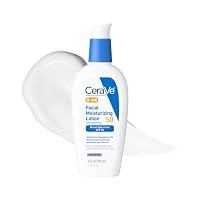
This moisturizer contains beneficial ingredients such as niacinamide, ceramides, and glycerin, which support skin hydration and barrier function. However, it includes chemical UV filters and triethanolamine, which can be irritating and have potential safety concerns. The presence of these ingredients, along with the level of processing involved in formulating a sunscreen, impacts the overall score.
Key ingredients 40
GLYCERINVery Good
Glycerin is a humectant that attracts moisture to the skin, helping to keep it hydrated. It is widely used in skincare products for its moisturizing properties. It is generally well-tolerated and beneficial for all skin types.
Risks
There are minimal risks associated with glycerin; it is generally safe for use.
Benefits
Glycerin helps maintain skin hydration and improves skin barrier function.
NIACINAMIDEVery Good
Niacinamide is a form of Vitamin B3 that offers multiple skin benefits, including improving skin barrier function and reducing inflammation. It is well-tolerated by most skin types and is a popular ingredient in skincare. It is known for its anti-aging and brightening effects.
Risks
There are minimal risks associated with niacinamide; it is generally safe for use.
Benefits
Improves skin texture, reduces redness, and enhances skin barrier function.
CERAMIDE NPVery Good
Ceramide NP is a skin-identical lipid that helps to restore and maintain the skin's natural barrier. It is beneficial for improving skin hydration and reducing transepidermal water loss. It is well-tolerated and beneficial for all skin types.
Risks
There are minimal risks associated with ceramides; they are generally safe for use.
Benefits
Strengthens the skin barrier and enhances skin hydration.
CERAMIDE APVery Good
Ceramide AP is a type of ceramide that helps to maintain the skin's natural barrier and improve hydration. It is beneficial for reducing dryness and improving skin texture. It is well-tolerated and beneficial for all skin types.
Risks
There are minimal risks associated with ceramides; they are generally safe for use.
Benefits
Enhances skin barrier function and improves hydration.
CERAMIDE EOPVery Good
Ceramide EOP is a skin-identical lipid that helps to restore the skin's natural barrier and improve hydration. It is beneficial for reducing dryness and improving skin texture. It is well-tolerated and beneficial for all skin types.
Risks
There are minimal risks associated with ceramides; they are generally safe for use.
Benefits
Strengthens the skin barrier and enhances skin hydration.
SODIUM HYALURONATEVery Good
Sodium hyaluronate is a form of hyaluronic acid that provides intense hydration to the skin. It helps to retain moisture and improve skin elasticity. It is well-tolerated and beneficial for all skin types.
Risks
There are minimal risks associated with sodium hyaluronate; it is generally safe for use.
Benefits
Deeply hydrates the skin and improves elasticity.
BUTYROSPERMUM PARKII BUTTER/SHEA BUTTERVery Good
Shea butter is a natural fat extracted from the nuts of the shea tree. It is used in cosmetics for its moisturizing and emollient properties. It is well-tolerated and beneficial for all skin types.
Risks
There are minimal risks associated with shea butter; it is generally safe for use.
Benefits
Deeply moisturizes the skin and improves elasticity.
BIS-ETHYLHEXYLOXYPHENOL METHOXYPHENYL TRIAZINEGood
This is a broad-spectrum UV filter that protects the skin from UVA and UVB rays. It is photostable and provides long-lasting sun protection. It is considered safe and effective for use in sunscreens.
Risks
There are minimal risks associated with this ingredient when used as directed.
Benefits
It offers effective protection against sun-induced skin damage.
BUTYL METHOXYDIBENZOYLMETHANEGood
Also known as Avobenzone, this ingredient is a UVA filter used in sunscreens to protect the skin from long-wave UVA rays. It is effective in preventing photoaging and skin damage. It is considered safe for use in sunscreens.
Risks
May degrade in sunlight unless stabilized with other ingredients.
Benefits
Provides broad-spectrum UVA protection, reducing the risk of skin aging.
ETHYLHEXYL TRIAZONEGood
Ethylhexyl triazone is a highly effective UVB filter used in sunscreens. It provides strong protection against sunburn and is photostable. It is considered safe for use in cosmetic formulations.
Risks
There are minimal risks associated with this ingredient when used as directed.
Benefits
Offers strong UVB protection, enhancing the sunscreen's effectiveness.
TOCOPHEROLGood
Tocopherol, also known as Vitamin E, is an antioxidant that helps to protect the skin from free radical damage. It is used in skincare products for its moisturizing and anti-aging benefits. It is generally considered safe for use in cosmetics.
Risks
There are minimal risks associated with tocopherol; it is generally safe for use.
Benefits
Protects the skin from oxidative stress and improves hydration.
AQUA/WATERNeutral
Water is a common solvent used in cosmetic formulations. It helps dissolve other ingredients and provides a base for the product. It is generally considered safe and non-irritating.
Risks
There are no significant risks associated with water in cosmetics.
Benefits
Water helps in hydrating the skin and acts as a carrier for other beneficial ingredients.
ISOPROPYL PALMITATENeutral
Isopropyl palmitate is an emollient that helps to soften and smooth the skin. It is used to enhance the texture and spreadability of products. It is generally considered safe for use in cosmetics.
Risks
In rare cases, it may cause skin irritation or acne in sensitive individuals.
Benefits
It provides a smooth application and helps to lock in moisture.
ETHYLHEXYL SALICYLATENeutral
Ethylhexyl salicylate is a UVB filter used in sunscreens to protect the skin from sunburn. It is commonly used in combination with other UV filters. It is generally considered safe for use in cosmetics.
Risks
May cause skin irritation in sensitive individuals.
Benefits
Provides protection against UVB rays, reducing the risk of sunburn.
PENTYLENE GLYCOLNeutral
Pentylene glycol is a synthetic humectant and solvent that helps to retain moisture in the skin. It also acts as a preservative booster in formulations. It is generally considered safe for use in cosmetics.
Risks
May cause mild irritation in very sensitive skin.
Benefits
Enhances skin hydration and improves product stability.
PROPANEDIOLNeutral
Propanediol is a glycol used as a solvent and humectant in cosmetics. It helps to improve the texture and spreadability of products. It is generally considered safe and non-irritating.
Risks
May cause mild irritation in sensitive skin.
Benefits
Enhances skin hydration and improves product texture.
ZEA MAYS STARCH/CORN STARCHNeutral
Corn starch is used as a thickening agent and absorbent in cosmetics. It helps to improve the texture and feel of products. It is generally considered safe for use in cosmetics.
Risks
May cause mild irritation in very sensitive skin.
Benefits
Improves product texture and absorbs excess oil.
POTASSIUM CETYL PHOSPHATENeutral
Potassium cetyl phosphate is an emulsifying agent that helps to stabilize formulations. It is used to improve the texture and consistency of products. It is generally considered safe for use in cosmetics.
Risks
There are minimal risks associated with this ingredient.
Benefits
Enhances product stability and texture.
DIISOPROPYL SEBACATENeutral
Diisopropyl sebacate is an emollient that helps to soften and smooth the skin. It is used to improve the spreadability of products. It is generally considered safe for use in cosmetics.
Risks
May cause mild irritation in sensitive skin.
Benefits
Provides a smooth application and enhances skin softness.
ORYZA SATIVA CERA/RICE BRAN WAXNeutral
Rice bran wax is used as a thickening agent and emollient in cosmetics. It helps to improve the texture and consistency of products. It is generally considered safe for use in cosmetics.
Risks
There are minimal risks associated with this ingredient.
Benefits
Improves product texture and provides emollient benefits.
STEARIC ACIDNeutral
Stearic acid is a fatty acid used as an emulsifier and thickening agent in cosmetics. It helps to stabilize formulations and improve texture. It is generally considered safe for use in cosmetics.
Risks
May cause mild irritation in sensitive skin.
Benefits
Enhances product stability and texture.
CARBOMERNeutral
Carbomer is a thickening agent used to stabilize and improve the texture of cosmetic formulations. It helps to create a smooth and consistent product. It is generally considered safe for use in cosmetics.
Risks
May cause mild irritation in sensitive skin.
Benefits
Improves product texture and stability.
GLYCERYL STEARATENeutral
Glyceryl stearate is an emulsifier that helps to blend oil and water components in formulations. It improves the texture and consistency of products. It is generally considered safe for use in cosmetics.
Risks
There are minimal risks associated with this ingredient.
Benefits
Enhances product stability and texture.
CETEARYL ALCOHOLNeutral
Cetearyl alcohol is a fatty alcohol used as an emollient and emulsifier in cosmetics. It helps to soften and smooth the skin and improve product texture. It is generally considered safe for use in cosmetics.
Risks
There are minimal risks associated with this ingredient.
Benefits
Provides emollient benefits and enhances product texture.
BEHENTRIMONIUM METHOSULFATENeutral
Behentrimonium methosulfate is a mild conditioning agent used in hair and skin care products. It helps to improve texture and manageability. It is generally considered safe for use in cosmetics.
Risks
There are minimal risks associated with this ingredient.
Benefits
Provides conditioning benefits and improves product texture.
TRIETHYL CITRATENeutral
Triethyl citrate is used as a fragrance ingredient and stabilizer in cosmetics. It helps to improve the longevity of scents and stabilize formulations. It is generally considered safe for use in cosmetics.
Risks
There are minimal risks associated with this ingredient.
Benefits
Enhances fragrance longevity and product stability.
SODIUM POLYACRYLATENeutral
Sodium polyacrylate is a thickening agent used to improve the texture and stability of cosmetic formulations. It helps to create a smooth and consistent product. It is generally considered safe for use in cosmetics.
Risks
There are minimal risks associated with this ingredient.
Benefits
Improves product texture and stability.
SODIUM LAUROYL LACTYLATENeutral
Sodium lauroyl lactylate is an emulsifier and mild surfactant used in cosmetics. It helps to blend ingredients and improve product texture. It is generally considered safe for use in cosmetics.
Risks
There are minimal risks associated with this ingredient.
Benefits
Enhances product texture and emulsification.
MYRISTIC ACIDNeutral
Myristic acid is a fatty acid used as an emulsifier and surfactant in cosmetics. It helps to stabilize formulations and improve texture. It is generally considered safe for use in cosmetics.
Risks
There are minimal risks associated with this ingredient.
Benefits
Enhances product stability and texture.
CHOLESTEROLNeutral
Cholesterol is a lipid that helps to maintain the skin's natural barrier and improve hydration. It is used in skincare products for its emollient properties. It is generally considered safe for use in cosmetics.
Risks
There are minimal risks associated with this ingredient.
Benefits
Enhances skin barrier function and improves hydration.
PALMITIC ACIDNeutral
Palmitic acid is a fatty acid used as an emollient and surfactant in cosmetics. It helps to soften and smooth the skin and improve product texture. It is generally considered safe for use in cosmetics.
Risks
There are minimal risks associated with this ingredient.
Benefits
Provides emollient benefits and enhances product texture.
CAPRYLYL GLYCOLNeutral
Caprylyl glycol is a humectant and preservative booster used in cosmetics. It helps to retain moisture and improve product stability. It is generally considered safe for use in cosmetics.
Risks
There are minimal risks associated with this ingredient.
Benefits
Enhances skin hydration and product stability.
CITRIC ACIDNeutral
Citric acid is used as a pH adjuster and exfoliant in cosmetics. It helps to balance the acidity of formulations and promote skin renewal. It is generally considered safe for use in cosmetics.
Risks
May cause mild irritation in sensitive skin.
Benefits
Balances product pH and promotes gentle exfoliation.
TRISODIUM ETHYLENEDIAMINE DISUCCINATENeutral
Trisodium ethylenediamine disuccinate is a chelating agent used to improve the stability and efficacy of cosmetic formulations. It helps to bind metal ions and prevent product degradation. It is generally considered safe for use in cosmetics.
Risks
There are minimal risks associated with this ingredient.
Benefits
Enhances product stability and efficacy.
XANTHAN GUMNeutral
Xanthan gum is a thickening agent used to stabilize and improve the texture of cosmetic formulations. It helps to create a smooth and consistent product. It is generally considered safe for use in cosmetics.
Risks
There are minimal risks associated with this ingredient.
Benefits
Improves product texture and stability.
PHYTOSPHINGOSINENeutral
Phytosphingosine is a lipid that helps to maintain the skin's natural barrier and improve hydration. It is used in skincare products for its emollient properties. It is generally considered safe for use in cosmetics.
Risks
There are minimal risks associated with this ingredient.
Benefits
Enhances skin barrier function and improves hydration.
ACRYLATES/C10-30 ALKYL ACRYLATE CROSSPOLYMERNeutral
This ingredient is used as a thickening agent and film-former in cosmetics. It helps to stabilize formulations and improve texture. It is generally considered safe for use in cosmetics.
Risks
There are minimal risks associated with this ingredient.
Benefits
Enhances product stability and texture.
BENZOIC ACIDNeutral
Benzoic acid is used as a preservative in cosmetics to prevent microbial growth. It helps to extend the shelf life of products. It is generally considered safe for use in cosmetics.
Risks
May cause mild irritation in sensitive skin.
Benefits
Prevents microbial growth and extends product shelf life.
PEG-100 STEARATENeutral
PEG-100 stearate is an emulsifier used to blend oil and water components in formulations. It improves the texture and consistency of products. It is generally considered safe for use in cosmetics.
Risks
There are minimal risks associated with this ingredient.
Benefits
Enhances product stability and texture.
TRIETHANOLAMINEBad
Triethanolamine is used as a pH balancer and emulsifier in cosmetics. However, it can be irritating to the skin and eyes, and there are concerns about its potential to form nitrosamines, which are carcinogenic. It is generally used in low concentrations to minimize risks.
Risks
May cause skin and eye irritation and has potential carcinogenic concerns.
Benefits
Helps to stabilize formulations and adjust pH levels.
Processing
Processed Foods
Get the full breakdown in the Scout appTake Scout shopping
Scan any product to see lab results, healthy alternatives, and your personalized analysis.
Download on theApp Store GET IT ONGoogle Play