


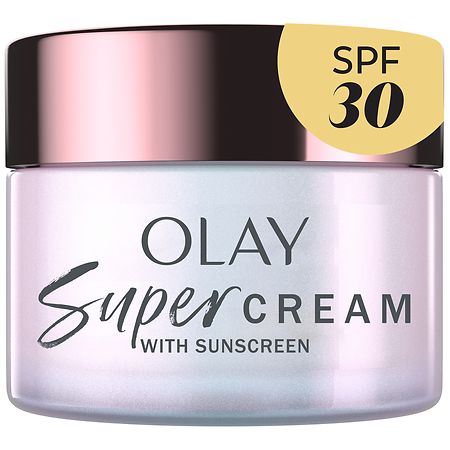

Clinique Dramatically Different Moisturising Cream 1.7 oz
Analysis updated August 2026 · How Scout scores
At a glance
Summary
This moisturizer contains beneficial ingredients like glycerin, dimethicone, and sodium hyaluronate, which provide hydration and improve skin texture. However, the presence of petrolatum, a petroleum-derived ingredient with potential contamination risks, significantly impacts the score. Additionally, the inclusion of synthetic dyes and PEG compounds suggests a moderate level of processing, which further influences the rating.
Key ingredients 25
GlycerinGood
Glycerin is a humectant that attracts moisture to the skin, helping to keep it hydrated. It is well-tolerated by most skin types and enhances the skin's natural barrier function.
Risks
Rarely, it may cause irritation in very sensitive skin.
Benefits
Helps maintain skin hydration and improves skin barrier function.
Cucumis Sativus (Cucumber) Fruit ExtractGood
Cucumber extract is known for its soothing and hydrating properties. It contains antioxidants and can help reduce swelling and irritation.
Risks
Rarely, it may cause allergic reactions in sensitive individuals.
Benefits
Soothes and hydrates the skin, providing antioxidant benefits.
Hordeum Vulgare (Barley) Extract / Extrait D'OrgeGood
Barley extract is rich in antioxidants and helps to soothe and protect the skin. It can improve skin texture and provide anti-aging benefits.
Risks
Low risk of irritation or allergic reaction.
Benefits
Provides antioxidant protection and soothes the skin.
Sodium HyaluronateGood
Sodium Hyaluronate is a form of hyaluronic acid that helps retain moisture in the skin, providing intense hydration. It is known for its ability to plump and smooth the skin.
Risks
Very low risk of irritation.
Benefits
Provides deep hydration and improves skin texture.
Water / Aqua / EauNeutral
Water is a common solvent used in cosmetics to dissolve other ingredients. It helps in the application and absorption of the product. It does not provide direct benefits or risks.
Benefits
Acts as a solvent and helps in the application of the product.
Tridecyl StearateNeutral
Tridecyl Stearate is an ester used as an emollient and thickening agent in cosmetics. It helps improve the texture and spreadability of the product.
Risks
Generally considered safe with low risk of irritation.
Benefits
Enhances texture and spreadability of the product.
Tridecyl TrimellitateNeutral
Tridecyl Trimellitate is used as an emollient and skin conditioning agent. It helps to soften and smooth the skin.
Risks
Low risk of irritation or sensitization.
Benefits
Softens and conditions the skin.
Polyglyceryl-10 PentastearateNeutral
Polyglyceryl-10 Pentastearate is an emulsifier that helps blend oil and water components in formulations. It is derived from natural sources and is generally well-tolerated.
Risks
Minimal risk of irritation.
Benefits
Helps stabilize emulsions and improve product consistency.
Behenyl AlcoholNeutral
Behenyl Alcohol is a fatty alcohol used as an emollient and thickener. It is not drying like simple alcohols and is generally safe for skin.
Risks
Low risk of irritation.
Benefits
Acts as an emollient and thickener, improving product texture.
Dipentaerythrityl Hexacaprylate/HexacaprateNeutral
This ingredient is used as an emollient and skin conditioning agent. It helps to improve the feel and application of the product.
Risks
Generally considered safe with low risk of irritation.
Benefits
Improves skin feel and product application.
Caprylyl GlycolNeutral
Caprylyl Glycol is a skin conditioning agent and preservative booster. It helps to improve skin hydration and extend the shelf life of products.
Risks
Low risk of irritation.
Benefits
Enhances skin hydration and product preservation.
Propylene Glycol DicaprateNeutral
This ingredient is used as an emollient and skin conditioning agent. It helps to improve the texture and feel of the product.
Risks
Generally considered safe with low risk of irritation.
Benefits
Improves skin feel and product application.
Helianthus Annuus (Sunflower) SeedcakeNeutral
Sunflower seedcake is a byproduct of sunflower oil extraction and is used for its emollient properties. It helps to soften and condition the skin.
Risks
Low risk of irritation or allergic reaction.
Benefits
Softens and conditions the skin.
PEG-100 StearateNeutral
PEG-100 Stearate is an emulsifier that helps blend oil and water components in formulations. It is widely used in cosmetics for its stabilizing properties.
Risks
Potential contamination with ethylene oxide and 1,4-dioxane.
Benefits
Stabilizes emulsions and improves product consistency.
Cetyl AlcoholNeutral
Cetyl Alcohol is a fatty alcohol used as an emollient and thickener. It is not drying like simple alcohols and is generally safe for skin.
Risks
Low risk of irritation.
Benefits
Acts as an emollient and thickener, improving product texture.
Butylene GlycolNeutral
Butylene Glycol is a humectant that helps retain moisture in the skin. It also improves the texture and spreadability of products.
Risks
Low risk of irritation.
Benefits
Enhances skin hydration and product texture.
TromethamineNeutral
Tromethamine is used as a pH adjuster in cosmetic formulations. It helps maintain the stability and efficacy of the product.
Risks
Low risk of irritation.
Benefits
Maintains product stability and efficacy.
CarbomerNeutral
Carbomer is a thickening agent used to create gel-like textures in cosmetics. It helps stabilize emulsions and improve product consistency.
Risks
Low risk of irritation.
Benefits
Stabilizes emulsions and enhances product texture.
Yellow 6 (CI 15985)Neutral
Yellow 6 is a synthetic dye used to impart color to cosmetics. It is approved for use in cosmetics but may cause allergic reactions in some individuals.
Risks
Potential for allergic reactions in sensitive individuals.
Benefits
Provides color to cosmetic products.
Red 33 (CI 17200)Neutral
Red 33 is a synthetic dye used to impart color to cosmetics. It is approved for use in cosmetics but may cause allergic reactions in some individuals.
Risks
Potential for allergic reactions in sensitive individuals.
Benefits
Provides color to cosmetic products.
DimethiconeBad
Occlusive silicone film-former — flagged under clean-beauty doctrine.
Risks
May cause breakouts in acne-prone skin due to its occlusive nature.
Benefits
Improves product texture and provides a protective barrier on the skin.
Sodium Stearoyl LactylateBad
Processed additive flagged under Scout's ingredient doctrine.
Risks
Minimal risk of irritation.
Benefits
Stabilizes emulsions and enhances product consistency.
PhenoxyethanolBad
Processed additive flagged under Scout's ingredient doctrine.
Risks
Potential for irritation in sensitive skin.
Benefits
Prevents microbial growth, extending product shelf life.
PetrolatumVery Bad
Petrolatum is a petroleum-derived occlusive agent that can trap moisture in the skin. However, it is heavily penalized due to potential contamination with harmful polycyclic aromatic hydrocarbons (PAHs).
Risks
Potential contamination with PAHs, which are carcinogenic.
Benefits
Effective at preventing moisture loss from the skin.
Yellow 5 (CI 19140)Very Bad
Heavily flagged ingredient class under Scout's doctrine.
Risks
Potential for allergic reactions in sensitive individuals.
Benefits
Provides color to cosmetic products.
Get the full breakdown in the Scout appTake Scout shopping
Scan any product to see lab results, healthy alternatives, and your personalized analysis.
Download on theApp Store GET IT ONGoogle PlayAmazon pricing & content
Amazon price as of . Product prices and availability are accurate as of the date/time indicated and are subject to change. Any price and availability information displayed on Amazon.com at the time of purchase will apply to the purchase of this product.
CERTAIN CONTENT THAT APPEARS ON THIS SITE COMES FROM AMAZON. THIS CONTENT IS PROVIDED “AS IS” AND IS SUBJECT TO CHANGE OR REMOVAL AT ANY TIME.