
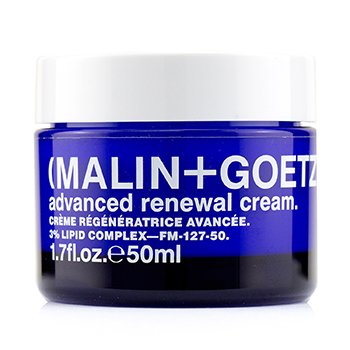

Advanced Renewal Cream by Malin + Goetz for Women - 1.7 oz Cream
Analysis updated June 2026 · How Scout scores
At a glance
Summary
This moisturizer contains beneficial ingredients like squalane, jojoba esters, and various plant extracts, which are known for their skin-nourishing properties. However, the presence of synthetic fragrance and potential allergens like linalool and citronellol, along with a moderate level of processing, detracts from its overall safety profile. The inclusion of sodium polyacrylate, a synthetic polymer, also impacts the score negatively.
Key ingredients 9
GlycerinGood
Glycerin is a humectant that attracts moisture to the skin, helping to keep it hydrated. It is commonly used in skincare products for its ability to improve skin barrier function. It is considered safe and effective for most skin types.
Risks
There are minimal risks associated with glycerin, though it may cause irritation in very sensitive skin.
Benefits
Glycerin helps maintain skin hydration and improves the skin's natural barrier.
SqualaneGood
Squalane is a highly effective emollient and natural antioxidant. It mimics the skin's natural oils, making it an excellent moisturizer. It is non-comedogenic and suitable for all skin types.
Risks
Squalane is generally considered safe with a low risk of irritation.
Benefits
Squalane provides deep hydration and helps to improve skin elasticity.
Camellia Sinensis Leaf ExtractGood
Camellia Sinensis Leaf Extract, commonly known as green tea extract, is rich in antioxidants. It helps protect the skin from environmental damage and has anti-inflammatory properties. It is beneficial for soothing irritated skin.
Risks
Rarely, it may cause irritation or allergic reactions in sensitive individuals.
Benefits
Green tea extract helps reduce inflammation and protects against free radical damage.
Jojoba EstersGood
Jojoba Esters are derived from jojoba oil and are used for their moisturizing properties. They help to soften and condition the skin without leaving a greasy residue. Jojoba Esters are similar to the skin's natural sebum, making them highly compatible with skin.
Risks
There are minimal risks, though some individuals may experience mild irritation.
Benefits
Jojoba Esters provide hydration and help balance the skin's natural oils.
TocopherolGood
Tocopherol, or Vitamin E, is a powerful antioxidant that helps protect the skin from oxidative stress. It also has moisturizing properties and supports skin repair. It is widely used in skincare for its protective benefits.
Risks
In rare cases, tocopherol can cause skin irritation or allergic reactions.
Benefits
Vitamin E helps protect the skin from environmental damage and supports skin health.
LinaloolBad
Linalool is a naturally occurring terpene alcohol found in many flowers and spice plants. It is used for its fragrance and is a common component of essential oils. However, it can oxidize and cause allergic reactions in some individuals.
Risks
Linalool can cause skin irritation and allergic reactions, particularly when oxidized.
Benefits
It contributes to the fragrance profile of the product.
CitronellolBad
Citronellol is a fragrance ingredient that is naturally found in citronella oil, rose oil, and geranium oil. It is used for its pleasant floral scent. However, it is a known allergen and can cause skin irritation.
Risks
Citronellol can cause allergic reactions and skin irritation in sensitive individuals.
Benefits
It provides a floral scent to the product.
GeraniolBad
Geraniol is a naturally occurring fragrance compound found in essential oils such as rose and citronella. It is used for its sweet, floral aroma. Despite its natural origin, it can cause skin irritation and allergic reactions.
Risks
Geraniol can cause skin irritation and allergic reactions, especially in sensitive skin.
Benefits
It adds a pleasant floral fragrance to the product.
Parfum (Fragrance)Very Bad
Fragrance is often added to cosmetics for a pleasant scent but can be a source of irritation. It is a common allergen and can cause skin sensitivity. Fragrance formulations are proprietary, making it difficult to assess specific risks.
Risks
Fragrance can cause allergic reactions and skin irritation, especially in sensitive individuals.
Benefits
It provides a pleasant scent to the product, enhancing user experience.
Get the full breakdown in the Scout appTake Scout shopping
Scan any product to see lab results, healthy alternatives, and your personalized analysis.
Download on theApp Store GET IT ONGoogle Play