
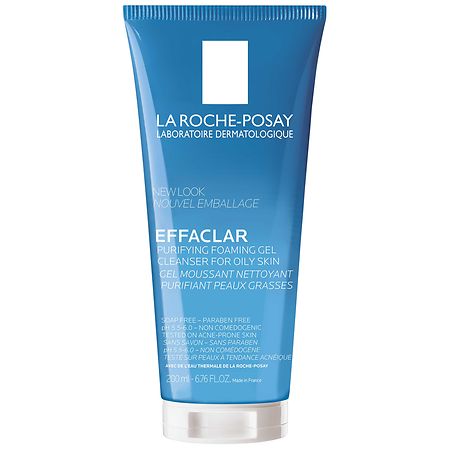

La Roche Posay Effaclar Purifying Foaming Gel Face Cleanser - Unscented - 6.76 fl oz: For Oily, Sensitive Skin, Sulfate-Free, Paraben-Free
Analysis updated August 2026 · How Scout scores
At a glance
Summary
This face cleanser features beneficial ingredients like zinc pidolate, thermal spring water, and glycerin, which are known for their soothing and hydrating properties. The product is free from harsh sulfates and parabens, making it suitable for sensitive skin. Its minimal processing and absence of synthetic fragrances or harmful chemicals contribute to its high rating.
Key ingredients 10
Zinc PidolateGood
Zinc Pidolate is known for its anti-inflammatory and sebum-regulating properties. It is beneficial for oily and acne-prone skin. It helps in reducing skin irritation and controlling oil production.
Risks
There are minimal risks associated with Zinc Pidolate, though overuse may lead to dryness.
Benefits
It helps in reducing acne and controlling excess oil on the skin.
La Roche-Posay Thermal Spring WaterGood
Thermal spring water is rich in minerals and has soothing properties. It is often used to calm irritated skin. It provides hydration and helps in reducing skin sensitivity.
Risks
There are no significant risks associated with thermal spring water.
Benefits
It soothes and hydrates the skin, making it ideal for sensitive skin types.
GlycerinGood
Glycerin is a humectant that attracts moisture to the skin. It helps in keeping the skin hydrated and soft. It is widely used in skincare for its moisturizing properties.
Risks
There are no significant risks associated with glycerin.
Benefits
It provides excellent hydration and helps in maintaining skin moisture balance.
WaterNeutral
Water is a common solvent used in cosmetics to dissolve other ingredients. It helps in forming the base of the product. It does not have any direct benefits or risks.
Risks
There are no known risks associated with water in cosmetic formulations.
Benefits
Water helps in hydrating the skin by providing moisture.
Sodium ChlorideNeutral
Sodium Chloride is used as a thickening agent in cosmetic products. It helps in improving the texture and consistency of the product. It does not have direct skin benefits or risks.
Risks
Excessive use can lead to skin dryness.
Benefits
It helps in maintaining the product's consistency.
Cocamidopropyl BetaineNeutral
Cocamidopropyl Betaine is a mild surfactant derived from coconut oil. It helps in cleansing the skin by removing dirt and oil. It is generally considered safe for use in cosmetics.
Risks
In rare cases, it may cause skin irritation or allergic reactions.
Benefits
It provides gentle cleansing without stripping the skin of its natural oils.
Cocamidopropyl HydroxysultaineNeutral
Cocamidopropyl Hydroxysultaine is a surfactant and foam booster. It enhances the cleansing properties of the product. It is considered safe and non-irritating for most skin types.
Risks
May cause mild irritation in sensitive individuals.
Benefits
It improves the foaming and cleansing ability of the cleanser.
Citric AcidNeutral
Citric Acid is used to adjust the pH of cosmetic products. It can also act as a mild exfoliant. It is generally safe for use in cosmetics.
Risks
May cause irritation in sensitive skin if used in high concentrations.
Benefits
It helps in maintaining the product's pH balance and can gently exfoliate the skin.
Sodium BenzoateBad
Synthetic preservative that can form benzene in the presence of vitamin C.
Risks
High concentrations may cause skin irritation.
Benefits
It helps in preserving the product and preventing spoilage.
Potassium SorbateBad
Synthetic preservative — flagged in daily-use products.
Risks
May cause mild irritation in sensitive individuals.
Benefits
It effectively preserves the product by preventing microbial growth.
Processing
Processed Culinary Ingredients
Get the full breakdown in the Scout appTake Scout shopping
Scan any product to see lab results, healthy alternatives, and your personalized analysis.
Download on theApp Store GET IT ONGoogle PlayAmazon pricing & content
Amazon price as of . Product prices and availability are accurate as of the date/time indicated and are subject to change. Any price and availability information displayed on Amazon.com at the time of purchase will apply to the purchase of this product.
CERTAIN CONTENT THAT APPEARS ON THIS SITE COMES FROM AMAZON. THIS CONTENT IS PROVIDED “AS IS” AND IS SUBJECT TO CHANGE OR REMOVAL AT ANY TIME.