



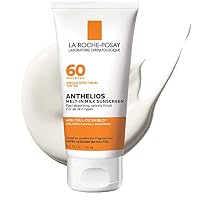

La Roche Posay Toleriane Ultra Fluid 40ml
La Roche-PosayAnalysis updated September 2026 · How Scout scores
At a glance
Summary
This face wash contains beneficial ingredients like glycerin, squalane, and shea butter, which are known for their moisturizing and skin-protecting properties. The product avoids harsh surfactants and harmful chemicals, making it suitable for sensitive skin. However, the presence of synthetic polymers and dimethicone slightly lowers its score, as these ingredients are more processed and less natural.
Key ingredients 16
SqualaneVery Good
Squalane is a highly effective emollient and natural antioxidant. It mimics the skin's natural oils, making it an excellent moisturizer. It is non-comedogenic and suitable for all skin types.
Risks
There are minimal risks associated with squalane, though it may cause irritation in rare cases.
Benefits
Squalane provides deep hydration and helps to improve skin elasticity.
Butyrospermum Parkii ButterVery Good
Butyrospermum Parkii Butter, also known as shea butter, is a natural fat extracted from the nuts of the shea tree. It is rich in vitamins and fatty acids, providing excellent moisturizing and healing properties. It is widely used in skincare for its ability to nourish and protect the skin.
Risks
There is a low risk of allergic reactions, particularly for individuals with nut allergies.
Benefits
Shea butter deeply moisturizes the skin and helps to improve skin elasticity.
GlycerinGood
Glycerin is a humectant that attracts moisture to the skin, helping to keep it hydrated. It is well-tolerated by most skin types and enhances the skin's natural barrier function. It is a common ingredient in skincare for its moisturizing properties.
Risks
There are minimal risks associated with glycerin, though it may cause irritation in very sensitive skin.
Benefits
Glycerin helps to maintain skin hydration and improve skin barrier function.
Aqua/WaterNeutral
Aqua, or water, is a common solvent used in cosmetics to dissolve other ingredients. It is essential for the formulation but does not provide direct skin benefits. It acts as a base for the product.
Risks
There are no significant risks associated with water in cosmetics.
Benefits
Water helps to hydrate the skin by providing moisture.
PropanediolNeutral
Propanediol is a glycol that acts as a solvent and skin-conditioning agent. It helps to improve the texture and spreadability of the product. It is generally considered safe for use in cosmetics.
Risks
Propanediol may cause mild irritation in sensitive individuals.
Benefits
It enhances the absorption of other ingredients and improves product texture.
Butylene GlycolNeutral
Butylene glycol is a common ingredient used to improve the texture and spreadability of skincare products. It acts as a solvent and humectant, helping to retain moisture in the skin. It is generally considered safe for use in cosmetics.
Risks
Butylene glycol may cause irritation in sensitive skin types.
Benefits
It helps to maintain skin hydration and improve product texture.
Pentylene GlycolNeutral
Pentylene glycol is a synthetic humectant and solvent used in cosmetics to improve texture and moisture retention. It is effective in enhancing the absorption of other ingredients. It is generally considered safe for use in skincare products.
Risks
Pentylene glycol may cause mild irritation in sensitive skin.
Benefits
It helps to maintain skin hydration and improve product texture.
PolymethylsilsesquioxaneNeutral
Polymethylsilsesquioxane is a silicone-based ingredient used to improve the texture and spreadability of skincare products. It provides a smooth, silky feel and enhances the product's application. It is generally considered safe for use in cosmetics.
Risks
There are minimal risks associated with this ingredient, though it may cause irritation in sensitive skin.
Benefits
It improves product texture and provides a smooth application.
Polysorbate 20Neutral
Polysorbate 20 is an emulsifier used in cosmetics to help mix oil and water-based ingredients. It stabilizes formulations and improves product consistency. It is generally considered safe for use in skincare products.
Risks
Polysorbate 20 may cause mild irritation in sensitive skin.
Benefits
It helps to stabilize formulations and improve product consistency.
Glyceryl Acrylate/Acrylic Acid CopolymerNeutral
This copolymer is used in cosmetics as a film-forming agent and thickener. It helps to improve the texture and stability of the product. It is generally considered safe for use in skincare formulations.
Risks
There are minimal risks associated with this ingredient, though it may cause irritation in sensitive skin.
Benefits
It enhances product texture and stability.
DimethiconolNeutral
Dimethiconol is a silicone-based polymer used in cosmetics to provide a smooth, silky feel. It forms a protective barrier on the skin, helping to lock in moisture. It is generally considered safe for use in skincare products.
Risks
Dimethiconol may cause breakouts in acne-prone skin due to its occlusive nature.
Benefits
It provides a silky texture and helps to lock in moisture.
Aluminum Starch OctenylsuccinateNeutral
Aluminum starch octenylsuccinate is used in cosmetics as an absorbent and anti-caking agent. It helps to improve the texture and mattify the skin. It is generally considered safe for use in skincare products.
Risks
There are minimal risks associated with this ingredient, though it may cause irritation in sensitive skin.
Benefits
It helps to absorb excess oil and improve product texture.
Ammonium PolyacryldimethyltauramideNeutral
This ingredient is used as a thickening agent and film-former in cosmetics. It helps to improve the texture and stability of the product. It is generally considered safe for use in skincare formulations.
Risks
There are minimal risks associated with this ingredient, though it may cause irritation in sensitive skin.
Benefits
It enhances product texture and stability.
Acetyl Dipeptide-1 Cetyl EsterNeutral
Acetyl Dipeptide-1 Cetyl Ester is a peptide used in cosmetics for its skin-conditioning properties. It helps to improve skin texture and appearance. It is generally considered safe for use in skincare products.
Risks
There are minimal risks associated with this ingredient, though it may cause irritation in sensitive skin.
Benefits
It helps to improve skin texture and appearance.
DimethiconeBad
Occlusive silicone film-former — flagged under clean-beauty doctrine.
Risks
Dimethicone may cause breakouts in acne-prone skin due to its occlusive nature.
Benefits
It provides a silky texture and helps to lock in moisture.
Disodium EDTABad
Processed additive flagged under Scout's ingredient doctrine.
Risks
Disodium EDTA may cause irritation in sensitive skin.
Benefits
It improves product stability and prevents metal ion contamination.
Get the full breakdown in the Scout appTake Scout shopping
Scan any product to see lab results, healthy alternatives, and your personalized analysis.
Download on theApp Store GET IT ONGoogle PlayAmazon pricing & content
Amazon price as of . Product prices and availability are accurate as of the date/time indicated and are subject to change. Any price and availability information displayed on Amazon.com at the time of purchase will apply to the purchase of this product.
CERTAIN CONTENT THAT APPEARS ON THIS SITE COMES FROM AMAZON. THIS CONTENT IS PROVIDED “AS IS” AND IS SUBJECT TO CHANGE OR REMOVAL AT ANY TIME.