
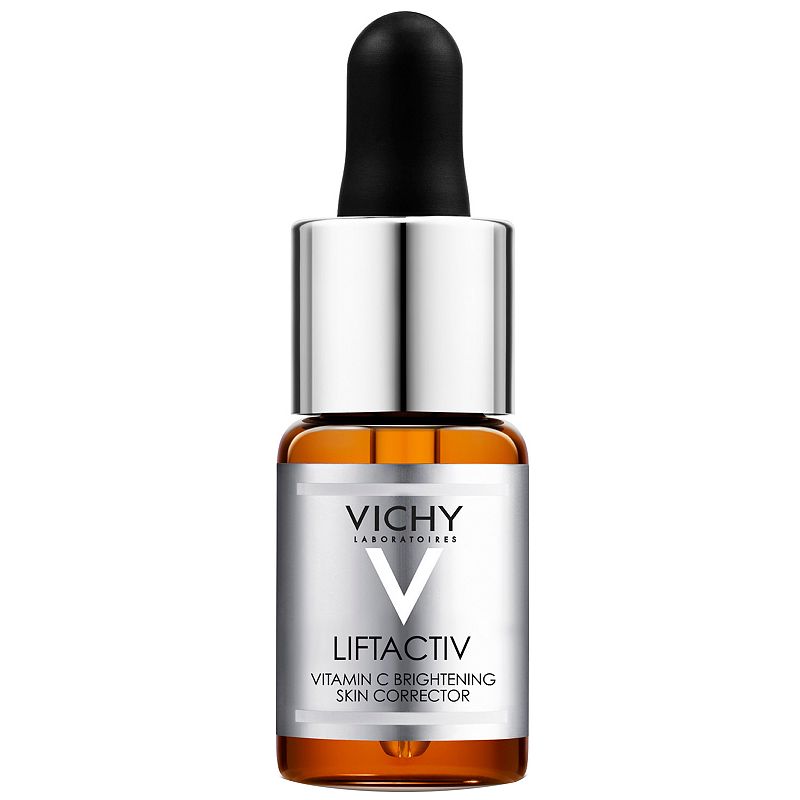
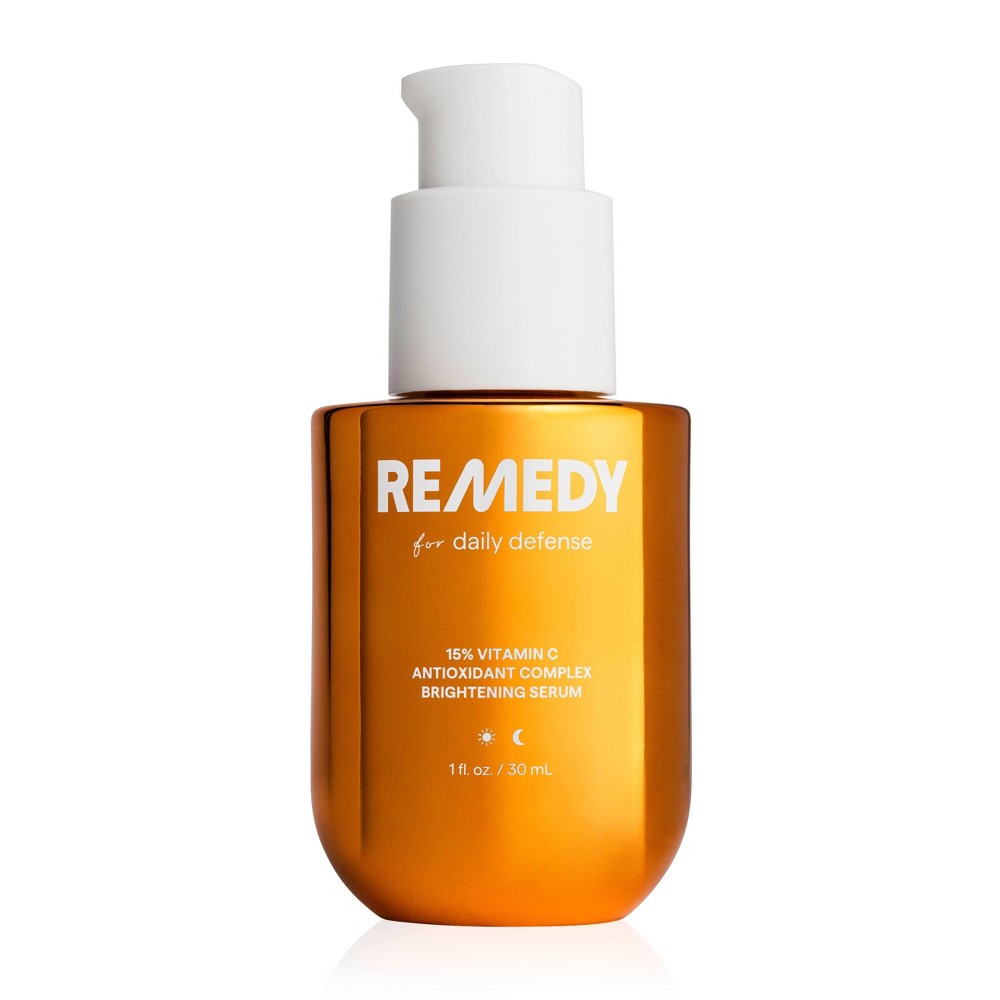
Vichy LiftActiv Vitamin C Serum, Brightening and Anti Aging Serum for Face with 15% Pure Vitamin C, Skin Firming and Antioxidant Facial Serum for Brightness and Moisturizing
Analysis updated August 2026 · How Scout scores
At a glance
Summary
This serum contains beneficial ingredients like Vitamin C, glycerin, and hyaluronic acid, which are known for their antioxidant and hydrating properties. However, the presence of denatured alcohol as a top ingredient can lead to skin dryness and irritation, which affects the overall safety and quality of the product. The formulation includes both natural and synthetic components, resulting in a mixed ingredient profile.
Key ingredients 12
TOCOPHEROLVery Good
Tocopherol, or Vitamin E, is a powerful antioxidant that helps to protect the skin from free radical damage. It also has moisturizing properties.
Risks
There are no significant risks associated with tocopherol in cosmetics.
Benefits
It enhances skin hydration and provides antioxidant protection.
HYDROLYZED HYALURONIC ACIDVery Good
Hydrolyzed hyaluronic acid is a smaller molecule form of hyaluronic acid that penetrates the skin more easily. It provides intense hydration and plumps the skin.
Risks
There are no significant risks associated with hydrolyzed hyaluronic acid.
Benefits
It deeply hydrates the skin and reduces the appearance of fine lines.
ASCORBIC ACIDGood
Ascorbic acid, or Vitamin C, is a potent antioxidant that helps to brighten the skin and reduce signs of aging. It is known for its ability to neutralize free radicals and boost collagen production.
Risks
In high concentrations, it may cause irritation or redness in sensitive skin.
Benefits
It improves skin brightness and firmness, and reduces the appearance of fine lines and wrinkles.
GLYCERINGood
Glycerin is a well-known humectant that attracts moisture to the skin, helping to keep it hydrated. It is non-irritating and suitable for all skin types.
Risks
There are no significant risks associated with glycerin in cosmetics.
Benefits
It helps to maintain skin hydration and improves skin barrier function.
PINUS PINASTER BARK/BUD EXTRACTGood
Pinus pinaster bark extract is known for its antioxidant properties, helping to protect the skin from environmental stressors. It may also have anti-inflammatory effects.
Risks
There are minimal risks, though it may cause irritation in very sensitive skin.
Benefits
It provides antioxidant protection and may soothe irritated skin.
AQUA / WATERNeutral
Water is a common solvent used in cosmetics to dissolve other ingredients. It helps in the application and absorption of the product. It is generally considered safe and non-irritating.
Risks
There are no significant risks associated with water in cosmetics.
Benefits
Water helps in hydrating the skin and acts as a carrier for other beneficial ingredients.
DIPROPYLENE GLYCOLNeutral
Dipropylene glycol is a solvent and humectant that helps to improve the texture and spreadability of cosmetic products. It is generally considered safe for use in cosmetics.
Risks
There are minimal risks associated with its use, though it may cause irritation in very sensitive individuals.
Benefits
It helps to retain moisture in the skin and improves the product's texture.
LAURETH-23Neutral
Laureth-23 is an emulsifier and surfactant used to stabilize formulations. It helps to blend oil and water-based ingredients.
Risks
It may cause mild irritation in sensitive skin types.
Benefits
It improves the texture and consistency of the product.
NEOHESPERIDIN DIHYDROCHALCONENeutral
Neohesperidin dihydrochalcone is a synthetic sweetener and antioxidant. It is used in cosmetics for its potential skin-soothing properties.
Risks
There are minimal risks associated with its use in cosmetics.
Benefits
It may provide antioxidant benefits and help soothe the skin.
SODIUM HYDROXIDENeutral
Sodium hydroxide is used to adjust the pH of cosmetic formulations. It is effective in small amounts but can be irritating in higher concentrations.
Risks
In high concentrations, it can cause skin irritation and damage.
Benefits
It helps to maintain the stability and effectiveness of the product by balancing pH levels.
Code F.I.L. : B199063/1Neutral
This is a formulation code used for internal tracking and does not represent an active ingredient. It has no direct impact on the product's performance.
Risks
There are no risks associated with this code.
Benefits
It helps in identifying the specific formulation batch.
ALCOHOL DENAT.Very Bad
Denatured alcohol is used as a solvent and astringent in cosmetics. It can help other ingredients penetrate the skin but may also cause dryness and irritation.
Risks
It can strip the skin of natural oils, leading to dryness and potential irritation.
Benefits
It helps in quick drying of the product and enhances the penetration of active ingredients.
Get the full breakdown in the Scout appTake Scout shopping
Scan any product to see lab results, healthy alternatives, and your personalized analysis.
Download on theApp Store GET IT ONGoogle Play