


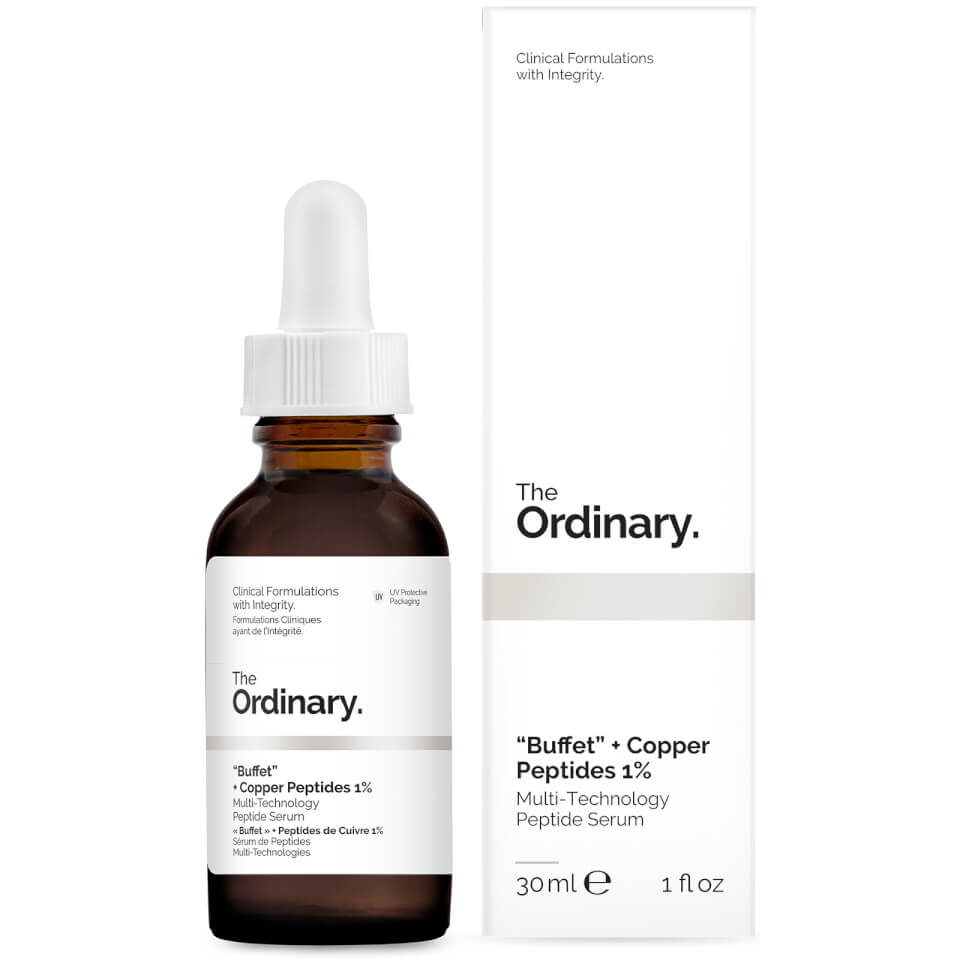

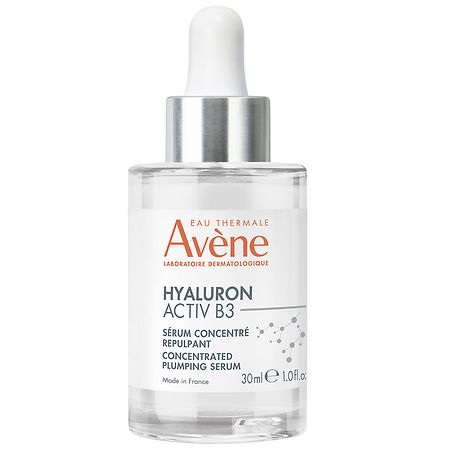
The Ordinary Serum Foundation Full Size 30 ml Pick Shade
Analysis updated August 2026 · How Scout scores
At a glance
Summary
This serum foundation contains a mix of safe and beneficial ingredients like Coconut Alkanes and Tocopherol, which provide skin-conditioning benefits. However, the presence of Phenoxyethanol, a preservative that can cause skin irritation, and several synthetic polymers and silicones contribute to a moderate processing level. These factors, combined with the use of PEG compounds, result in a balanced score reflecting both the positive and negative aspects of the formulation.
Key ingredients 32
Coconut AlkanesGood
Coconut Alkanes are derived from coconut oil and are used as an emollient and solvent. They provide a silky, smooth feel without a greasy residue. They are considered safe and beneficial for skin hydration.
Risks
There are minimal risks associated with its use, primarily related to potential allergies.
Benefits
They provide hydration and a smooth application.
TocopherolGood
Tocopherol, also known as Vitamin E, is an antioxidant that helps protect the skin from free radical damage. It is beneficial for skin health and hydration. It is considered safe and beneficial in cosmetics.
Risks
There are minimal risks, primarily related to potential allergies.
Benefits
It provides antioxidant protection and improves skin health.
Iron Oxides (Ci 77491/Ci 77492/Ci 77499)Good
Beneficial ingredient — whole-food or functional value in this product class.
Risks
There are minimal risks associated with their use.
Benefits
They provide stable, non-reactive color to the product.
MicaGood
Beneficial ingredient — whole-food or functional value in this product class.
Risks
There are concerns about inhalation risks in powder form.
Benefits
It provides a shimmering effect and smooth finish.
CyclopentasiloxaneNeutral
Cyclopentasiloxane is a silicone-based compound used for its smooth application and spreadability. It evaporates quickly, leaving a silky finish on the skin. It is generally considered safe for use in cosmetics.
Risks
There are concerns about its environmental impact, particularly its persistence in the environment.
Benefits
It provides a smooth texture and helps in even application of the product.
WaterNeutral
Water is a common solvent in cosmetics, used to dissolve other ingredients. It helps in the formulation of the product by providing a base. It is generally safe and non-irritating.
Risks
There are no significant risks associated with water in cosmetics.
Benefits
It acts as a solvent and helps in the hydration of the skin.
Caprylyl MethiconeNeutral
Caprylyl Methicone is a silicone that provides a lightweight feel and enhances spreadability. It is used to improve the texture of the product. It is considered safe for use in cosmetics.
Risks
There are minimal risks associated with its use, primarily related to potential environmental concerns.
Benefits
It improves the texture and feel of the product on the skin.
TrimethylsiloxysilicateNeutral
Trimethylsiloxysilicate is a silicone resin used to form a flexible, breathable film on the skin. It helps in long-lasting wear of the product. It is generally considered safe for use in cosmetics.
Risks
There are minimal risks, mainly related to potential environmental persistence.
Benefits
It provides long-lasting wear and a smooth finish.
PEG-9 Polydimethylsiloxyethyl DimethiconeNeutral
This ingredient is a silicone-based polymer used for its conditioning properties and smooth application. It helps in spreading the product evenly. It is generally considered safe for use in cosmetics.
Risks
There are concerns about potential impurities from the ethoxylation process.
Benefits
It enhances the texture and spreadability of the product.
Coco-Caprylate/CaprateNeutral
Coco-Caprylate/Caprate is an emollient derived from coconut oil, used to provide a light, non-greasy feel. It helps in moisturizing the skin. It is considered safe and non-irritating.
Risks
There are minimal risks, primarily related to potential allergies.
Benefits
It provides a smooth, moisturizing effect on the skin.
Cetyl Diglyceryl Tris(Trimethylsiloxy)Silylethyl DimethiconeNeutral
This is a silicone-based compound used for its emollient and conditioning properties. It helps in providing a smooth, silky feel. It is considered safe for use in cosmetics.
Risks
There are minimal risks associated with its use.
Benefits
It provides a smooth, silky texture to the product.
Dipropylene GlycolNeutral
Dipropylene Glycol is a solvent and humectant used to improve texture and moisture retention. It helps in spreading the product evenly. It is generally considered safe for use in cosmetics.
Risks
There are minimal risks, primarily related to potential skin irritation in sensitive individuals.
Benefits
It helps in moisture retention and improves texture.
Polyglyceryl-3 DiisostearateNeutral
This ingredient is an emulsifier used to stabilize formulations and improve texture. It helps in blending oil and water components. It is generally considered safe for use in cosmetics.
Risks
There are minimal risks associated with its use.
Benefits
It stabilizes formulations and improves texture.
Polyglyceryl-3 PolyricinoleateNeutral
This is an emulsifier used to stabilize formulations and improve texture. It helps in blending oil and water components. It is considered safe for use in cosmetics.
Risks
There are minimal risks associated with its use.
Benefits
It stabilizes formulations and improves texture.
Polyglyceryl-4 IsostearateNeutral
This ingredient is an emulsifier used to stabilize formulations and improve texture. It helps in blending oil and water components. It is generally considered safe for use in cosmetics.
Risks
There are minimal risks associated with its use.
Benefits
It stabilizes formulations and improves texture.
Disteardimonium HectoriteNeutral
Disteardimonium Hectorite is a thickening agent used to improve the consistency of products. It helps in stabilizing emulsions. It is considered safe for use in cosmetics.
Risks
There are minimal risks associated with its use.
Benefits
It improves consistency and stabilizes formulations.
HectoriteNeutral
Hectorite is a clay mineral used as a thickening agent and stabilizer in cosmetics. It helps in improving the texture and consistency of products. It is generally considered safe for use in cosmetics.
Risks
There are minimal risks associated with its use.
Benefits
It improves texture and stabilizes formulations.
Sodium ChlorideNeutral
Sodium Chloride, or table salt, is used as a thickening agent and stabilizer in cosmetics. It helps in improving the texture and consistency of products. It is generally considered safe for use in cosmetics.
Risks
There are minimal risks, primarily related to potential skin irritation in high concentrations.
Benefits
It improves texture and stabilizes formulations.
Hexyl LaurateNeutral
Hexyl Laurate is an ester used as an emollient and thickening agent in cosmetics. It helps in providing a smooth, silky feel. It is considered safe for use in cosmetics.
Risks
There are minimal risks associated with its use.
Benefits
It provides a smooth, silky texture to the product.
PEG-10 DimethiconeNeutral
PEG-10 Dimethicone is a silicone-based polymer used for its conditioning properties and smooth application. It helps in spreading the product evenly. It is generally considered safe for use in cosmetics.
Risks
There are concerns about potential impurities from the ethoxylation process.
Benefits
It enhances the texture and spreadability of the product.
Stearic AcidNeutral
Stearic Acid is a fatty acid used as an emulsifier and thickening agent in cosmetics. It helps in stabilizing formulations and improving texture. It is generally considered safe for use in cosmetics.
Risks
There are minimal risks associated with its use.
Benefits
It stabilizes formulations and improves texture.
Methyl Methacrylate CrosspolymerNeutral
This ingredient is a polymer used for its film-forming and texturizing properties. It helps in providing a smooth, matte finish. It is generally considered safe for use in cosmetics.
Risks
There are minimal risks associated with its use.
Benefits
It provides a smooth, matte finish to the product.
AluminaNeutral
Alumina is used as an abrasive and thickening agent in cosmetics. It helps in improving the texture and consistency of products. It is generally considered safe for use in cosmetics.
Risks
There are minimal risks associated with its use.
Benefits
It improves texture and consistency.
Trisodium Ethylenediamine DisuccinateNeutral
This ingredient is a chelating agent used to improve the stability and efficacy of formulations. It helps in preventing the degradation of active ingredients. It is generally considered safe for use in cosmetics.
Risks
There are minimal risks associated with its use.
Benefits
It improves stability and efficacy of formulations.
ChlorphenesinNeutral
Chlorphenesin is a preservative used to prevent microbial growth in cosmetics. It helps in maintaining the product's integrity. It is generally considered safe for use in cosmetics.
Risks
There are minimal risks, primarily related to potential skin irritation.
Benefits
It helps in preserving the product and preventing microbial growth.
Titanium Dioxide (Ci 77891)Neutral
Titanium Dioxide is a mineral used as a pigment and UV filter in cosmetics. It provides opacity and sun protection. It is generally considered safe for use in cosmetics.
Risks
There are concerns about inhalation risks in powder form.
Benefits
It provides sun protection and opacity to the product.
Tin OxideNeutral
Tin Oxide is used as an opacifying agent and pigment in cosmetics. It helps in providing a pearlescent effect. It is generally considered safe for use in cosmetics.
Risks
There are minimal risks associated with its use.
Benefits
It provides a pearlescent effect and opacity to the product.
Aluminum HydroxideNeutral
Aluminum Hydroxide is used as an opacifying agent and stabilizer in cosmetics. It helps in improving the texture and consistency of products. It is generally considered safe for use in cosmetics.
Risks
There are minimal risks associated with its use.
Benefits
It improves texture and consistency.
Bismuth Oxychloride (Ci 77163)Neutral
Bismuth Oxychloride is used as a pigment and opacifying agent in cosmetics. It provides a pearlescent effect and smooth finish. It is generally considered safe for use in cosmetics.
Risks
There are minimal risks, primarily related to potential skin irritation.
Benefits
It provides a pearlescent effect and smooth finish.
Dimethicone/PEG-10/15 CrosspolymerBad
Processed additive flagged under Scout's ingredient doctrine.
Risks
There are concerns about potential impurities from the ethoxylation process.
Benefits
It enhances the texture and longevity of the product.
Dimethicone/Vinyl Dimethicone CrosspolymerBad
Processed additive flagged under Scout's ingredient doctrine.
Risks
There are minimal risks associated with its use.
Benefits
It enhances the texture and longevity of the product.
PhenoxyethanolBad
Phenoxyethanol is a preservative used to prevent microbial growth in cosmetics. It is effective but can cause skin irritation in some individuals. It is considered safe in low concentrations but has potential risks.
Risks
It can cause skin irritation and allergic reactions in sensitive individuals.
Benefits
It effectively preserves the product by preventing microbial growth.
Processing
Processed Foods
Get the full breakdown in the Scout appTake Scout shopping
Scan any product to see lab results, healthy alternatives, and your personalized analysis.
Download on theApp Store GET IT ONGoogle Play