
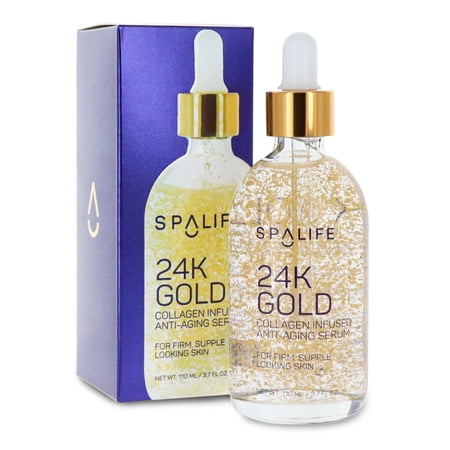
SpaLife Nourishing Anti-Aging 24k Gold & Collagen Serum 3.7 oz.
Analysis updated August 2026 · How Scout scores
At a glance
Summary
This serum contains beneficial ingredients like glycerin, panthenol, collagen, and sodium hyaluronate, which are known for their hydrating and skin-conditioning properties. However, the presence of triethanolamine, which can cause skin irritation and is associated with potential carcinogenic risks, negatively impacts the overall safety profile. Additionally, the inclusion of PEG-40 hydrogenated castor oil and acrylates contributes to a moderate level of processing, which further influences the score.
Key ingredients 11
PanthenolVery Good
Panthenol is a form of Vitamin B5 that acts as a moisturizer and skin conditioning agent. It helps in improving skin hydration and elasticity. It is well-tolerated and beneficial for most skin types.
Risks
There are minimal risks associated with panthenol, though it may cause irritation in very sensitive skin.
Benefits
Panthenol enhances skin hydration, improves elasticity, and soothes irritated skin.
GlycerinGood
Glycerin is a humectant that attracts moisture to the skin, helping to keep it hydrated. It is well-tolerated by most skin types and enhances the skin's natural barrier function.
Risks
There are minimal risks associated with glycerin, though it may cause irritation in very sensitive skin.
Benefits
Glycerin helps maintain skin hydration and improves skin barrier function.
CollagenGood
Collagen is a protein that helps in maintaining skin elasticity and firmness. It is used in cosmetics to improve skin texture and reduce the appearance of fine lines. It is generally well-tolerated and beneficial for aging skin.
Risks
There are minimal risks associated with collagen, though it may not penetrate deeply into the skin.
Benefits
Collagen helps improve skin elasticity and reduces the appearance of fine lines.
Sodium HyaluronateGood
Sodium hyaluronate is a form of hyaluronic acid that acts as a powerful humectant. It helps in retaining moisture and plumping the skin. It is highly effective in improving skin hydration and reducing the appearance of fine lines.
Risks
There are minimal risks associated with sodium hyaluronate, though it may cause irritation in very sensitive skin.
Benefits
Sodium hyaluronate provides intense hydration and helps plump the skin, reducing fine lines.
WaterNeutral
Water is a common solvent used in cosmetic formulations. It helps dissolve other ingredients and provides a base for the serum. It is generally considered safe and non-irritating.
Risks
There are no significant risks associated with water in cosmetics.
Benefits
Water helps in hydrating the skin and acts as a carrier for other beneficial ingredients.
Gold (CI 77480)Neutral
Gold is used in cosmetics for its luxurious appeal and potential anti-inflammatory properties. It is believed to improve skin radiance and reduce inflammation. However, scientific evidence supporting these claims is limited.
Risks
Gold can cause allergic reactions in some individuals, particularly those with metal sensitivities.
Benefits
Gold may enhance skin radiance and provide anti-inflammatory benefits.
Caprylhydroxamic AcidNeutral
Caprylhydroxamic acid is used as a preservative in cosmetics. It helps in preventing microbial growth and extending the shelf life of the product. It is generally considered safe and effective as a preservative.
Risks
There are minimal risks, though it may cause irritation in very sensitive skin.
Benefits
It effectively preserves the product by preventing microbial growth.
PEG-40 Hydrogenated Castor OilNeutral
PEG-40 hydrogenated castor oil is used as an emulsifier and surfactant in cosmetics. It helps in mixing oil and water-based ingredients and improves product texture. It is generally considered safe, though concerns exist about potential impurities.
Risks
There is a risk of contamination with impurities such as 1,4-dioxane.
Benefits
It helps in creating a stable and smooth product texture.
Propylene GlycolBad
Processed additive flagged under Scout's ingredient doctrine.
Risks
In high concentrations, it can cause skin irritation or allergic reactions in sensitive individuals.
Benefits
Propylene glycol helps in maintaining skin hydration and enhances the absorption of other ingredients.
Acrylates/C10-30 Alkyl Acrylate CrosspolymerBad
Processed additive flagged under Scout's ingredient doctrine.
Risks
There are minimal risks, though it may cause irritation in very sensitive skin.
Benefits
It provides a desirable texture and stability to the product.
TriethanolamineBad
Triethanolamine is used as a pH balancer in cosmetics. It can cause skin irritation and allergic reactions in some individuals. It is also associated with the formation of nitrosamines, which are potential carcinogens.
Risks
Triethanolamine can cause skin irritation and may contribute to the formation of harmful nitrosamines.
Benefits
It helps in stabilizing the pH of cosmetic formulations.
Processing
Processed Foods
Get the full breakdown in the Scout appTake Scout shopping
Scan any product to see lab results, healthy alternatives, and your personalized analysis.
Download on theApp Store GET IT ONGoogle PlayAmazon pricing & content
Amazon price as of . Product prices and availability are accurate as of the date/time indicated and are subject to change. Any price and availability information displayed on Amazon.com at the time of purchase will apply to the purchase of this product.
CERTAIN CONTENT THAT APPEARS ON THIS SITE COMES FROM AMAZON. THIS CONTENT IS PROVIDED “AS IS” AND IS SUBJECT TO CHANGE OR REMOVAL AT ANY TIME.