
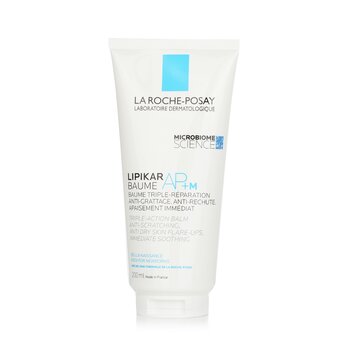
La Roche PosayLipikar Baume AP+M Triple-Action Balm - Anti-Scratching, Anti Dry Skin Flare-Ups, Immediate Soothing 200ml/6.76oz

60 Fair
View on Amazon

Summary

This body balm contains beneficial ingredients like shea butter and niacinamide, which are known for their moisturizing and soothing properties. However, the presence of synthetic components such as PEG compounds and dimethicone, along with a processed formulation, lowers its overall score. The inclusion of ammonium polyacryloyldimethyl taurate, a synthetic thickener, also contributes to a moderate processing level, impacting the rating.

At a glance

Beneficial ingredients 0
Harmful ingredients 0
Category Body Lotion

Key ingredients 7

Butyrospermum Parkii Butter

Shea butter is a natural fat extracted from the nuts of the shea tree. It is widely used for its moisturizing properties and ability to soothe dry skin. It is rich in vitamins and fatty acids, making it a great emollient.

Risks

There are minimal risks associated with shea butter, though some individuals may experience allergic reactions.

Benefits

Shea butter is highly beneficial for skin hydration and improving skin barrier function.

See more about Butyrospermum Parkii Butter →
Glycerin

Glycerin is a humectant that attracts moisture to the skin, helping to keep it hydrated. It is a common ingredient in skincare products due to its ability to improve skin smoothness and moisture levels. It is derived from natural sources and is considered safe for most skin types.

Risks

Glycerin is generally safe, but in rare cases, it can cause irritation if used in high concentrations.

Benefits

Glycerin helps maintain skin hydration and can improve the skin's resilience and smoothness.

See more about Glycerin →
Niacinamide

Niacinamide, also known as Vitamin B3, is a versatile skincare ingredient known for its anti-inflammatory and skin-soothing properties. It helps improve skin texture, reduce redness, and enhance the skin barrier. It is suitable for all skin types and is often used to address various skin concerns.

Risks

Niacinamide is generally well-tolerated, but some individuals may experience mild irritation or redness.

Benefits

Niacinamide offers multiple benefits, including reducing inflammation, improving skin texture, and strengthening the skin barrier.

See more about Niacinamide →
Brassica Campestris Seed Oil

Brassica Campestris Seed Oil, also known as rapeseed oil, is a plant-derived oil rich in omega-3 and omega-6 fatty acids. It is used in skincare for its emollient properties and ability to nourish and soften the skin. It is a natural and sustainable ingredient.

Risks

There are minimal risks associated with this oil, though it may cause allergic reactions in sensitive individuals.

Benefits

This oil provides essential fatty acids that help nourish and moisturize the skin, improving its overall health.

Tocopherol

Tocopherol, commonly known as Vitamin E, is a powerful antioxidant that helps protect the skin from environmental damage. It is widely used in skincare for its ability to moisturize and improve skin elasticity. It is a natural ingredient that supports skin health.

Risks

Tocopherol is generally safe, but high concentrations may cause skin irritation in some individuals.

Benefits

Vitamin E provides antioxidant protection and helps maintain skin moisture and elasticity.

See more about Tocopherol →
Dimethicone

Dimethicone is a type of silicone used in skincare products for its smoothing and protective properties. It forms a barrier on the skin that helps retain moisture and improve texture. It is commonly used in formulations to enhance the feel and application of products.

Risks

Dimethicone is generally considered safe, but it can cause build-up on the skin and may not be suitable for those with silicone sensitivities.

Benefits

Dimethicone provides a smooth application and helps lock in moisture, improving skin texture.

See more about Dimethicone →
Disodium EDTA

Disodium EDTA is a chelating agent used to improve the stability and efficacy of cosmetic formulations. It binds to metal ions, preventing them from affecting the product's performance. It is widely used in small concentrations and is considered safe for use in cosmetics.

Risks

Disodium EDTA is generally safe, but it can cause irritation in sensitive individuals and is not biodegradable.

Benefits

It enhances product stability and efficacy by preventing metal ion interference.

See more about Disodium EDTA →

Processing

Group 3 · Processed

Processed Foods

Get the full breakdown in the Scout app

Scan any product to see lab results, healthy alternatives, and your personalized analysis.

Download on theApp Store