


At a glance
Summary
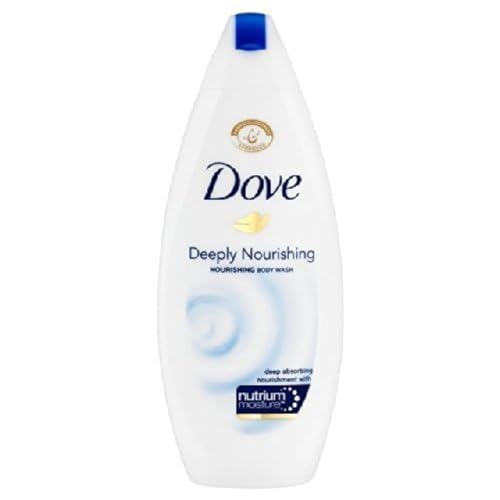
This product contains several synthetic ingredients and potential allergens, such as fragrance compounds and chelating agents, which can cause skin irritation. While it is a processed product, it lacks harmful nutritional components, but the presence of multiple synthetic additives limits its score. The brand's overall reputation for using ultra-processed ingredients in other products also influences the rating.
Key ingredients 18
Sodium Lauroyl IsethionateNeutral
Sodium Lauroyl Isethionate is a surfactant used for its cleansing properties. It is synthetically derived and contributes to the product's foaming ability. It is generally considered safe for topical use but offers no nutritional benefits.
See more about Sodium Lauroyl Isethionate →Stearic AcidNeutral
Stearic Acid is a fatty acid used as an emulsifier and thickener. It is naturally occurring in animal and plant fats but is often processed for cosmetic use. It helps stabilize formulations but does not provide nutritional benefits.
See more about Stearic Acid →Lauric AcidNeutral
Lauric Acid is a saturated fatty acid used for its antimicrobial properties. It is derived from coconut oil or palm kernel oil and is used in soap making. While beneficial for skin cleansing, it offers no nutritional benefits.
Sodium OleateNeutral
Sodium Oleate is a fatty acid salt used as a surfactant and emulsifier. It is derived from oleic acid, which is found in various animal and vegetable fats. It helps in cleansing but does not provide nutritional benefits.
See more about Sodium Oleate →WaterNeutral
Water is used as a solvent and carrier for other ingredients. It is essential for dissolving and mixing components in the formulation. While crucial for the product's consistency, it offers no nutritional benefits in this context.
See more about Water →Sodium IsethionateNeutral
Sodium Isethionate is a surfactant used for its mild cleansing properties. It is synthetically produced and helps create a creamy lather. It is safe for topical use but does not provide nutritional benefits.
Sodium StearateNeutral
Sodium Stearate is a salt of stearic acid used as a surfactant and emulsifier. It is commonly used in soap making for its ability to create a solid structure. It is safe for topical use but offers no nutritional benefits.
See more about Sodium Stearate →Cocamidopropyl BetaineNeutral
Cocamidopropyl Betaine is a surfactant derived from coconut oil. It is used to enhance foam and improve the texture of the product. While it is generally safe, it does not provide nutritional benefits.
Risks
May cause skin irritation in sensitive individuals.
Sodium LaurateNeutral
Sodium Laurate is a surfactant used for its cleansing properties. It is derived from lauric acid and helps in forming soap. It is safe for topical use but does not provide nutritional benefits.
Sodium ChlorideNeutral
Sodium Chloride is used as a thickening agent and to adjust the viscosity of the product. It is commonly known as table salt and is safe for topical use. It does not provide nutritional benefits in this context.
See more about Sodium Chloride →Titanium DioxideNeutral
Titanium Dioxide is used as a whitening agent and to improve opacity. It is a naturally occurring mineral that is processed for cosmetic use. It is considered safe for topical use but offers no nutritional benefits.
See more about Titanium Dioxide →Tetrasodium EtidronateBad
Tetrasodium Etidronate is a chelating agent used to prevent metal ion impurities from affecting the product. It is synthetically produced and can be a skin irritant. It is not beneficial nutritionally.
Risks
Potential skin irritant and may cause allergic reactions.
Tetrasodium EDTABad
Tetrasodium EDTA is a chelating agent used to improve stability and shelf life. It is synthetically derived and can cause skin irritation. It offers no nutritional benefits.
Risks
Potential skin irritant and may cause allergic reactions.
Alpha-Isomethyl IononeBad
Alpha-Isomethyl Ionone is a fragrance ingredient used to impart a floral scent. It is synthetically produced and can be an allergen. It offers no nutritional benefits.
Risks
Potential allergen and may cause skin irritation.
CitronellolBad
Citronellol is a fragrance compound used for its floral scent. It is naturally found in essential oils but can cause allergic reactions. It does not provide nutritional benefits.
Risks
Potential allergen and may cause skin irritation.
Hexyl CinnamalBad
Hexyl Cinnamal is a fragrance ingredient used for its jasmine-like scent. It is synthetically produced and can be an allergen. It offers no nutritional benefits.
Risks
Potential allergen and may cause skin irritation.
LinaloolBad
Linalool is a fragrance compound used for its floral scent. It is naturally found in many essential oils but can cause allergic reactions. It does not provide nutritional benefits.
Risks
Potential allergen and may cause skin irritation.
FragranceVery Bad
Fragrance is added to provide a pleasant scent to the product. It is often a mixture of various chemicals, some of which can be allergens. The exact composition is usually proprietary, making it difficult to assess safety fully.
Risks
Potential allergen and irritant for sensitive individuals.
Processing
Processed Foods
Get the full breakdown in the Scout appTake Scout shopping
Scan any product to see lab results, healthy alternatives, and your personalized analysis.
Download on theApp Store GET IT ONGoogle PlayAmazon pricing & content
Amazon price as of . Product prices and availability are accurate as of the date/time indicated and are subject to change. Any price and availability information displayed on Amazon.com at the time of purchase will apply to the purchase of this product.
CERTAIN CONTENT THAT APPEARS ON THIS SITE COMES FROM AMAZON. THIS CONTENT IS PROVIDED “AS IS” AND IS SUBJECT TO CHANGE OR REMOVAL AT ANY TIME.