
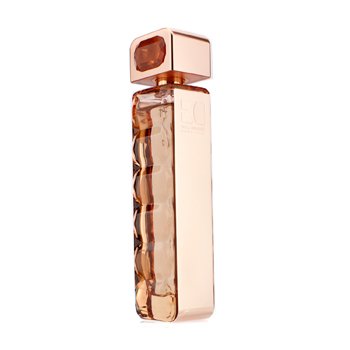
Cacharel Women's Amor Amor Eau De Toilette, 3.4 Oz
Summary
This fragrance product contains a variety of natural ingredients such as pink grapefruit, jasmine, and sandalwood, which are generally considered safe. However, as a perfume, it is likely to contain synthetic fragrance compounds that can be potential irritants or allergens. The product's processing level indicates it is highly processed, which limits its score despite the presence of natural components.
At a glance
Key ingredients 19
Pink grapefruit
Pink grapefruit is often used for its fresh and citrusy scent. It is a natural ingredient that can provide a refreshing aroma. In cosmetics, it is primarily used for fragrance purposes.
Risks
There are minimal risks associated with pink grapefruit in cosmetics, though some individuals may experience skin sensitivity.
Benefits
It provides a natural and invigorating scent that can enhance the overall fragrance profile of a product.
Mandarin
Mandarin is used in cosmetics for its sweet and citrusy fragrance. It is derived from the peel of the fruit and is considered a natural ingredient. Its primary role is to contribute to the scent of the product.
Risks
Mandarin oil can cause photosensitivity, leading to skin irritation when exposed to sunlight.
Benefits
It offers a pleasant and uplifting aroma, which can improve the sensory experience of the product.
Blood orange
Blood orange is included in cosmetics for its distinctive and rich citrus scent. It is a natural ingredient that adds depth to the fragrance profile. Its use is primarily for aromatic purposes.
Risks
Blood orange oil may cause skin irritation or photosensitivity in some individuals.
Benefits
It provides a unique and vibrant scent that can enhance the appeal of the fragrance.
Bergamot
Bergamot is a citrus fruit used in cosmetics for its fresh and floral scent. It is a natural ingredient that is often used in perfumery. Its primary function is to add a refreshing aroma to the product.
Risks
Bergamot oil can cause photosensitivity, increasing the risk of sunburn when applied to the skin.
Benefits
It offers a bright and uplifting fragrance that can enhance the overall scent profile.
Blackcurrant
Blackcurrant is used in cosmetics for its fruity and slightly tart scent. It is a natural ingredient that contributes to the fragrance of the product. Its use is primarily aromatic.
Risks
There are minimal risks associated with blackcurrant in cosmetics, though it may cause mild skin irritation in sensitive individuals.
Benefits
It provides a unique and pleasant aroma that can enhance the fragrance complexity.
Malati Flower
Malati flower is used in cosmetics for its sweet and floral fragrance. It is a natural ingredient that adds a delicate scent to the product. Its primary role is to enhance the fragrance profile.
Risks
There are minimal risks associated with Malati flower, though some individuals may experience allergic reactions.
Benefits
It offers a gentle and soothing aroma that can improve the sensory experience.
Lily-of-the-Valley
Lily-of-the-Valley is used in cosmetics for its fresh and floral scent. It is a natural ingredient that contributes to the fragrance of the product. Its use is primarily for aromatic purposes.
Risks
Lily-of-the-Valley can cause skin irritation or allergic reactions in sensitive individuals.
Benefits
It provides a classic and elegant fragrance that can enhance the overall scent profile.
Jasmine
Jasmine is included in cosmetics for its rich and floral fragrance. It is a natural ingredient that is highly valued in perfumery. Its primary function is to add a luxurious aroma to the product.
Risks
Jasmine oil can cause skin irritation or allergic reactions in some individuals.
Benefits
It offers a sensual and exotic scent that can enhance the fragrance appeal.
Rose
Rose is used in cosmetics for its classic and floral scent. It is a natural ingredient that is widely used in perfumery. Its primary role is to contribute to the fragrance of the product.
Risks
Rose oil can cause skin irritation or allergic reactions in sensitive individuals.
Benefits
It provides a timeless and romantic aroma that can enhance the overall fragrance profile.
Apricot
Apricot is used in cosmetics for its sweet and fruity scent. It is a natural ingredient that adds a pleasant aroma to the product. Its use is primarily for fragrance purposes.
Risks
There are minimal risks associated with apricot in cosmetics, though it may cause mild skin irritation in sensitive individuals.
Benefits
It offers a delightful and refreshing scent that can enhance the fragrance complexity.
Vanilla
Vanilla is included in cosmetics for its warm and sweet fragrance. It is a natural ingredient that is commonly used in perfumery. Its primary function is to add a comforting aroma to the product.
Risks
Vanilla can cause skin irritation or allergic reactions in some individuals.
Benefits
It provides a soothing and familiar scent that can enhance the fragrance appeal.
Tonka Bean
Tonka bean is used in cosmetics for its sweet and spicy fragrance. It is a natural ingredient that adds depth to the scent profile. Its use is primarily aromatic.
Risks
Tonka bean contains coumarin, which can cause skin irritation or allergic reactions in sensitive individuals.
Benefits
It offers a rich and complex aroma that can enhance the overall fragrance profile.
Musk
Musk is used in cosmetics for its warm and animalistic scent. It is a synthetic or natural ingredient that is often used in perfumery. Its primary role is to add a sensual aroma to the product.
Risks
Synthetic musks can accumulate in the environment and may cause skin irritation or allergic reactions.
Benefits
It provides a deep and long-lasting scent that can enhance the fragrance appeal.
Amber
Amber is included in cosmetics for its warm and resinous fragrance. It is a natural or synthetic ingredient that is commonly used in perfumery. Its primary function is to add a rich aroma to the product.
Risks
There are minimal risks associated with amber in cosmetics, though synthetic versions may cause skin irritation.
Benefits
It offers a luxurious and comforting scent that can enhance the fragrance complexity.
Virginia Cedar
Virginia cedar is used in cosmetics for its woody and earthy scent. It is a natural ingredient that adds a grounding aroma to the product. Its use is primarily for fragrance purposes.
Risks
Virginia cedar can cause skin irritation or allergic reactions in sensitive individuals.
Benefits
It provides a natural and calming scent that can enhance the overall fragrance profile.
Sandalwood
Sandalwood is included in cosmetics for its warm and woody fragrance. It is a natural ingredient that is highly valued in perfumery. Its primary function is to add a soothing aroma to the product.
Risks
Sandalwood can cause skin irritation or allergic reactions in some individuals.
Benefits
It offers a rich and calming scent that can enhance the fragrance appeal.
Cedarwood
Cedarwood is used in cosmetics for its woody and balsamic scent. It is a natural ingredient that contributes to the fragrance of the product. Its use is primarily aromatic.
Risks
Cedarwood can cause skin irritation or allergic reactions in sensitive individuals.
Benefits
It provides a natural and grounding aroma that can enhance the overall fragrance profile.
Ambergris
Ambergris is used in cosmetics for its sweet and marine scent. It is a natural or synthetic ingredient that is often used in high-end perfumery. Its primary role is to add a unique aroma to the product.
Risks
Natural ambergris is rare and expensive, and synthetic versions may cause skin irritation.
Benefits
It offers a distinctive and luxurious scent that can enhance the fragrance complexity.
Cassia
Cassia is included in cosmetics for its spicy and warm fragrance. It is a natural ingredient that adds a distinctive aroma to the product. Its primary function is to contribute to the scent profile.
Risks
Cassia oil can cause skin irritation or allergic reactions in sensitive individuals.
Benefits
It provides a warm and spicy scent that can enhance the fragrance appeal.
Processing
Ultra-Processed Foods
Get the full breakdown in the Scout app
Scan any product to see lab results, healthy alternatives, and your personalized analysis.
Download on theApp Store