


At a glance
Summary
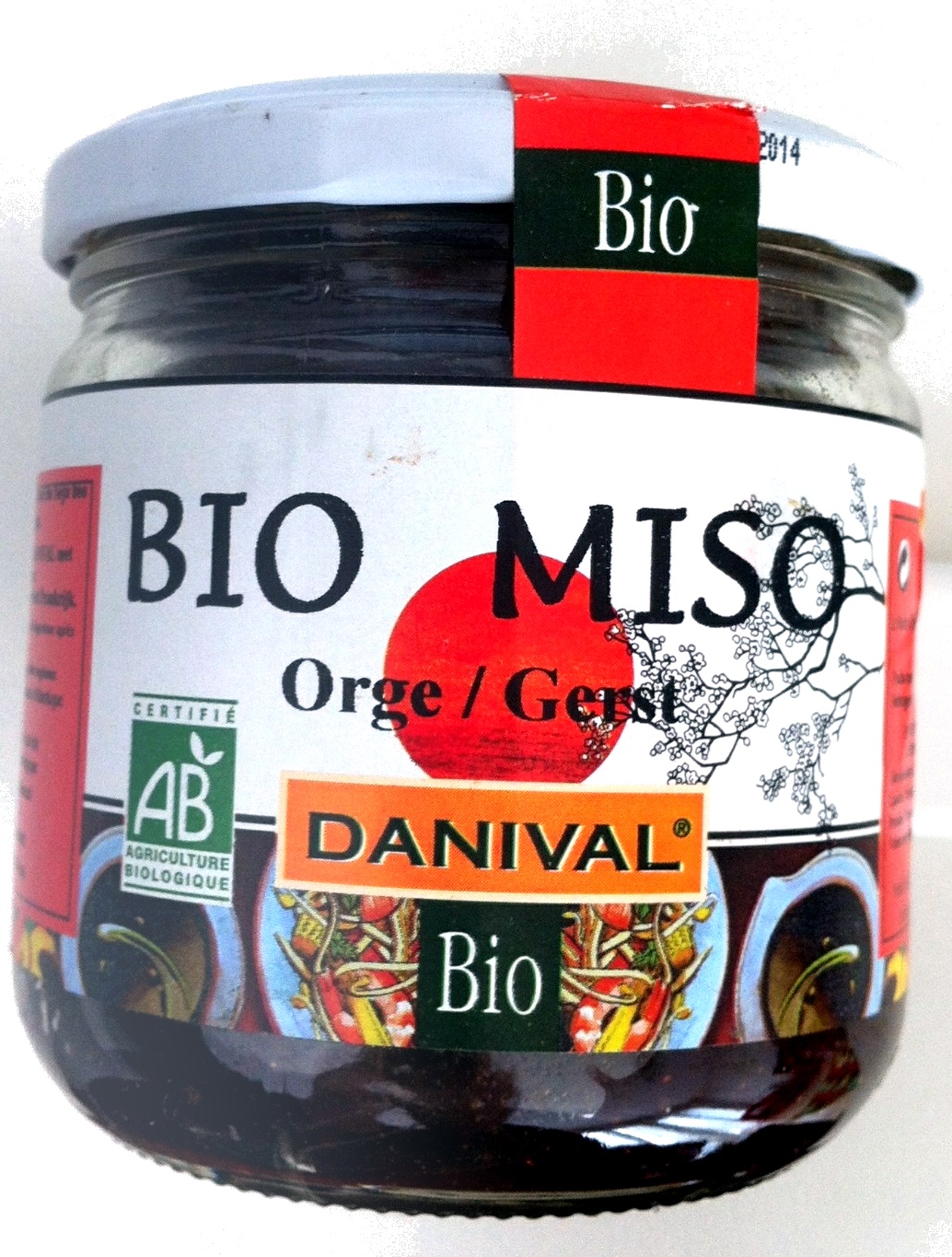
This product is minimally processed and contains high-quality ingredients such as unrefined Atlantic sea salt and beneficial ferments. The use of whole soybeans and pearled barley contributes to its nutritional value, providing protein and fiber. The fermentation process enhances nutrient bioavailability and adds probiotics, supporting gut health.
Key ingredients 5
Unrefined Atlantic Sea SaltGood
Unrefined Atlantic sea salt is a natural source of sodium and trace minerals, minimally processed to retain its natural composition. It provides essential electrolytes necessary for various bodily functions. Unlike refined salt, it contains additional minerals that can be beneficial to health.
Risks
Excessive consumption of salt can lead to high blood pressure and related health issues.
Benefits
Provides essential electrolytes and trace minerals that support hydration and overall health.
FermentsGood
Ferments are beneficial microorganisms used in the production of miso, aiding in the fermentation process. They enhance the nutritional profile by increasing bioavailability of nutrients and adding probiotics. Fermentation can improve gut health and digestion.
Benefits
Contributes probiotics that support gut health and enhance nutrient absorption.
SoyNeutral
Soy is a common ingredient in fermented foods like miso, providing a source of plant-based protein. It is minimally processed in this context, retaining its natural nutrients. However, some individuals may have allergies or sensitivities to soy.
Risks
Soy can be an allergen for some people and may interfere with thyroid function in susceptible individuals.
Benefits
Soy is a good source of protein and contains isoflavones, which may have health benefits such as supporting heart health.
Pearled BarleyNeutral
Pearled barley is a whole grain that has been polished to remove its outer husk, making it easier to cook and digest. It is a source of dietary fiber and essential nutrients. The processing removes some of the bran, reducing its fiber content compared to whole barley.
Benefits
Pearled barley provides dietary fiber, which supports digestive health and may help regulate blood sugar levels.
WaterNeutral
Water is a fundamental ingredient used in the fermentation process of miso. It acts as a solvent and medium for fermentation, contributing to the texture and consistency of the product. It is a neutral ingredient with no direct nutritional impact.
Benefits
Essential for the fermentation process and contributes to the product's texture.
Processing
Unprocessed or Minimally Processed Foods
Get the full breakdown in the Scout appTake Scout shopping
Scan any product to see lab results, healthy alternatives, and your personalized analysis.
Download on theApp Store GET IT ONGoogle Play