


At a glance
Summary
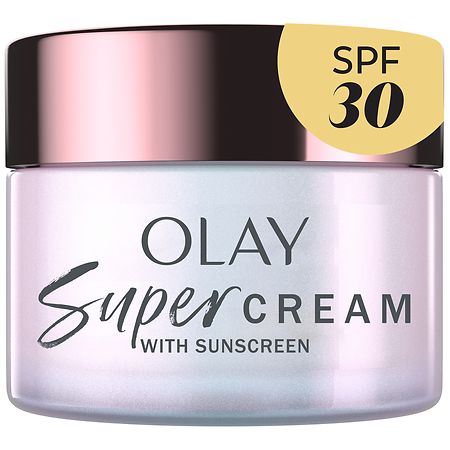
This moisturizer contains several beneficial ingredients such as glycerin, oat extracts, and shea butter, which provide hydration and soothing properties. However, the presence of petrolatum, a petroleum-derived ingredient, raises concerns due to potential impurities and environmental impact. The product's formulation is a mix of natural and synthetic components, leading to a moderate processing level.
Key ingredients 17
GlycerinVery Good
Glycerin is a humectant that attracts moisture to the skin, helping to keep it hydrated. It is widely used in skincare for its moisturizing properties. It is considered safe and beneficial for most skin types.
Risks
There are minimal risks, though it may cause irritation in very sensitive skin.
Benefits
Glycerin helps maintain skin hydration and improves skin barrier function.
Avena Sativa (Oat) Kernel FlourVery Good
Oat Kernel Flour is known for its soothing and anti-inflammatory properties, making it beneficial for sensitive skin. It helps to relieve irritation and redness. It is a natural ingredient with a long history of safe use.
Risks
Rarely, it may cause allergic reactions in individuals sensitive to oats.
Benefits
Soothes and calms irritated skin.
Avena Sativa (Oat) Kernel ExtractVery Good
Oat Kernel Extract is rich in antioxidants and has anti-inflammatory properties. It is beneficial for calming and protecting the skin. It is a natural and safe ingredient for most skin types.
Risks
Minimal risk of allergic reactions in those sensitive to oats.
Benefits
Protects and soothes the skin, reducing inflammation.
Avena Sativa (Oat) Kernel OilVery Good
Oat Kernel Oil is an emollient rich in lipids and antioxidants, providing nourishment and moisture to the skin. It is beneficial for dry and sensitive skin types. It is a natural and safe ingredient.
Risks
May cause allergic reactions in individuals with oat allergies.
Benefits
Nourishes and hydrates the skin, improving its barrier function.
Butyrospermum Parkii ButterVery Good
Shea Butter is a natural fat extracted from the nuts of the shea tree, known for its moisturizing and anti-inflammatory properties. It is beneficial for dry and sensitive skin. It is a safe and effective emollient.
Risks
Rarely, it may cause allergic reactions in individuals with nut allergies.
Benefits
Deeply moisturizes and soothes the skin.
Cetyl AlcoholGood
Cetyl Alcohol is a fatty alcohol used as an emollient and thickener in cosmetics. It helps to soften the skin and stabilize formulations. It is considered safe and beneficial for skin conditioning.
Risks
Rarely, it may cause irritation in sensitive individuals.
Benefits
Enhances skin smoothness and product consistency.
Tocopheryl AcetateGood
Tocopheryl Acetate is a form of Vitamin E, known for its antioxidant properties. It helps to protect the skin from free radical damage. It is beneficial for maintaining skin health and appearance.
Risks
Rarely, it may cause irritation in sensitive skin.
Benefits
Protects the skin from oxidative stress and supports skin health.
TocopherolGood
Tocopherol is a natural form of Vitamin E, providing antioxidant benefits to the skin. It helps to protect against environmental damage and supports skin repair. It is a safe and effective ingredient.
Risks
Minimal risk of irritation in sensitive individuals.
Benefits
Enhances skin protection and repair mechanisms.
AquaNeutral
Aqua, or water, is a common solvent used in cosmetics to dissolve other ingredients. It is essential for the formulation but does not provide direct benefits or risks. It acts as a base for the product.
Risks
There are no significant risks associated with water in cosmetic formulations.
Benefits
Water helps in the application and absorption of the product.
Distearyldimonium ChlorideNeutral
Distearyldimonium Chloride is a conditioning agent that helps to soften and smooth the skin. It is commonly used in hair and skin products for its conditioning properties. It is generally considered safe for use in cosmetics.
Risks
May cause mild irritation if used in high concentrations.
Benefits
Improves the texture and feel of the skin.
Isopropyl PalmitateNeutral
Isopropyl Palmitate is an emollient that helps to soften the skin and improve product spreadability. It is derived from palm oil and is commonly used in cosmetics. It is generally safe but can be comedogenic for some skin types.
Risks
May cause breakouts in acne-prone skin.
Benefits
Improves skin texture and product application.
DimethiconeNeutral
Dimethicone is a silicone-based polymer used to provide a smooth application and protect the skin barrier. It is non-comedogenic and widely used in skincare. It is generally safe but may cause buildup on the skin.
Risks
May cause buildup or irritation in sensitive skin.
Benefits
Provides a silky feel and helps to lock in moisture.
Steareth-20Neutral
Steareth-20 is an emulsifier that helps to blend oil and water components in formulations. It is commonly used in cosmetics for its stabilizing properties. It is generally considered safe for use.
Risks
May cause mild irritation in sensitive skin.
Benefits
Stabilizes formulations, ensuring consistent texture.
Sodium ChlorideNeutral
Sodium Chloride, or salt, is used as a thickening agent in cosmetics. It helps to improve the texture and consistency of products. It is generally safe and non-irritating.
Risks
Excessive use may lead to dryness in some skin types.
Benefits
Enhances product texture and stability.
Potassium SorbateNeutral
Potassium Sorbate is a preservative used to prevent microbial growth in cosmetics. It is effective in extending the shelf life of products. It is generally considered safe for use in cosmetics.
Risks
May cause mild irritation in sensitive skin.
Benefits
Prevents spoilage and extends product shelf life.
Benzyl AlcoholNeutral
Benzyl Alcohol is used as a preservative and solvent in cosmetics. It helps to maintain product stability and prevent microbial growth. It is generally safe but can be irritating in high concentrations.
Risks
Potential for irritation in sensitive skin or when used in high amounts.
Benefits
Preserves product integrity and prevents contamination.
PetrolatumVery Bad
Petrolatum is a petroleum-derived ingredient used as an occlusive agent to lock in moisture. It is effective in preventing moisture loss but can be comedogenic and may contain impurities. Its use is controversial due to environmental and health concerns.
Risks
Potential contamination with harmful substances and may clog pores.
Benefits
Provides a strong barrier to prevent moisture loss.
Processing
Processed Foods
Get the full breakdown in the Scout appTake Scout shopping
Scan any product to see lab results, healthy alternatives, and your personalized analysis.
Download on theApp Store GET IT ONGoogle Play