
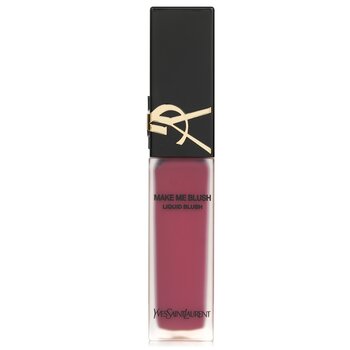

Yves Saint LaurentMake Me Blush Liquid Blush - # 54 Berry Bang 15ml
Analysis updated September 2026 · How Scout scores
At a glance
Summary
This liquid blush contains denatured alcohol, which can be drying and irritating to the skin, especially with prolonged use. The presence of synthetic ingredients like acrylates and PEG compounds also contributes to a moderate processing level. However, it includes beneficial ingredients such as tocopherol, which provides antioxidant benefits, and titanium dioxide, a mineral pigment, which slightly offsets the negatives.
Key ingredients 26
TocopherolVery Good
Tocopherol, also known as Vitamin E, is an antioxidant that helps protect the skin from damage. It is widely used for its moisturizing and skin-conditioning properties. It is considered beneficial for skin health.
Risks
There are minimal risks associated with tocopherol.
Benefits
It provides antioxidant protection and helps in moisturizing the skin.
MicaGood
Beneficial ingredient — whole-food or functional value in this product class.
Risks
Inhalation of mica particles can be harmful, but this is more of a concern in occupational settings.
Benefits
It provides a natural shimmer and glow to the skin.
Ci 77499 / Iron OxidesGood
Beneficial ingredient — whole-food or functional value in this product class.
Risks
There are minimal risks associated with iron oxides.
Benefits
They provide natural and stable color to the product.
Ci 77491 / Iron OxidesGood
Beneficial ingredient — whole-food or functional value in this product class.
Risks
There are minimal risks associated with iron oxides.
Benefits
They provide natural and stable color to the product.
Ci 77492 / Iron OxidesGood
Beneficial ingredient — whole-food or functional value in this product class.
Risks
There are minimal risks associated with iron oxides.
Benefits
They provide natural and stable color to the product.
Aqua / Water / EauNeutral
Water is a common solvent used in cosmetics to dissolve other ingredients. It helps in the application and absorption of the product. It is generally considered safe and non-irritating.
Risks
There are no significant risks associated with water in cosmetics.
Benefits
Water helps in hydrating the skin and acts as a base for other ingredients.
IsododecaneNeutral
Isododecane is a hydrocarbon used to enhance the spreadability of products. It evaporates quickly, leaving a non-greasy finish. It is considered safe for use in cosmetics.
Risks
There are minimal risks associated with isododecane, though it may cause irritation in very sensitive skin.
Benefits
It provides a lightweight feel and helps in the even application of the product.
Butylene GlycolNeutral
Butylene Glycol is a humectant that helps retain moisture in the skin. It also improves the texture and spreadability of the product. It is generally recognized as safe for use in cosmetics.
Risks
It may cause irritation or allergic reactions in sensitive individuals.
Benefits
It helps in keeping the skin hydrated and enhances the product's texture.
Acrylates/Polytrimethylsiloxymethacrylate CopolymerNeutral
This copolymer is used to form a film on the skin, providing long-lasting wear. It helps in improving the texture and durability of the product. It is generally considered safe for use in cosmetics.
Risks
There are minimal risks, though it may cause irritation in sensitive skin.
Benefits
It enhances the longevity and wear of the product on the skin.
Cetyl Peg/Ppg-10/1 DimethiconeNeutral
This ingredient is a silicone-based compound used to improve the texture and spreadability of the product. It helps in forming a smooth, even layer on the skin. It is generally considered safe for use in cosmetics.
Risks
May cause irritation or acne in sensitive skin types.
Benefits
It enhances the application and feel of the product on the skin.
Trimethyl Pentaphenyl TrisiloxaneNeutral
This silicone compound is used to provide a silky feel and improve the spreadability of the product. It helps in forming a protective barrier on the skin. It is generally considered safe for use in cosmetics.
Risks
May cause irritation in sensitive individuals.
Benefits
It provides a smooth application and helps in retaining moisture.
Ci 77891 / Titanium DioxideNeutral
Titanium Dioxide is used as a pigment and UV filter in cosmetics. It provides opacity and sun protection. It is generally considered safe for use in cosmetics.
Risks
Inhalation of fine particles can be harmful, but this is more of a concern in occupational settings.
Benefits
It provides sun protection and improves the coverage of the product.
Disteardimonium HectoriteNeutral
This ingredient is used as a thickening agent and to stabilize emulsions. It helps in improving the texture and consistency of the product. It is generally considered safe for use in cosmetics.
Risks
There are minimal risks associated with this ingredient.
Benefits
It enhances the stability and texture of the product.
Polyglyceryl-4 IsostearateNeutral
This ingredient is an emulsifier used to blend oil and water-based components. It helps in maintaining the consistency of the product. It is generally considered safe for use in cosmetics.
Risks
There are minimal risks associated with this ingredient.
Benefits
It helps in stabilizing the product and improving its texture.
Ci 15850 / Red 7Neutral
Red 7 is a synthetic pigment used to provide color in cosmetics. It is widely used for its vibrant hue. It is generally considered safe for use in cosmetics.
Risks
May cause irritation in sensitive individuals.
Benefits
It provides a vibrant color to the product.
Magnesium SulfateNeutral
Magnesium Sulfate is used as a thickening agent and to improve the texture of the product. It helps in stabilizing emulsions. It is generally considered safe for use in cosmetics.
Risks
There are minimal risks associated with this ingredient.
Benefits
It enhances the texture and stability of the product.
Synthetic FluorphlogopiteNeutral
Synthetic Fluorphlogopite is a synthetic mica used to add shimmer and improve the texture of cosmetics. It is considered a safer alternative to natural mica. It is generally considered safe for use in cosmetics.
Risks
There are minimal risks associated with this ingredient.
Benefits
It provides a shimmering effect and enhances the product's texture.
Propylene CarbonateNeutral
Propylene Carbonate is used as a solvent and to improve the texture of the product. It helps in dissolving other ingredients and enhancing spreadability. It is generally considered safe for use in cosmetics.
Risks
There are minimal risks associated with this ingredient.
Benefits
It enhances the texture and application of the product.
Peg/Ppg-18/18 DimethiconeNeutral
This ingredient is a silicone-based compound used to improve the texture and spreadability of the product. It helps in forming a smooth, even layer on the skin. It is generally considered safe for use in cosmetics.
Risks
May cause irritation or acne in sensitive skin types.
Benefits
It enhances the application and feel of the product on the skin.
Lauroyl LysineNeutral
Lauroyl Lysine is used to improve the texture and feel of cosmetics. It provides a silky feel and enhances the spreadability of the product. It is generally considered safe for use in cosmetics.
Risks
There are minimal risks associated with this ingredient.
Benefits
It enhances the texture and application of the product.
Disodium Stearoyl GlutamateNeutral
This ingredient is used as an emulsifier to blend oil and water-based components. It helps in maintaining the consistency of the product. It is generally considered safe for use in cosmetics.
Risks
There are minimal risks associated with this ingredient.
Benefits
It helps in stabilizing the product and improving its texture.
Aluminum HydroxideNeutral
Aluminum Hydroxide is used as a thickening agent and to improve the texture of cosmetics. It helps in stabilizing emulsions. It is generally considered safe for use in cosmetics.
Risks
There are minimal risks associated with this ingredient.
Benefits
It enhances the texture and stability of the product.
Pentaerythrityl Tetra-Di-T-Butyl HydroxyhydrocinnamateNeutral
This ingredient is an antioxidant used to prevent the degradation of the product. It helps in extending the shelf life of cosmetics. It is generally considered safe for use in cosmetics.
Risks
There are minimal risks associated with this ingredient.
Benefits
It helps in preserving the product and preventing oxidation.
DimethiconeBad
Occlusive silicone film-former — flagged under clean-beauty doctrine.
Risks
In some cases, it may cause skin irritation or acne in sensitive individuals.
Benefits
Dimethicone can help in smoothing the skin and improving the appearance of fine lines.
PhenoxyethanolBad
Processed additive flagged under Scout's ingredient doctrine.
Risks
May cause irritation or allergic reactions in sensitive individuals.
Benefits
It helps in preserving the product and extending its shelf life.
Alcohol Denat.Very Bad
Denatured alcohol is used as a solvent and to help products dry quickly. However, it can be drying and irritating to the skin, especially with prolonged use. It is often used in cosmetics for its quick-drying properties.
Risks
It can strip the skin of natural oils, leading to dryness and irritation.
Benefits
It helps in the quick drying of the product and provides a matte finish.
Get the full breakdown in the Scout appTake Scout shopping
Scan any product to see lab results, healthy alternatives, and your personalized analysis.
Download on theApp Store GET IT ONGoogle Play