
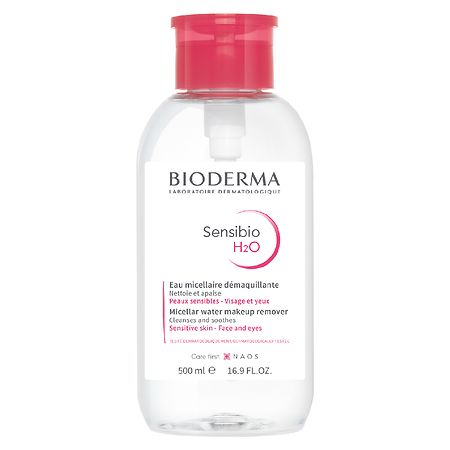
Bioderma Sensibio H2O Soothing Micellar Cleansing Water and Makeup Removing Solution for Sensitive Skin, Face and Eyes
Analysis updated August 2026 · How Scout scores
At a glance
Summary
This micellar water contains beneficial ingredients like fructooligosaccharides, xylitol, and cucumber extract, which support skin hydration and soothing. However, the presence of Cetrimonium Bromide, a potential skin irritant, and PEG-6 Caprylic/Capric Glycerides, a synthetic compound, contribute to its processed nature and limit its score. The product's formulation is a mix of natural and synthetic ingredients, impacting its overall safety and processing level.
Key ingredients 10
FructooligosaccharidesGood
Fructooligosaccharides are prebiotics that help maintain the skin's natural microbiome. They are derived from plants and are known to support skin health. They are generally considered safe and beneficial for sensitive skin.
Risks
There are minimal risks associated with this ingredient.
Benefits
They help to nourish beneficial skin bacteria, promoting a healthy skin barrier.
XylitolGood
Xylitol is a sugar alcohol that acts as a humectant and skin conditioning agent. It helps to retain moisture and improve skin hydration. It is considered safe and beneficial for skin health.
Risks
There are minimal risks associated with xylitol in cosmetic products.
Benefits
It enhances skin hydration and can improve the skin's barrier function.
Cucumis Sativus (Cucumber) Fruit ExtractGood
Cucumber extract is known for its soothing and hydrating properties. It is rich in vitamins and antioxidants that can benefit the skin. It is considered safe and beneficial, especially for sensitive skin.
Risks
There are minimal risks associated with cucumber extract in cosmetic products.
Benefits
It soothes and hydrates the skin, reducing inflammation and irritation.
AquaNeutral
Aqua, or water, is a common solvent used in cosmetic formulations. It helps dissolve other ingredients and provides a base for the product. It is generally considered safe and non-irritating.
Risks
There are no significant risks associated with water in cosmetic products.
Benefits
Water hydrates the skin and helps in the application of the product.
PEG-6 Caprylic/Capric GlyceridesNeutral
PEG-6 Caprylic/Capric Glycerides is an emulsifier and surfactant that helps to mix oil and water-based ingredients. It is derived from natural oils and is generally considered safe for use in cosmetics. However, it may contain trace amounts of ethylene oxide, a potential contaminant.
Risks
Potential contamination with ethylene oxide, a known carcinogen, is a concern.
Benefits
It helps to cleanse the skin by removing dirt and oil effectively.
MannitolNeutral
Mannitol is a sugar alcohol used as a humectant and moisturizer in cosmetics. It helps to retain moisture in the skin. It is generally considered safe and non-irritating.
Risks
There are no significant risks associated with mannitol in cosmetic products.
Benefits
It helps to hydrate the skin and improve its texture.
RhamnoseNeutral
Rhamnose is a naturally occurring sugar that can help with skin conditioning. It is often used for its potential anti-aging benefits. It is generally considered safe for use in cosmetics.
Risks
There are no significant risks associated with rhamnose in cosmetic products.
Benefits
It may help to improve skin elasticity and reduce signs of aging.
Propylene GlycolBad
Processed additive flagged under Scout's ingredient doctrine.
Risks
May cause irritation or allergic reactions in sensitive individuals.
Benefits
Helps to keep the skin hydrated and improves the texture of the product.
Cetrimonium BromideBad
Cetrimonium Bromide is a surfactant and preservative used in cosmetics. It can be irritating to the skin and eyes, especially in higher concentrations. It is used to help cleanse the skin and prevent microbial growth.
Risks
Potential skin and eye irritation, especially in sensitive individuals.
Benefits
Helps to cleanse the skin and maintain product stability by preventing microbial growth.
Disodium EDTABad
Processed additive flagged under Scout's ingredient doctrine.
Risks
There are minimal risks associated with Disodium EDTA in cosmetic products.
Benefits
Helps to maintain the stability and efficacy of the product by binding metal ions.
Processing
Processed Foods
Get the full breakdown in the Scout appTake Scout shopping
Scan any product to see lab results, healthy alternatives, and your personalized analysis.
Download on theApp Store GET IT ONGoogle PlayAmazon pricing & content
Amazon price as of . Product prices and availability are accurate as of the date/time indicated and are subject to change. Any price and availability information displayed on Amazon.com at the time of purchase will apply to the purchase of this product.
CERTAIN CONTENT THAT APPEARS ON THIS SITE COMES FROM AMAZON. THIS CONTENT IS PROVIDED “AS IS” AND IS SUBJECT TO CHANGE OR REMOVAL AT ANY TIME.