
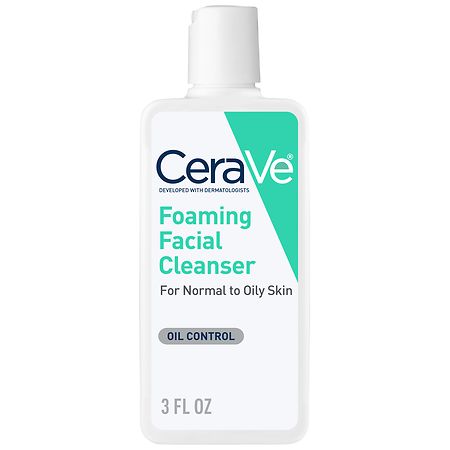
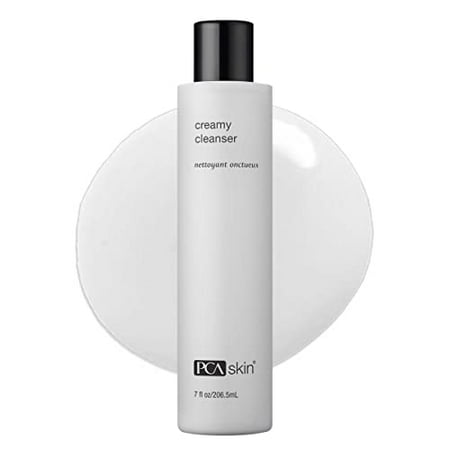
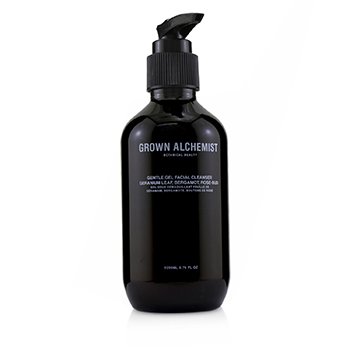
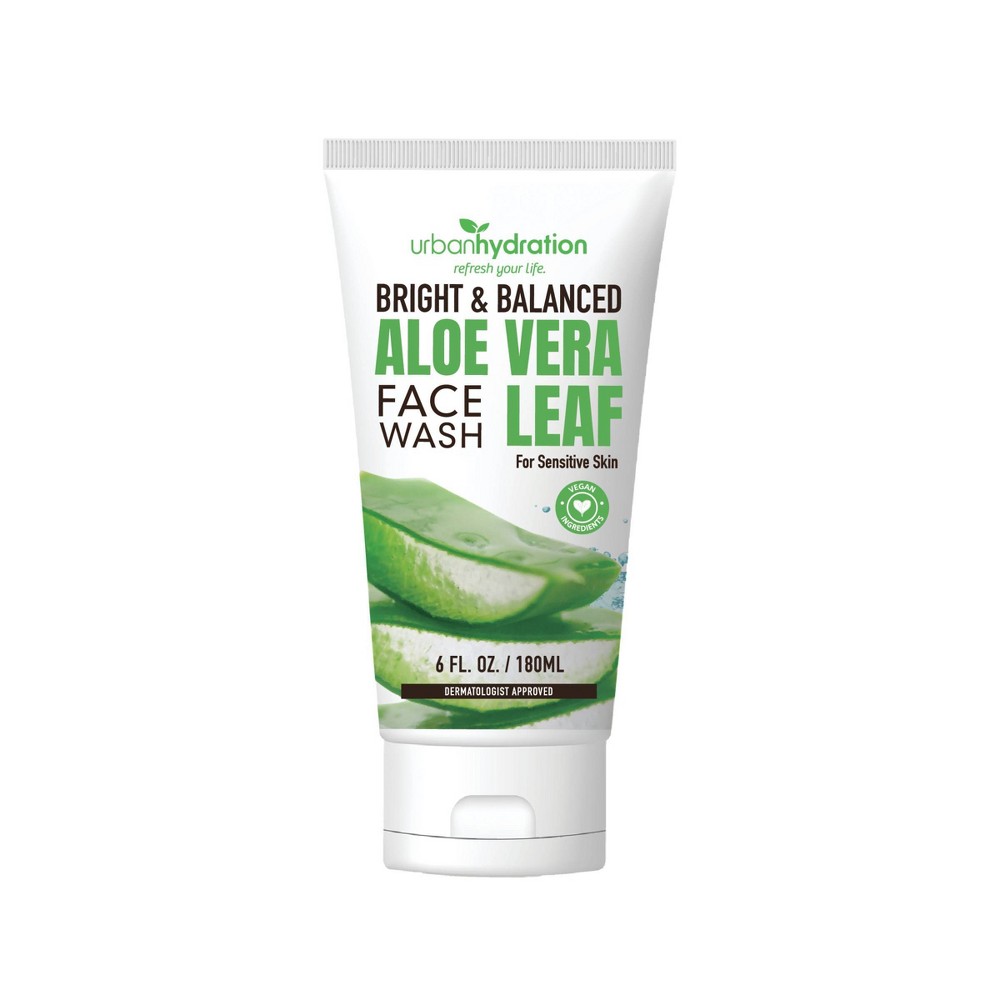
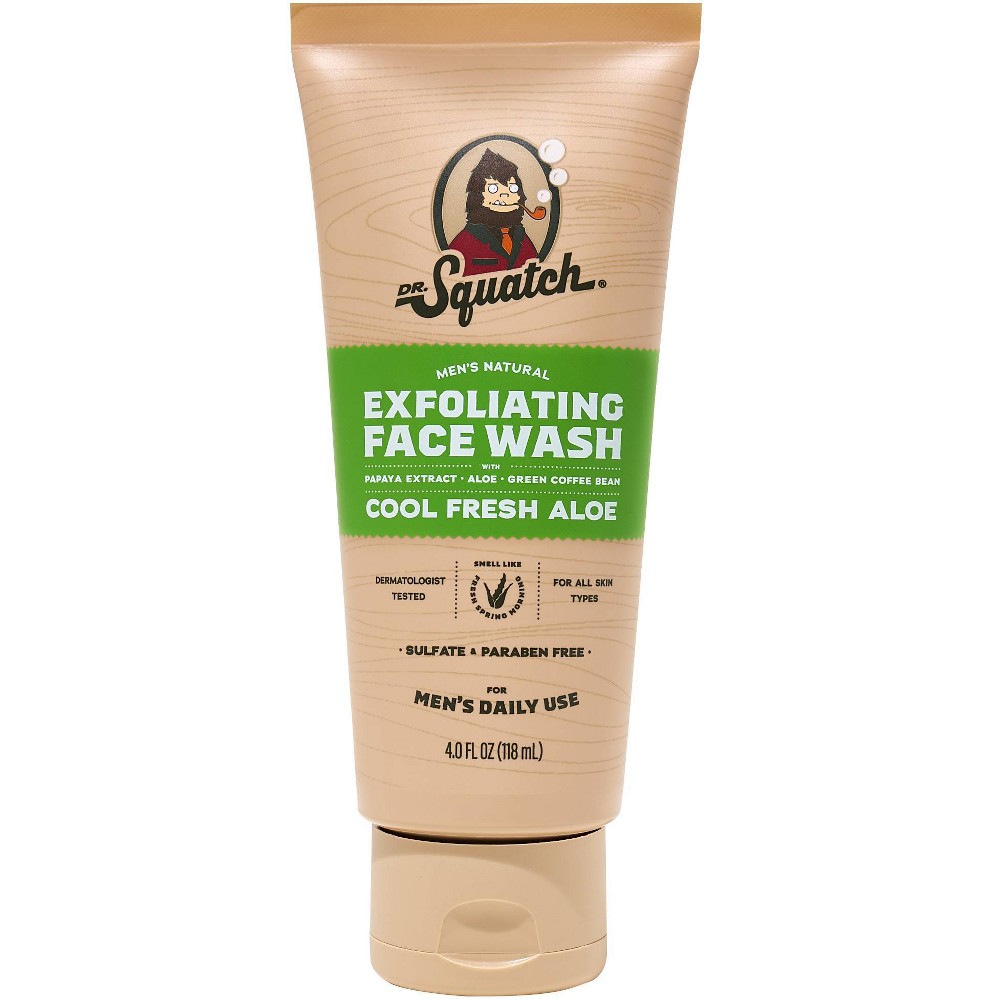
CeraVe Foaming Face Wash with Hyaluronic Acid and Niacinamide for Oily Skin - 3 fl oz
Analysis updated August 2026 · How Scout scores
At a glance
Summary
This face wash contains beneficial ingredients like glycerin, hyaluronic acid, and ceramides, which are excellent for skin hydration and barrier repair. However, the presence of parabens, which are controversial due to potential endocrine-disrupting effects, lowers the overall safety profile. The product is moderately processed, which also impacts its rating.
Key ingredients 23
Ceramide 3Very Good
Ceramide 3 is a lipid that helps restore the skin barrier. It is essential for maintaining skin hydration and integrity. It is beneficial for dry and sensitive skin types.
Risks
There are no significant risks associated with ceramides.
Benefits
It strengthens the skin barrier and retains moisture.
Ceramide 6 IIVery Good
Ceramide 6 II is a skin-identical lipid that aids in barrier repair. It helps reduce transepidermal water loss and improves skin texture. It is particularly beneficial for compromised skin barriers.
Risks
There are no known risks with ceramide use.
Benefits
It enhances skin hydration and barrier function.
Ceramide 1Very Good
Ceramide 1 is crucial for maintaining the skin's lipid barrier. It helps protect against environmental damage and moisture loss. It is effective in improving skin resilience.
Risks
There are no significant risks associated with ceramides.
Benefits
It supports skin barrier health and hydration.
GlycerinGood
Glycerin is a humectant that attracts moisture to the skin. It helps maintain skin hydration and improves skin barrier function. It is widely used in skincare for its moisturizing properties.
Risks
There are minimal risks, though it can cause irritation in very sensitive skin.
Benefits
It enhances skin hydration and smoothness.
Hyaluronic AcidGood
Hyaluronic Acid is a powerful humectant that can hold up to 1000 times its weight in water. It provides intense hydration and plumps the skin. It is suitable for all skin types, including sensitive skin.
Risks
There are minimal risks, though it can cause irritation in rare cases.
Benefits
It deeply hydrates and improves skin elasticity.
Purified WaterNeutral
Purified water is used as a solvent to dissolve other ingredients. It is a neutral component in cosmetic formulations. It does not contribute to the efficacy or harm of the product.
Risks
There are no known risks associated with purified water in cosmetics.
Benefits
It helps in the even distribution of other ingredients.
Cetearyl AlcoholNeutral
Cetearyl Alcohol is a fatty alcohol used as an emollient and thickener. It helps stabilize formulations and provides a creamy texture. It is not drying like other alcohols.
Risks
Rarely, it can cause irritation in sensitive individuals.
Benefits
It softens and smooths the skin.
CholesterolNeutral
Cholesterol is a lipid that helps maintain the skin barrier. It works synergistically with ceramides and fatty acids. It is beneficial for restoring skin barrier function.
Risks
There are no significant risks associated with cholesterol in skincare.
Benefits
It supports skin barrier repair and hydration.
Polyoxyl 40 StearateNeutral
Polyoxyl 40 Stearate is an emulsifier that helps blend oil and water components. It stabilizes formulations and improves texture. It is generally considered safe for use in cosmetics.
Risks
There are no significant risks associated with this ingredient.
Benefits
It helps maintain product consistency and stability.
Glyceryl MonostearateNeutral
Glyceryl Monostearate is an emulsifier and thickening agent. It helps stabilize formulations and provides a smooth texture. It is commonly used in skincare products for its emollient properties.
Risks
There are no significant risks associated with this ingredient.
Benefits
It enhances product texture and stability.
Stearyl AlcoholNeutral
Stearyl Alcohol is a fatty alcohol used as an emollient and thickener. It helps improve the texture and feel of skincare products. It is not drying like other alcohols.
Risks
Rarely, it can cause irritation in sensitive individuals.
Benefits
It provides a creamy texture and softens the skin.
Polysorbate 20Neutral
Polysorbate 20 is an emulsifier that helps mix oil and water components. It stabilizes formulations and improves texture. It is generally considered safe for use in cosmetics.
Risks
There are no significant risks associated with this ingredient.
Benefits
It helps maintain product consistency and stability.
Potassium PhosphateNeutral
Potassium Phosphate is used as a buffering agent to maintain pH balance. It helps stabilize formulations and prevent degradation. It is considered safe for use in cosmetics.
Risks
There are no significant risks associated with this ingredient.
Benefits
It helps maintain product stability and pH balance.
Dipotassium PhosphateNeutral
Dipotassium Phosphate is a buffering agent used to maintain pH balance. It helps stabilize formulations and prevent degradation. It is considered safe for use in cosmetics.
Risks
There are no significant risks associated with this ingredient.
Benefits
It helps maintain product stability and pH balance.
Sodium Lauroyl LactylateNeutral
Sodium Lauroyl Lactylate is a mild surfactant and emulsifier. It helps cleanse the skin without stripping natural oils. It is considered safe and non-irritating.
Risks
There are no significant risks associated with this ingredient.
Benefits
It provides gentle cleansing and emulsification.
Cetyl AlcoholNeutral
Cetyl Alcohol is a fatty alcohol used as an emollient and thickener. It helps improve the texture and feel of skincare products. It is not drying like other alcohols.
Risks
Rarely, it can cause irritation in sensitive individuals.
Benefits
It provides a creamy texture and softens the skin.
PhytosphingosineNeutral
Phytosphingosine is a lipid that helps maintain the skin barrier. It has antimicrobial properties and supports skin health. It is beneficial for maintaining skin integrity.
Risks
There are no significant risks associated with this ingredient.
Benefits
It supports skin barrier function and has antimicrobial benefits.
CarbomerNeutral
Carbomer is a thickening agent used to create gel-like textures. It helps stabilize formulations and improve texture. It is considered safe for use in cosmetics.
Risks
There are no significant risks associated with this ingredient.
Benefits
It provides a smooth, gel-like texture to products.
Xanthan GumNeutral
Xanthan Gum is a natural thickening agent used to stabilize formulations. It helps improve texture and consistency. It is considered safe and non-irritating.
Risks
There are no significant risks associated with this ingredient.
Benefits
It enhances product texture and stability.
Behentrimonium MethosulfateBad
Processed additive flagged under Scout's ingredient doctrine.
Risks
There are no significant risks associated with this ingredient.
Benefits
It provides conditioning benefits without causing buildup.
Disodium EDTABad
Processed additive flagged under Scout's ingredient doctrine.
Risks
There are no significant risks associated with this ingredient.
Benefits
It enhances product stability and shelf life.
MethylparabenVery Bad
Methylparaben is a preservative used to prevent microbial growth. It is controversial due to potential endocrine-disrupting effects. It is generally considered safe in low concentrations but is still viewed negatively.
Risks
Potential endocrine disruption and skin irritation.
Benefits
It effectively prevents microbial growth in products.
PropylparabenVery Bad
Propylparaben is a preservative used to prevent microbial growth. It is controversial due to potential endocrine-disrupting effects. It is generally considered safe in low concentrations but is still viewed negatively.
Risks
Potential endocrine disruption and skin irritation.
Benefits
It effectively prevents microbial growth in products.
Processing
Processed Foods
Get the full breakdown in the Scout appTake Scout shopping
Scan any product to see lab results, healthy alternatives, and your personalized analysis.
Download on theApp Store GET IT ONGoogle Play