


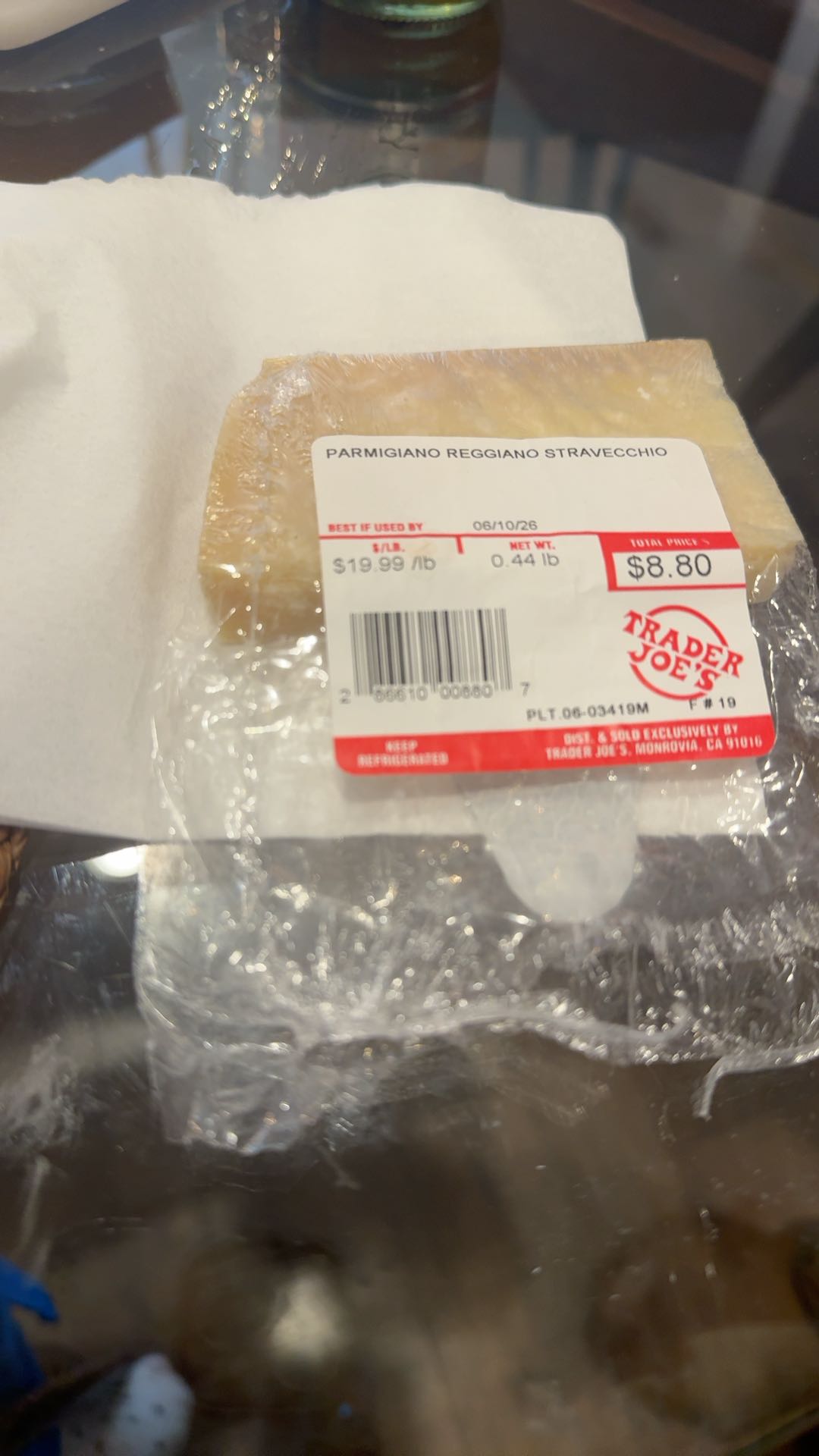
At a glance
Summary
This cheese product is made from cow milk and cream, which are beneficial ingredients providing essential nutrients like calcium and protein. The ingredient list is relatively short and free from harmful additives, indicating a cleaner label. However, it is a processed food, which limits its score despite the quality of its ingredients.
Key ingredients 6
Cow milkGood
Cow milk is a primary source of calcium and protein, essential for bone health and muscle maintenance. It is minimally processed and provides a range of vitamins and minerals. The quality of milk can vary based on the cow's diet and farming practices.
Risks
Some individuals may be lactose intolerant or allergic to milk proteins, which can cause digestive issues.
Benefits
Rich in calcium and protein, supporting bone health and muscle function. Provides essential vitamins and minerals such as vitamin D and B12.
Cream 30%Good
Cream is a source of healthy fats and adds richness to dairy products. It is typically pasteurized to ensure safety and quality. The fat content can contribute to satiety and flavor enhancement.
Risks
High in saturated fats, which should be consumed in moderation to avoid cardiovascular risks.
Benefits
Provides a rich source of fats that can enhance the absorption of fat-soluble vitamins. Adds flavor and texture to dairy products.
RennetGood
Beneficial ingredient — whole-food or functional value in this product class.
Benefits
Essential for cheese production, helping to form curds and develop texture.
Lactic culturesNeutral
Lactic cultures are used in fermentation to develop flavor and texture in dairy products. They are essential for the production of cheese and yogurt. The specific strains used can vary, affecting the final product's characteristics.
Benefits
Contributes to the fermentation process, enhancing flavor and potentially providing probiotic benefits.
SaltNeutral
Salt is used to enhance flavor and preserve food. It is a common ingredient in cheese-making. Excessive consumption can lead to health issues such as hypertension.
Risks
High sodium intake can contribute to hypertension and cardiovascular disease.
Benefits
Enhances flavor and acts as a preservative in food products.
Nitrogen for aerationNeutral
Nitrogen is used to aerate products, improving texture and consistency. It is an inert gas and does not react with food components. Its use is common in food processing to maintain product quality.
Benefits
Improves texture and consistency without adding any reactive substances to the product.
Processing
Processed Foods
Get the full breakdown in the Scout appTake Scout shopping
Scan any product to see lab results, healthy alternatives, and your personalized analysis.
Download on theApp Store GET IT ONGoogle Play