


At a glance
Summary
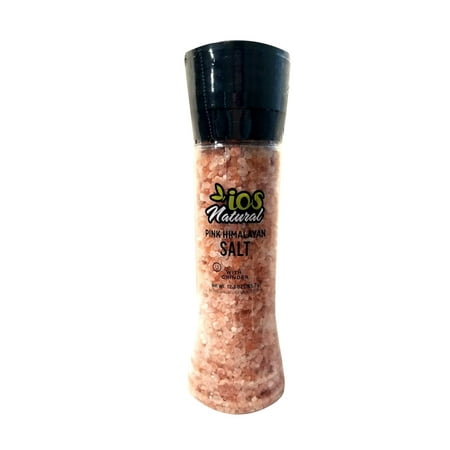
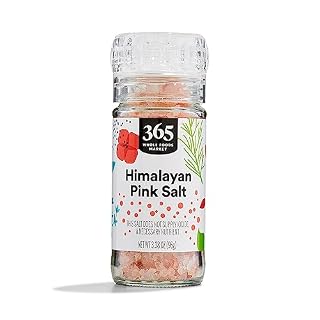
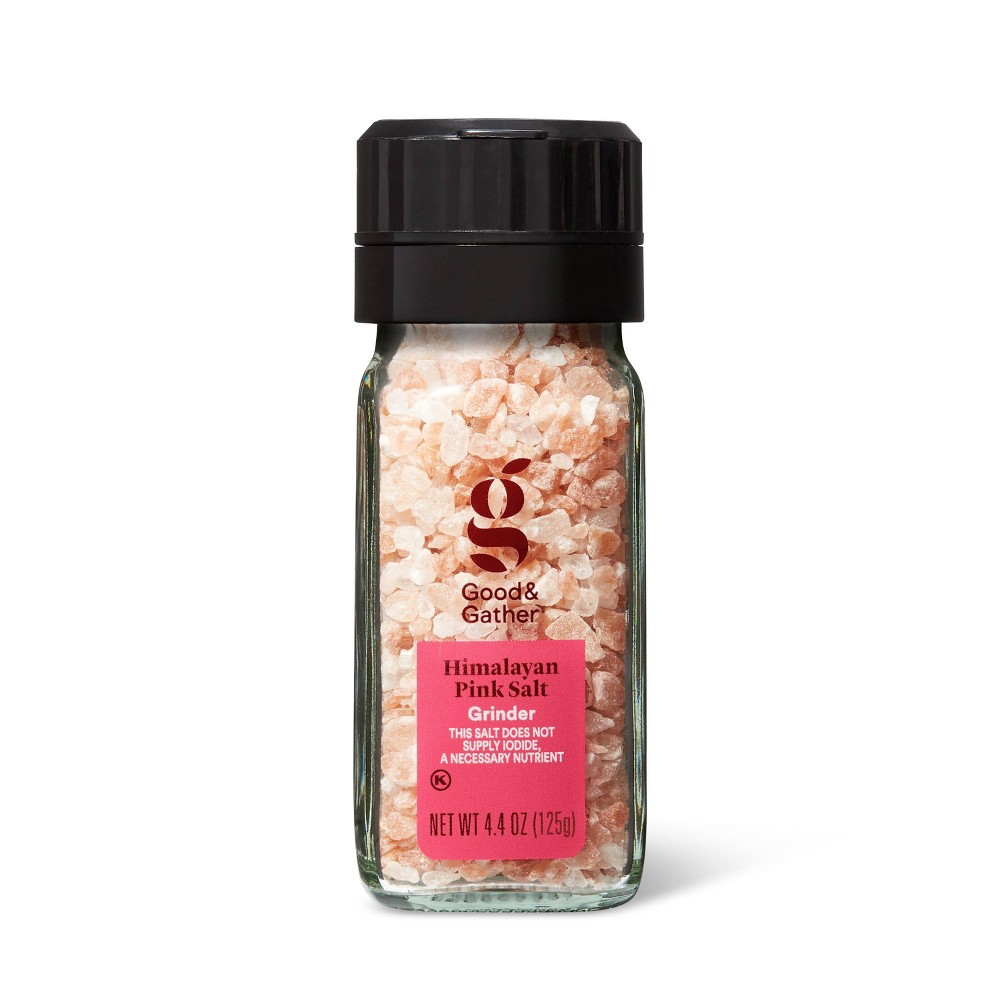
This product is a minimally processed culinary ingredient, consisting primarily of Himalayan salt, which is known for its natural mineral content. It contains beneficial minerals such as calcium, magnesium, and iron, which contribute to its nutritional value. The lack of additives and the presence of these essential minerals make it a high-quality choice compared to more refined salts.
Key ingredients 6
Himalayan saltGood
Himalayan salt is a natural, unrefined mineral salt with trace minerals. It is minimally processed, retaining its natural mineral content. Compared to refined table salt, it offers additional minerals like potassium and magnesium.
Risks
Excessive consumption of any salt can lead to high blood pressure and related health issues.
Benefits
Provides essential minerals and electrolytes that support various bodily functions. Its natural mineral content can enhance flavor and nutritional value.
CalciumGood
Calcium is a vital mineral for bone health and metabolic functions. It is often added to foods to enhance nutritional value. Adequate calcium intake supports bone density and reduces the risk of osteoporosis.
Risks
Excessive calcium intake can lead to kidney stones and impaired absorption of other minerals.
Benefits
Supports bone health, muscle function, and nerve signaling. Helps in maintaining strong bones and teeth.
MagnesiumGood
Magnesium is an essential mineral involved in over 300 biochemical reactions in the body. It supports muscle and nerve function, as well as energy production. Adequate magnesium intake is crucial for cardiovascular health and bone strength.
Risks
High doses from supplements can cause diarrhea, nausea, and abdominal cramping.
Benefits
Supports muscle and nerve function, energy production, and bone health. Helps regulate blood pressure and blood sugar levels.
SulfateGood
Beneficial ingredient — whole-food or functional value in this product class.
Benefits
Supports detoxification processes and joint health. May aid in digestion and nutrient absorption.
IronGood
Iron is a crucial mineral for oxygen transport and energy production. It is essential for the formation of hemoglobin in red blood cells. Adequate iron intake prevents anemia and supports overall energy levels.
Risks
Excessive iron intake can lead to toxicity and organ damage, particularly in individuals with hemochromatosis.
Benefits
Supports oxygen transport and energy production. Prevents iron-deficiency anemia and boosts immune function.
Sodium chlorideNeutral
Sodium chloride is the primary component of table salt, essential for maintaining fluid balance and nerve function. It is a refined product, lacking the trace minerals found in unrefined salts. While necessary for health, it should be consumed in moderation to avoid health risks.
Risks
High intake can lead to hypertension and cardiovascular issues.
Benefits
Essential for maintaining fluid balance, nerve transmission, and muscle function.
Processing
Processed Culinary Ingredients
Get the full breakdown in the Scout appTake Scout shopping
Scan any product to see lab results, healthy alternatives, and your personalized analysis.
Download on theApp Store GET IT ONGoogle Play