

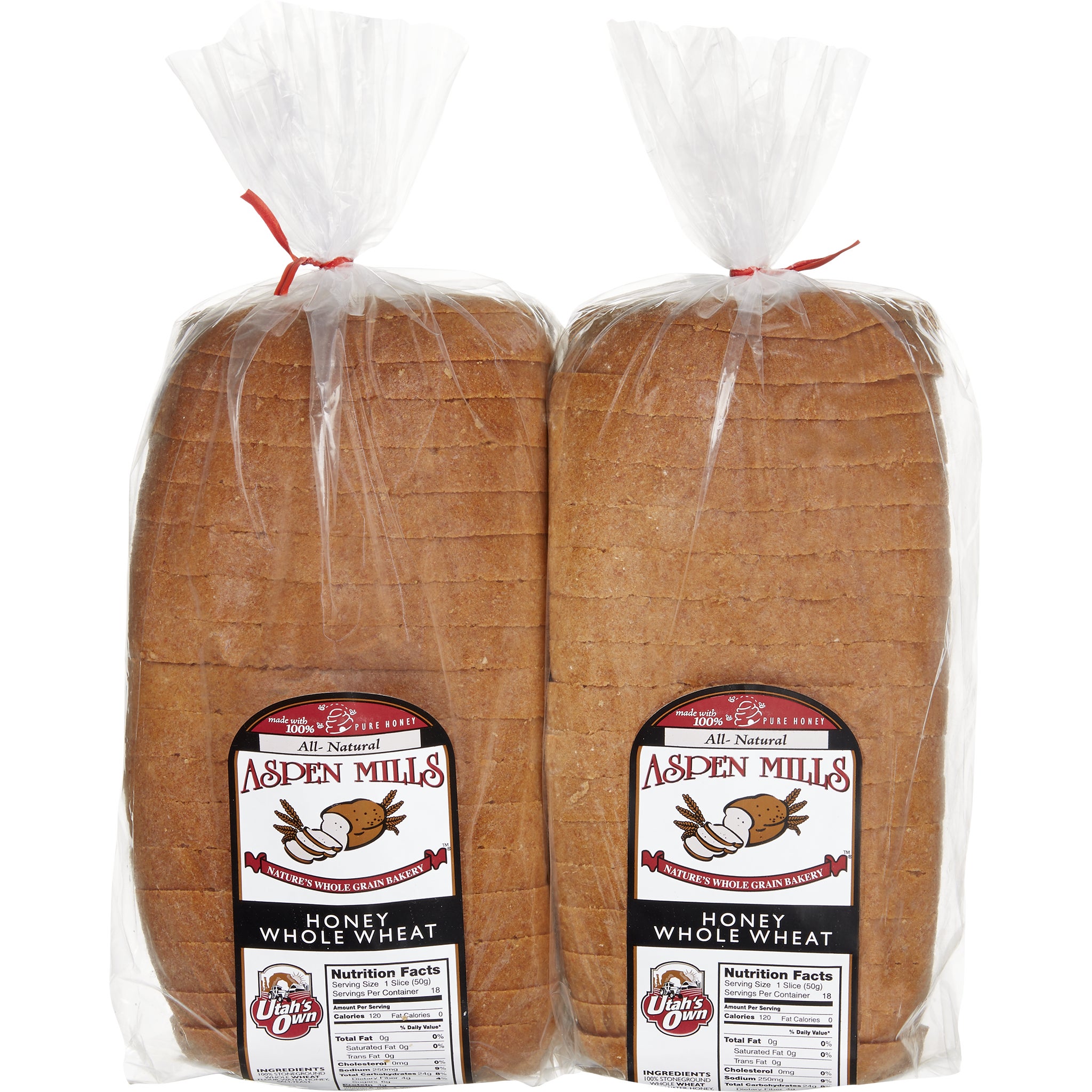


100% Whole Wheat Bread
Summary
This bread is made with whole wheat flour, which is a beneficial ingredient due to its high fiber content and nutritional value. However, the presence of soybean oil, a seed oil high in omega-6 fatty acids, and added sugar detracts from its healthiness. The product is moderately processed, which further limits its score despite the use of whole wheat flour.
At a glance
Key ingredients 7
Wheat GlutenNeutral
Wheat gluten is a protein derived from wheat that provides elasticity and structure to bread. It is commonly used in baking to improve texture and volume. While it is beneficial for bread quality, it may pose issues for individuals with gluten intolerance or celiac disease.
Risks
May cause adverse reactions in individuals with gluten intolerance or celiac disease.
Benefits
Enhances the texture and structure of bread, making it more palatable and visually appealing.
Soybean OilVery Bad
Soybean oil is a seed oil high in omega-6 fatty acids, which can promote inflammation when consumed in excess. It is often extracted using chemical solvents, which may leave residues. The high omega-6 content and processing methods make it a less desirable choice compared to healthier fats.
Risks
High omega-6 content may promote inflammation and imbalance omega-3 to omega-6 ratio.
Soy LecithinNeutral
Soy lecithin is an emulsifier that helps blend ingredients and improve texture in baked goods. It is derived from soybeans and is generally considered safe in small amounts. While it aids in product consistency, it offers minimal nutritional value.
Risks
May cause allergic reactions in individuals sensitive to soy.
Benefits
Improves texture and consistency of baked goods, enhancing consumer experience.
Whole Wheat FlourVery Good
Whole wheat flour is a minimally processed ingredient rich in fiber, vitamins, and minerals. It retains the bran and germ, providing more nutrients than refined flours. Its high fiber content supports digestive health and provides sustained energy.
Benefits
Rich in dietary fiber, vitamins, and minerals, supporting digestive health and providing essential nutrients.
WaterNeutral
Water is a fundamental ingredient in bread making, providing moisture and activating yeast. It is essential for dough formation and texture. As a natural and unprocessed ingredient, it poses no health risks.
Benefits
Essential for dough formation and texture, contributing to the overall quality of the bread.
SugarBad
Sugar is a refined carbohydrate that provides sweetness and aids in yeast fermentation. However, excessive consumption can lead to health issues such as obesity and diabetes. In bread, it is used in small amounts to enhance flavor and texture.
Risks
Excessive intake can contribute to obesity, diabetes, and other metabolic disorders.
Benefits
Enhances flavor and aids in yeast fermentation, improving bread texture.
YeastNeutral
Yeast is a microorganism used in bread making to ferment sugars and produce carbon dioxide, causing the dough to rise. It is a natural ingredient that contributes to the bread's texture and flavor. While essential for leavening, it offers minimal nutritional benefits.
Benefits
Essential for leavening, contributing to the bread's texture and flavor.
Processing
Processed Foods
Get the full breakdown in the Scout app
Scan any product to see lab results, healthy alternatives, and your personalized analysis.
Download on theApp Store