


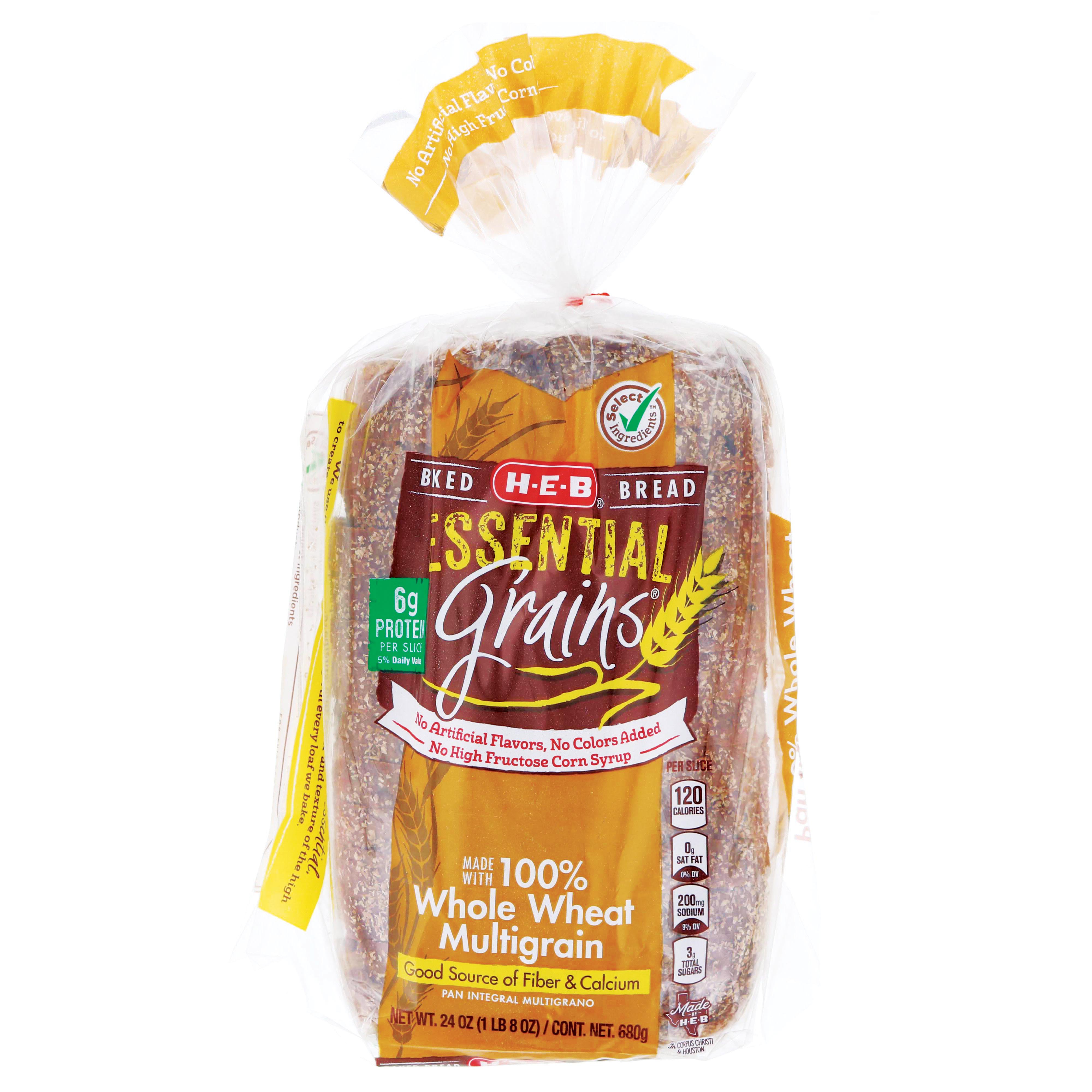


Honey Wheat Bread
Analysis updated August 2026 · How Scout scores
At a glance
Summary
This honey wheat bread features a relatively clean ingredient list with beneficial components like whole wheat flour, oats, and honey, which contribute to its nutritional value by providing fiber, vitamins, and minerals. The absence of harmful additives such as seed oils, artificial sweeteners, or preservatives enhances its health profile. However, as a processed food, it is subject to a processing score cap, which limits its maximum potential rating.
Key ingredients 8
OatsVery Good
Oats are a whole grain known for their high fiber content, particularly beta-glucan. They support heart health by helping to lower cholesterol levels. Oats also provide a good source of vitamins and minerals.
Risks
May cause allergic reactions in individuals with oat sensitivity.
Benefits
Rich in fiber, which aids digestion and supports heart health.
Whole wheat flourGood
Whole wheat flour is made from the entire wheat kernel, providing more fiber and nutrients than refined flour. It supports digestive health and provides essential vitamins and minerals. It is a healthier alternative to refined flours.
Risks
May cause allergic reactions in individuals with wheat allergies.
Benefits
High in fiber, which aids in digestion and helps maintain stable blood sugar levels.
HoneyGood
Honey is a natural sweetener with antioxidant properties. It provides a source of simple sugars for quick energy. Unlike refined sugars, honey contains trace amounts of vitamins and minerals.
Risks
High sugar content can contribute to increased calorie intake if consumed in excess.
Benefits
Contains antioxidants and has a lower glycemic index than refined sugar.
Wheat branGood
Wheat bran is the outer layer of the wheat kernel, rich in dietary fiber. It supports digestive health and helps in maintaining regular bowel movements. It also provides essential nutrients like magnesium and phosphorus.
Risks
May cause digestive discomfort in some individuals if consumed in large amounts.
Benefits
High in fiber, which supports digestive health and helps in weight management.
Unbleached unbromated wheat flourNeutral
Unbleached unbromated wheat flour is a staple ingredient in bread-making. It is less processed than bleached flour, retaining more nutrients. However, it lacks the fiber content of whole grain flours.
Benefits
Provides essential carbohydrates and some protein, contributing to energy supply.
WaterNeutral
Water is a fundamental ingredient in bread, necessary for dough formation. It acts as a solvent and helps in gluten development. It does not contribute any nutritional value.
Benefits
Essential for hydration and dough consistency.
SaltNeutral
Salt is used in bread to enhance flavor and control yeast activity. It is a common culinary ingredient but does not provide significant nutritional benefits. Excessive consumption can lead to health issues like hypertension.
Risks
Excessive intake can contribute to high blood pressure and cardiovascular issues.
Benefits
Enhances flavor and helps in dough fermentation.
YeastNeutral
Yeast is a microorganism used in bread-making to ferment sugars, producing carbon dioxide that leavens the dough. It is a natural ingredient that contributes to the bread's texture. It does not provide significant nutritional benefits.
Benefits
Essential for leavening bread, contributing to its texture and flavor.
Processing
Processed Foods
Get the full breakdown in the Scout appTake Scout shopping
Scan any product to see lab results, healthy alternatives, and your personalized analysis.
Download on theApp Store GET IT ONGoogle PlayAmazon pricing & content
Amazon price as of . Product prices and availability are accurate as of the date/time indicated and are subject to change. Any price and availability information displayed on Amazon.com at the time of purchase will apply to the purchase of this product.
CERTAIN CONTENT THAT APPEARS ON THIS SITE COMES FROM AMAZON. THIS CONTENT IS PROVIDED “AS IS” AND IS SUBJECT TO CHANGE OR REMOVAL AT ANY TIME.