


At a glance
Summary
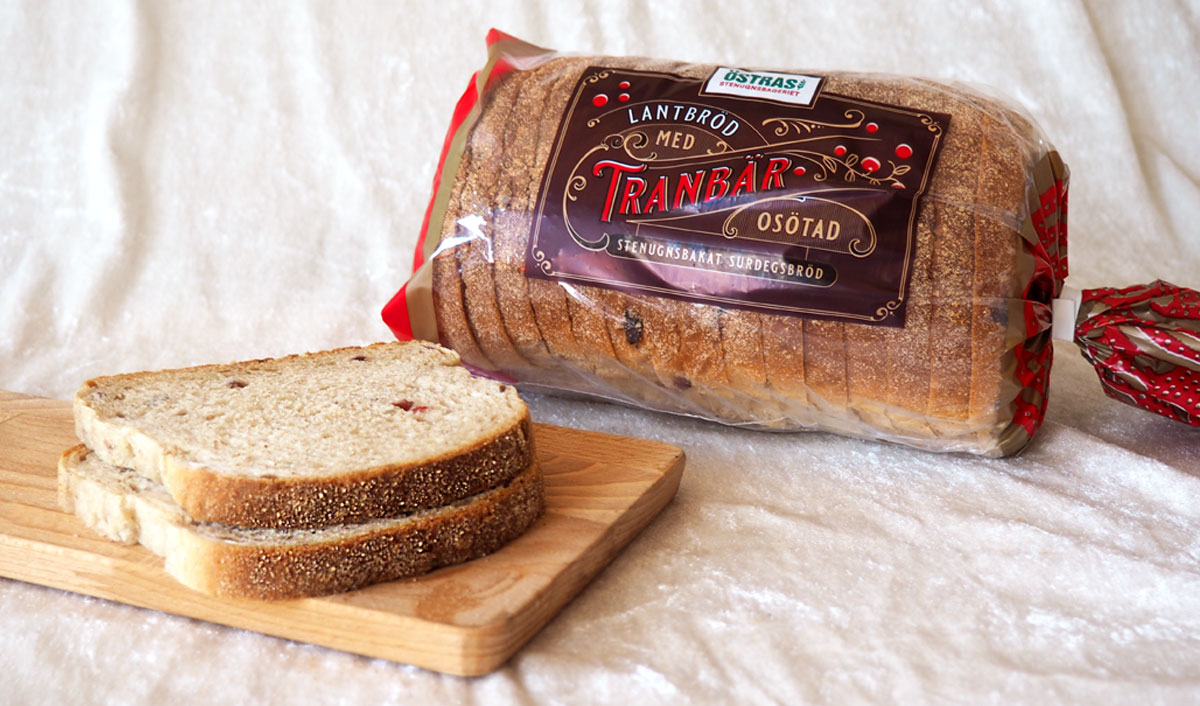
Tranbär Lantbröd is a processed bread with a relatively clean ingredient list, featuring beneficial components like rye flour, sunflower seeds, and cranberries, which enhance its nutritional profile. The absence of harmful additives and the inclusion of whole grains and seeds contribute positively to its healthiness. However, as a processed food, its score is capped to reflect its processing level, despite the quality ingredients.
Key ingredients 14
Scalded wheatGood
Scalded wheat involves partially cooking the wheat, which can enhance flavor and texture. This process may also improve digestibility and nutrient availability. It adds a unique texture and nutritional profile to the bread.
Benefits
Enhances flavor and texture while potentially improving nutrient availability.
Durum wheat flourGood
Durum wheat flour is high in protein and gluten, contributing to a firm texture in bread. It is often used in pasta and bread for its strong gluten network. This flour enhances the nutritional profile with higher protein content.
Benefits
High in protein, contributing to a firm texture and enhanced nutritional profile.
Rye flakesGood
Rye flakes are whole grain and provide additional fiber and nutrients. They add texture and a nutty flavor to the bread. Rye flakes support heart health and digestive function.
Benefits
Rich in fiber and nutrients, supporting heart health and digestion.
Sunflower seedsGood
Sunflower seeds are a good source of healthy fats, protein, and vitamins. They add a crunchy texture and nutty flavor to the bread. These seeds are rich in vitamin E and beneficial fatty acids.
Benefits
Rich in healthy fats, protein, and vitamin E, supporting overall health.
CranberriesGood
Cranberries add natural sweetness and antioxidants to the bread. They are known for their potential urinary tract health benefits. The inclusion of cranberries enhances the flavor and nutritional profile of the bread.
Benefits
Provide antioxidants and potential urinary tract health benefits.
Durum wheat sourdoughGood
Durum wheat sourdough enhances the flavor and digestibility of the bread. The fermentation process can improve nutrient absorption and gut health. Sourdough adds a tangy flavor and may lower the glycemic index of the bread.
Benefits
Improves flavor, digestibility, and nutrient absorption.
WaterNeutral
Water is a fundamental ingredient in bread making, hydrating the flour and activating yeast. It is essential for the dough formation process. There are no health concerns associated with water in this context.
Benefits
Essential for dough formation and yeast activation in bread making.
Rye flourNeutral
Standard formulation ingredient — neither beneficial nor harmful at typical use.
Benefits
Rich in fiber and nutrients, supporting digestive health and providing sustained energy.
Sifted rye flourNeutral
Sifted rye flour is a refined version of rye flour, offering a lighter texture. It retains some of the nutritional benefits of whole rye but with reduced fiber content. It provides a balance between texture and nutrition in bread.
Risks
Reduced fiber content compared to whole rye flour.
Benefits
Offers a lighter texture while retaining some nutritional benefits of rye.
Apple juiceNeutral
Apple juice is used as a natural sweetener and flavor enhancer in bread. It contains natural sugars and some vitamins, though in small amounts. The juice adds a subtle sweetness without the need for refined sugars.
Risks
Contains natural sugars which can contribute to overall sugar intake.
Benefits
Adds natural sweetness and flavor without refined sugars.
Wheat glutenNeutral
Wheat gluten is added to improve the elasticity and texture of the bread. It is a concentrated source of protein, though it may cause issues for those with gluten sensitivities. Gluten enhances the structure and chewiness of the bread.
Risks
May cause issues for individuals with gluten sensitivities or celiac disease.
Benefits
Improves bread texture and provides a concentrated protein source.
SaltNeutral
Salt is used to enhance flavor and control yeast activity in bread. It is a necessary component for proper dough development. While essential, excessive salt intake can lead to health issues.
Risks
Excessive salt intake can contribute to high blood pressure and cardiovascular issues.
Benefits
Enhances flavor and controls yeast activity in bread making.
YeastNeutral
Yeast is a leavening agent that helps the bread rise by producing carbon dioxide. It is essential for creating the light and airy texture of bread. Yeast fermentation can also contribute to flavor development.
Benefits
Essential for leavening and flavor development in bread.
Wheat flourBad
Refined grain flour stripped of bran and germ.
Risks
Refined wheat flour can contribute to blood sugar spikes and may lack essential nutrients found in whole grains.
Benefits
Provides essential carbohydrates for energy, though whole grain options are more nutritious.
Processing
Processed Foods
Get the full breakdown in the Scout appTake Scout shopping
Scan any product to see lab results, healthy alternatives, and your personalized analysis.
Download on theApp Store GET IT ONGoogle Play