


At a glance
Summary
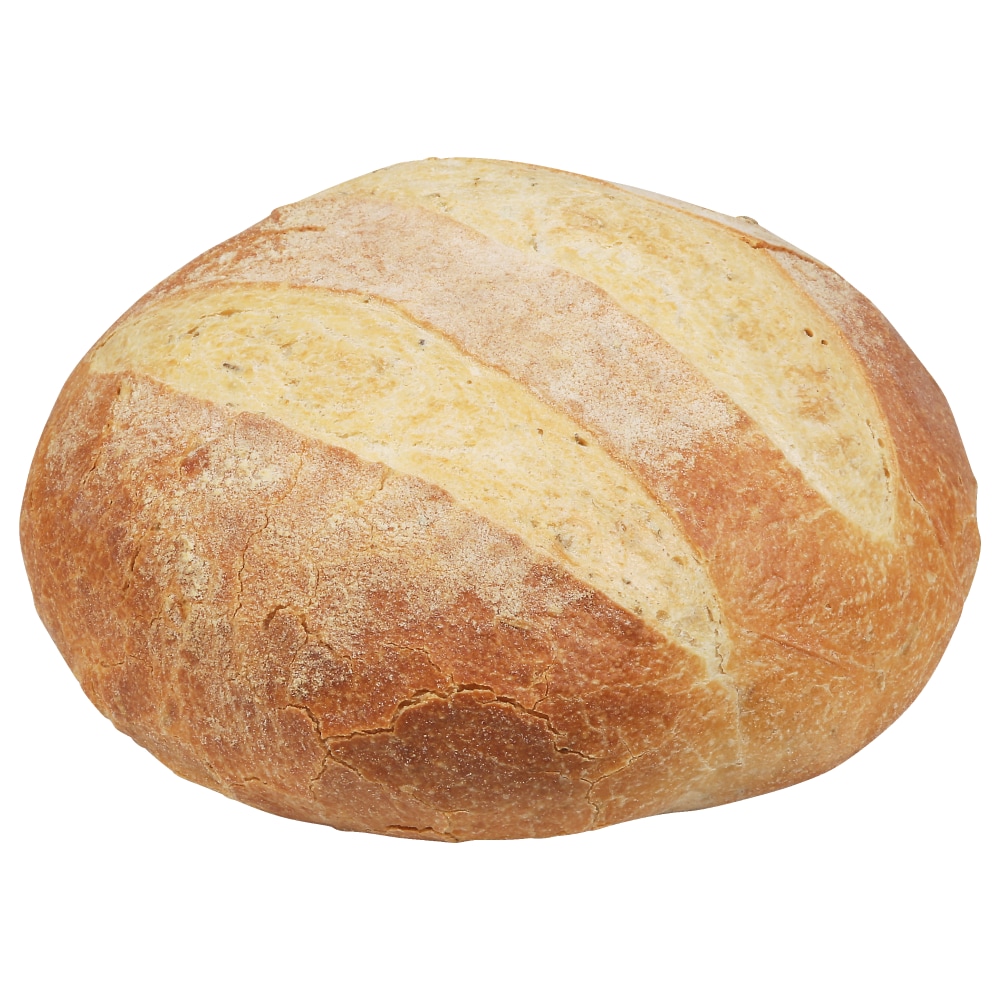
The Rosemary Boule is made with mostly wholesome ingredients, including olive oil, sea salt, honey, and rosemary, which contribute beneficial nutrients and flavors. The bread is processed, but it avoids harmful additives and seed oils, maintaining a relatively clean label. The presence of unbleached wheat flour and minimal processing keeps it in a healthier range compared to more heavily processed breads.
Key ingredients 10
Olive oilGood
Olive oil is a healthy fat known for its monounsaturated fatty acids. It supports heart health and has anti-inflammatory properties. The oil also adds flavor and moisture to the bread.
Benefits
Rich in monounsaturated fats that support heart health and provide anti-inflammatory properties.
Sea saltGood
Sea salt is a natural source of sodium and trace minerals. It enhances the flavor of the bread without the additives found in table salt. Its unrefined nature retains beneficial minerals.
Risks
Excessive sodium intake can lead to health issues such as hypertension.
Benefits
Provides essential sodium and trace minerals, enhancing flavor naturally.
HoneyGood
Honey is a natural sweetener with antioxidant properties. It adds a mild sweetness and helps retain moisture in the bread. Unlike refined sugars, honey offers some nutritional benefits.
Risks
High sugar content can contribute to health issues if consumed in excess.
Benefits
Contains antioxidants and provides a natural sweetness with some nutritional benefits.
RosemaryGood
Rosemary is an herb that adds flavor and aroma to the bread. It contains antioxidants and has potential anti-inflammatory properties. Its use enhances the sensory experience of the product.
Benefits
Rich in antioxidants and adds a distinctive flavor and aroma.
Ascorbic acidGood
Vitamin C — beneficial even when serving as a preservative.
Benefits
Improves dough strength and enhances yeast activity.
Unbleached wheat flourNeutral
Unbleached wheat flour is a common base for bread, providing structure and carbohydrates. It is less processed than bleached flour, retaining more nutrients. However, it lacks the fiber and nutrients found in whole grain flours.
Risks
May cause gluten-related issues for individuals with celiac disease or gluten sensitivity.
Benefits
Provides carbohydrates for energy and is a staple ingredient in many baked goods.
Filtered waterNeutral
Filtered water is used to hydrate the dough and activate yeast. It is free from impurities that could affect the flavor or texture of the bread. It is a standard ingredient with no nutritional impact.
Benefits
Essential for dough formation and yeast activation.
Potato flourNeutral
Potato flour is used to improve the texture and moisture retention of bread. It is gluten-free and adds a unique flavor profile. However, it does not significantly contribute to the nutritional value of the bread.
Benefits
Enhances texture and moisture retention in baked goods.
YeastNeutral
Yeast is essential for leavening bread, creating a light and airy texture. It ferments sugars to produce carbon dioxide, which helps the dough rise. It is a standard ingredient with no direct nutritional impact.
Benefits
Essential for leavening and contributes to the bread's texture.
Malted barley flourNeutral
Malted barley flour is used to enhance flavor and improve fermentation. It contains enzymes that break down starches into sugars, aiding yeast activity. It is a minor ingredient with limited nutritional impact.
Benefits
Improves fermentation and adds flavor complexity.
Processing
Processed Foods
Get the full breakdown in the Scout appTake Scout shopping
Scan any product to see lab results, healthy alternatives, and your personalized analysis.
Download on theApp Store GET IT ONGoogle Play