


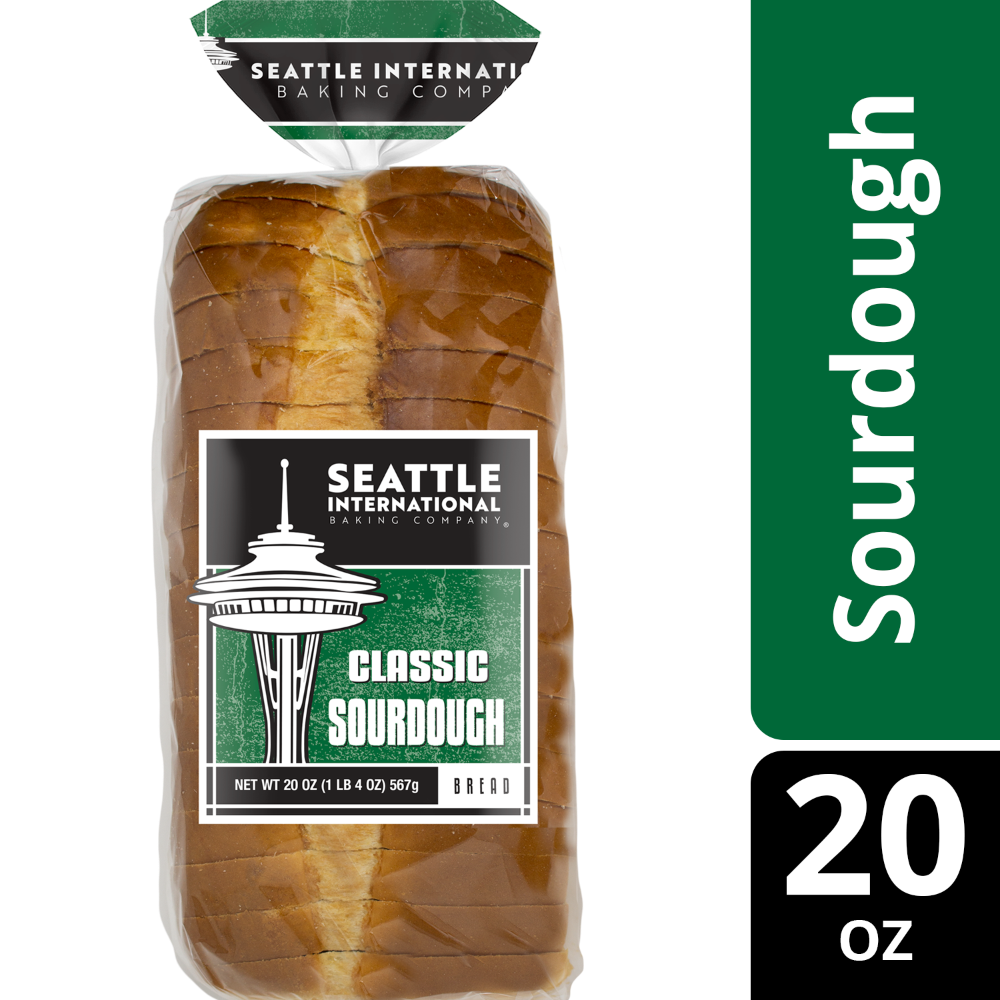


Honey Bread
Summary
This bread contains a mix of beneficial and less desirable ingredients. The presence of whole wheat flour, honey, and wheat fiber adds nutritional value and fiber, which are positive aspects. However, the use of enriched flour, which is refined and lacks the nutrients of whole grains, detracts from its overall healthiness. The product is moderately processed, which limits its score despite some healthy components.
At a glance
Key ingredients 9
Enriched flourBad
Enriched flour is refined and lacks the fiber and nutrients found in whole grains. It is often fortified with synthetic vitamins to replace lost nutrients. The refining process can lead to rapid spikes in blood sugar levels.
Risks
May contribute to blood sugar spikes and lacks the nutritional benefits of whole grains.
Benefits
Provides a source of carbohydrates and energy but lacks significant nutritional benefits.
WaterNeutral
Water is a neutral ingredient used as a solvent and to provide moisture. It does not contribute any calories or nutrients. It is essential for the dough formation process.
Benefits
Essential for hydration and dough consistency.
YeastGood
Yeast is a natural leavening agent that helps bread rise. It contributes to the development of flavor and texture in baked goods. It also provides some B vitamins and minerals.
Benefits
Contributes to the fermentation process, enhancing flavor and texture.
HoneyGood
Honey is a natural sweetener with antioxidant properties. It contains trace amounts of vitamins and minerals. It is less processed than refined sugars and can provide a unique flavor profile.
Risks
High in sugars, which can contribute to calorie intake if consumed in excess.
Benefits
Provides natural sweetness and contains antioxidants.
Whole wheat flourGood
Whole wheat flour retains the bran and germ, providing fiber and nutrients. It is less processed than white flour and supports digestive health. It also contributes to a lower glycemic index compared to refined flour.
Risks
May cause digestive issues for those with gluten intolerance.
Benefits
Rich in fiber and nutrients, supporting digestive health and providing sustained energy.
SaltNeutral
Salt is used to enhance flavor and control yeast activity in bread. It is a common ingredient in baking but should be consumed in moderation. Excessive intake can lead to health issues like hypertension.
Risks
Excessive consumption can contribute to high blood pressure.
Benefits
Enhances flavor and helps control yeast fermentation.
Wheat fibreGood
Wheat fiber is added to increase the dietary fiber content of the bread. It supports digestive health and can aid in maintaining healthy blood sugar levels. It is a beneficial addition to refined flour products.
Benefits
Increases dietary fiber content, supporting digestive health.
Oat proteinNeutral
Oat protein is a plant-based protein source that can enhance the nutritional profile of bread. It is less complete than animal proteins but provides essential amino acids. It is suitable for those seeking plant-based protein options.
Risks
May not provide a complete amino acid profile compared to animal proteins.
Benefits
Provides plant-based protein and essential amino acids.
FlourNeutral
Flour is a staple ingredient in bread, providing structure and texture. It is typically refined, which reduces its nutritional content. It serves as a primary carbohydrate source in baked goods.
Risks
May contribute to blood sugar spikes if consumed in excess.
Benefits
Provides carbohydrates and energy but lacks significant nutritional benefits.
Processing
Processed Foods
Get the full breakdown in the Scout app
Scan any product to see lab results, healthy alternatives, and your personalized analysis.
Download on theApp Store