


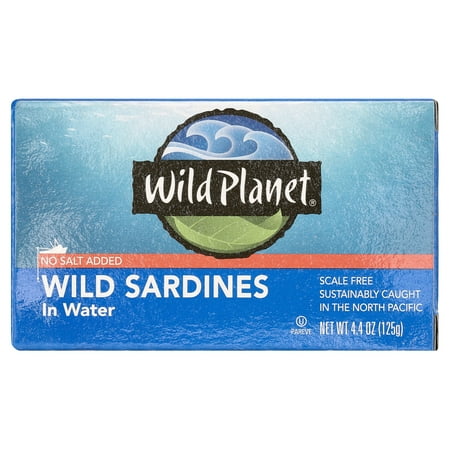
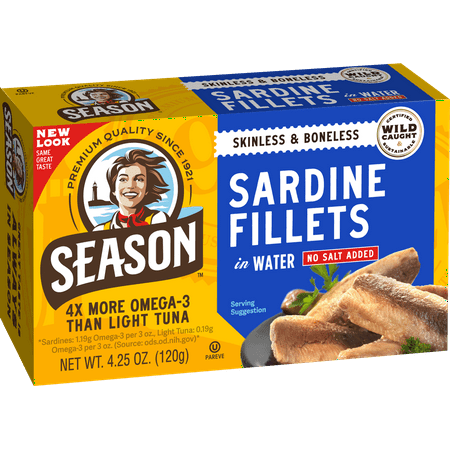
Sardines
Near you
Aldi is carried at Aldi stores. Find one within 25 miles.
Summary
This product contains beneficial ingredients like sardines, which are a good source of protein and omega-3 fatty acids. However, it is heavily processed with additives such as maltodextrin, modified corn starch, and polysorbate 80, which detract from its nutritional value. The presence of these processed ingredients and the overall high level of processing limit its healthiness despite the presence of some nutritious components.
At a glance
Key ingredients 11
SardinesVery Good
Sardines are a high-quality source of protein and omega-3 fatty acids. They provide essential nutrients such as vitamin D and calcium, especially when consumed with bones. As a whole food, they are minimally processed and offer numerous health benefits.
Benefits
Rich in omega-3 fatty acids that support heart and brain health. High in protein and essential nutrients like vitamin D and calcium.
WaterNeutral
Water is used as a medium for canning and preserving the sardines. It helps maintain moisture and texture in the product. As a neutral ingredient, it does not contribute additional nutrients or risks.
See more about Water →MaltodextrinBad
Maltodextrin is a highly processed carbohydrate used as a thickener or filler. It has a high glycemic index, which can cause rapid spikes in blood sugar levels. Its use in processed foods is often to improve texture or shelf life rather than nutritional value.
Risks
May cause rapid spikes in blood sugar levels, which can be concerning for individuals with insulin sensitivity or diabetes.
Acetic AcidNeutral
Acetic acid is used as a preservative and flavoring agent in canned foods. It is the main component of vinegar and helps to inhibit bacterial growth. While it contributes to the tangy flavor, it does not provide significant nutritional benefits.
See more about Acetic Acid →SaltNeutral
Salt is used for flavor enhancement and preservation in canned foods. It helps to extend shelf life by inhibiting microbial growth. However, excessive consumption of salt can lead to health issues such as hypertension.
Risks
Excessive salt intake can contribute to high blood pressure and cardiovascular issues.
Benefits
Enhances flavor and acts as a preservative in food products.
PaprikaGood
Paprika is a spice made from ground peppers, providing flavor and color to foods. It contains antioxidants and vitamins such as vitamin A and E. As a natural ingredient, it enhances the nutritional profile of the product.
Benefits
Contains antioxidants and vitamins that support overall health.
Modified Corn StarchBad
Modified corn starch is a processed carbohydrate used as a thickening agent. It is often chemically altered to improve texture and stability in processed foods. Its nutritional value is minimal, and it can contribute to increased calorie intake without added nutrients.
Risks
May contribute to increased calorie intake without providing significant nutrients.
Spice ExtractivesNeutral
Spice extractives are concentrated forms of spices used to enhance flavor. They are typically used in small amounts and do not significantly alter the nutritional profile of the product. Their impact is primarily sensory rather than nutritional.
Benefits
Enhances flavor without adding significant calories or nutrients.
Xanthan GumNeutral
Xanthan gum is a polysaccharide used as a thickening and stabilizing agent in foods. It is produced through fermentation and helps improve texture and consistency. While it is generally safe, it does not provide nutritional benefits.
Benefits
Improves texture and consistency in food products.
Polysorbate 80Bad
Polysorbate 80 is an emulsifier used to improve texture and stability in processed foods. It is a synthetic compound that can cause digestive issues in some individuals. Its use is primarily functional, with no nutritional benefits.
Risks
May cause digestive issues or allergic reactions in sensitive individuals.
Caramel ColorBad
Caramel color is a food coloring agent used to enhance the appearance of foods. It is created through the controlled heating of carbohydrates, which can produce potentially harmful byproducts. Its use is purely aesthetic, with no nutritional benefits.
Risks
May contain potentially harmful byproducts such as 4-MEI, which is a concern for some health organizations.
Processing
Ultra-Processed Foods
Get the full breakdown in the Scout app
Scan any product to see lab results, healthy alternatives, and your personalized analysis.
Download on theApp Store