

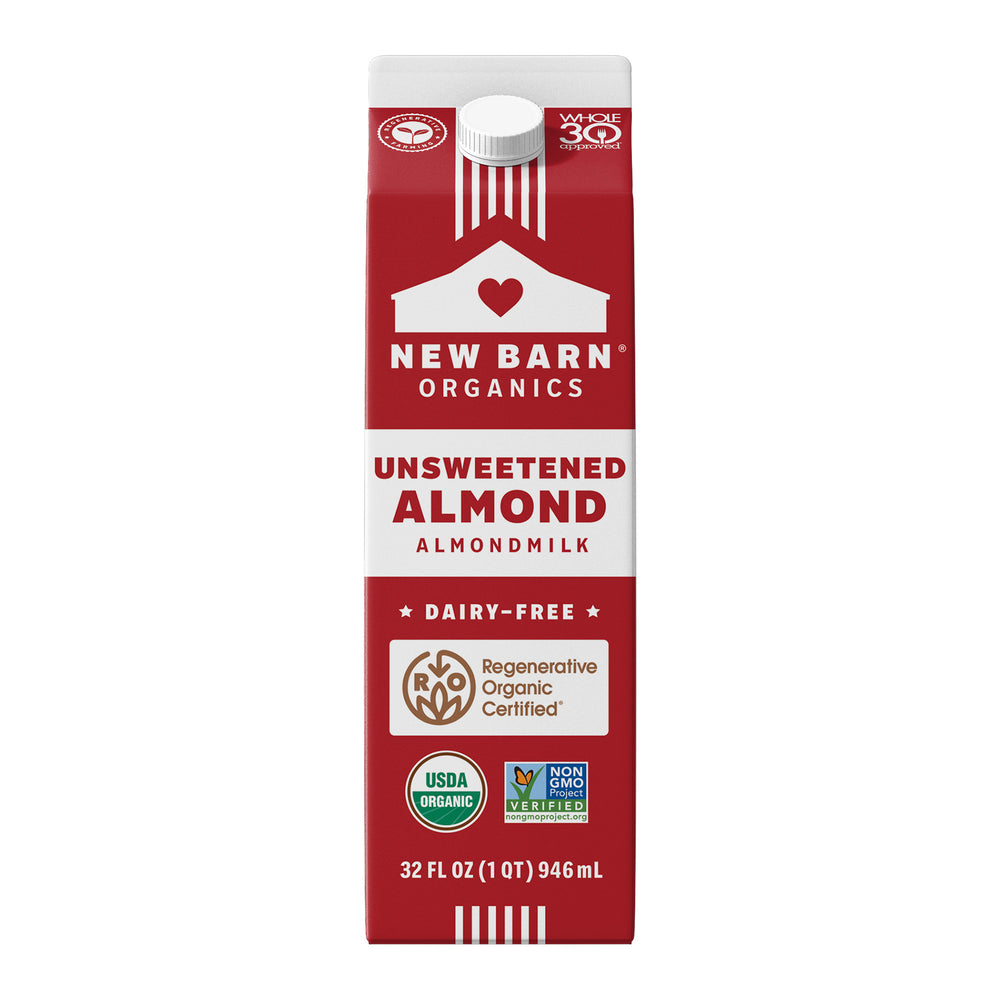


Almondmilk Almond Original
Summary
This almond milk is fortified with beneficial vitamins and minerals, enhancing its nutritional profile. However, it contains sunflower lecithin, which is a seed oil, and multiple additives like gums and emulsifiers, contributing to its high processing level. Despite its low sugar content and healthy fat profile, the presence of these additives and the ultra-processed nature of the product limit its overall healthiness.
At a glance
Key ingredients 9
AlmondmilkGood
Almondmilk is a plant-based milk alternative that is low in calories and contains healthy fats. It is made from almonds and filtered water, providing a dairy-free option for those with lactose intolerance. The almonds contribute to its nutritional profile, offering vitamin E and healthy monounsaturated fats.
Benefits
Rich in vitamin E and healthy fats, supporting heart health and providing antioxidant properties.
Tricalcium PhosphateGood
Tricalcium phosphate is used to fortify plant-based milks with calcium, which is essential for bone health. It is a common additive in non-dairy products to ensure adequate calcium intake. This ingredient helps mimic the nutritional profile of cow's milk.
Risks
Excessive intake may lead to hypercalcemia, but this is unlikely in typical consumption.
Benefits
Provides a source of calcium, supporting bone health and preventing deficiencies.
Sea SaltGood
Unrefined sea salt — a minimally processed, natural source of sodium and essential trace minerals, and a legitimate whole-food seasoning. Treated as a positive ingredient.
Risks
Excessive sodium intake can lead to hypertension and cardiovascular issues.
Benefits
Contains trace minerals that may contribute to overall mineral intake.
Gellan GumNeutral
Gellan gum is a gelling agent used to stabilize and thicken plant-based milks. It is derived from bacterial fermentation and is considered safe for consumption. It helps maintain the consistency of the product.
Benefits
Improves texture and stability of the product without significant nutritional impact.
Sunflower LecithinVery Bad
Sunflower lecithin is an emulsifier derived from sunflower seeds, often used to improve texture and blend ingredients. Despite being a natural emulsifier, it is classified as a seed oil, which is high in omega-6 fatty acids. Excessive omega-6 intake can disrupt the omega-3 to omega-6 balance, potentially promoting inflammation.
Risks
High omega-6 content may promote inflammation when consumed in excess.
Locust Bean GumNeutral
Locust bean gum is a natural thickener derived from carob seeds, used to improve texture and stability. It is considered safe and is commonly used in food products. It helps maintain the desired consistency of the beverage.
Benefits
Provides texture and stability without significant nutritional impact.
Vitamin A PalmitateGood
Vitamin A palmitate is a form of vitamin A used to fortify foods, supporting vision and immune function. It is added to plant-based milks to enhance their nutritional profile. This fortification helps meet daily vitamin A requirements.
Risks
Excessive intake can lead to hypervitaminosis A, but this is rare with typical consumption.
Benefits
Supports vision and immune health by providing essential vitamin A.
Ergocalciferol (Vitamin D2)Good
Ergocalciferol, or vitamin D2, is used to fortify plant-based milks, aiding in calcium absorption and bone health. It is a plant-derived form of vitamin D, suitable for vegans. This fortification helps prevent vitamin D deficiency, especially in individuals with limited sun exposure.
Risks
Excessive intake can lead to hypercalcemia, but this is unlikely with typical consumption.
Benefits
Enhances calcium absorption and supports bone health, preventing deficiencies.
DL-alpha Tocopherol Acetate (Vitamin E)Good
DL-alpha tocopherol acetate is a form of vitamin E used to fortify foods, providing antioxidant benefits. It helps protect cells from oxidative damage and supports immune function. This fortification enhances the nutritional value of the product.
Benefits
Provides antioxidant benefits and supports immune health.
Processing
Ultra-Processed Foods
Get the full breakdown in the Scout app
Scan any product to see lab results, healthy alternatives, and your personalized analysis.
Download on theApp Store