


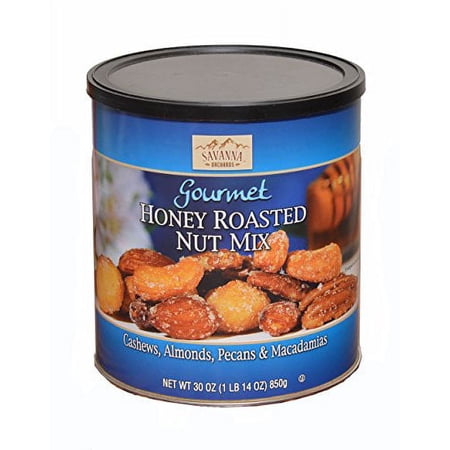


At a glance
Summary
This product contains nutrient-rich cashews, which are beneficial for heart health and provide essential minerals. However, the addition of refined sugar and maltodextrin, both of which are highly processed and lack nutritional benefits, detracts from its overall healthiness. The unspecified oil raises concerns due to the potential use of seed oils, which are often highly processed and may promote inflammation.
Key ingredients 7
CashewsGood
Cashews are a nutrient-dense nut rich in healthy fats, protein, and essential minerals. They provide monounsaturated fats that support heart health and contain antioxidants. Cashews are minimally processed, retaining their nutritional benefits.
Risks
Cashews can be allergenic for some individuals, potentially causing allergic reactions.
Benefits
Rich in monounsaturated fats, protein, and essential minerals like magnesium and zinc, supporting overall health.
HoneyGood
Traditional whole-food sweetener with trace enzymes and antioxidants.
Risks
Excessive consumption can contribute to high sugar intake and related health issues.
Benefits
Contains antioxidants and trace nutrients, offering a more natural alternative to refined sugar.
RiceNeutral
Rice is a staple carbohydrate source that provides energy. It is minimally processed and generally well-tolerated. While it offers some nutrients, it is primarily a source of carbohydrates.
Benefits
Provides a source of carbohydrates for energy.
SaltNeutral
Salt is used to enhance flavor and preserve food. It is a source of sodium, which is essential for fluid balance and nerve function. However, excessive intake can lead to health issues such as hypertension.
Risks
Excessive consumption can contribute to high blood pressure and cardiovascular issues.
Benefits
Provides essential sodium for maintaining fluid balance and nerve function.
SugarBad
Refined sugar is a high-calorie ingredient with no essential nutrients, contributing to empty calorie intake. Excessive consumption can lead to health issues such as obesity and dental problems. It is often added to enhance sweetness but lacks nutritional benefits.
Risks
High intake of refined sugar can increase the risk of obesity, type 2 diabetes, and dental cavities.
MaltodextrinBad
Maltodextrin is a highly processed carbohydrate used as a thickener or filler. It has a high glycemic index, which can spike blood sugar levels. It is often used in processed foods and lacks nutritional benefits.
Risks
May cause rapid spikes in blood sugar levels, which can be a concern for individuals with insulin sensitivity.
OilVery Bad
The unspecified oil could potentially be a seed oil, which is high in omega-6 fatty acids and may promote inflammation. Seed oils are often highly processed, which can degrade their nutritional quality. Without specific identification, it is classified negatively due to potential health concerns.
Risks
High omega-6 content may promote inflammation when consumed in excess.
Processing
Processed Foods
Get the full breakdown in the Scout appTake Scout shopping
Scan any product to see lab results, healthy alternatives, and your personalized analysis.
Download on theApp Store GET IT ONGoogle Play