


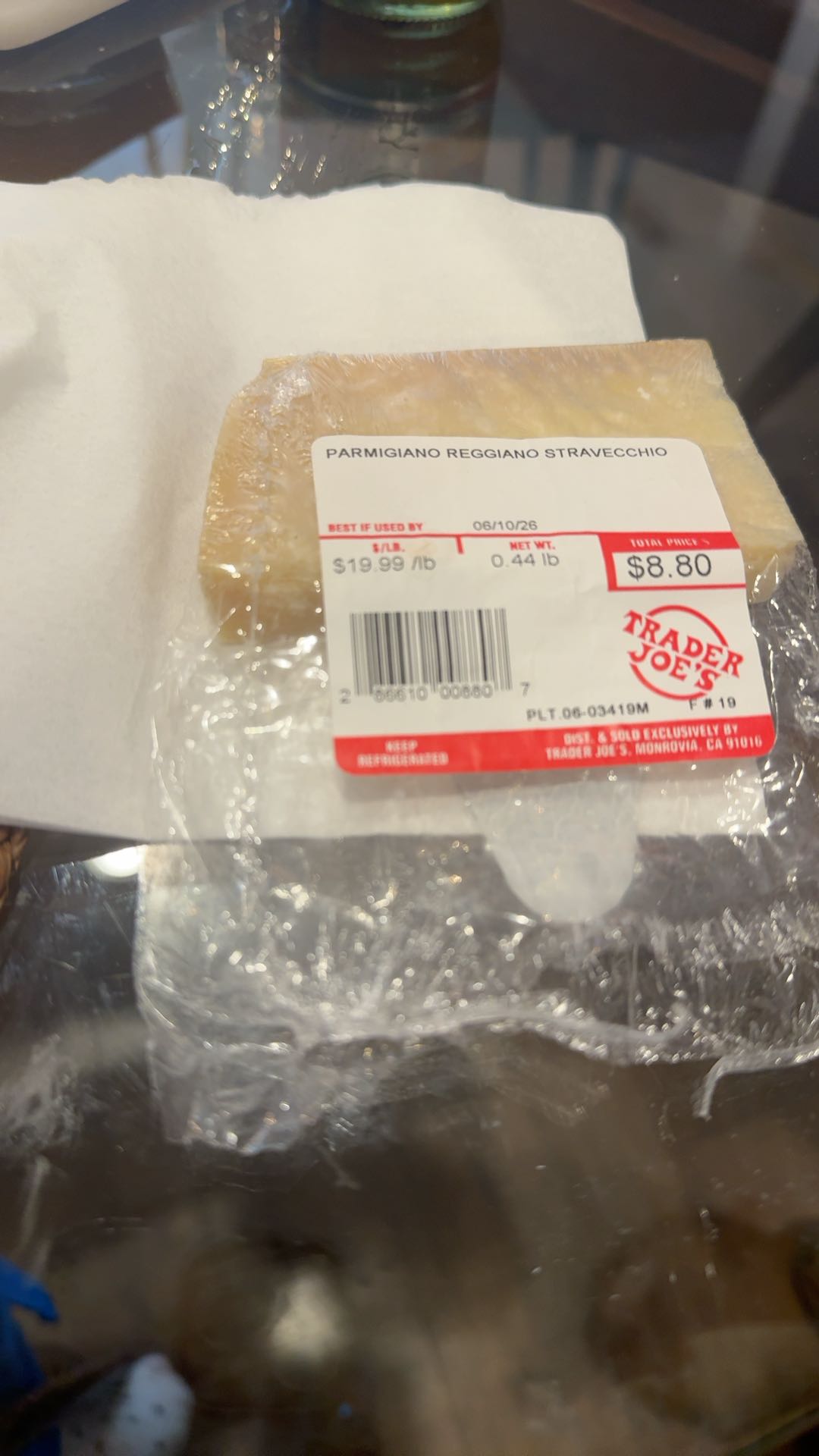
At a glance
Summary
This cheese is processed but maintains a clean ingredient list, primarily consisting of cheese matured in brine and cow's milk. The traditional brining method enhances flavor and preserves the cheese naturally, with minimal additives. Despite its processing level, the absence of harmful ingredients and the use of natural fermentation contribute positively to its score.
Key ingredients 2
Cheese matured in brineGood
Cheese matured in brine is a traditional method that enhances flavor and preserves the cheese naturally. This process typically involves minimal additives, focusing on natural fermentation. The brining process can also contribute to the cheese's unique texture and taste.
Risks
High sodium content due to the brining process may be a concern for individuals with hypertension or those on a low-sodium diet.
Benefits
Provides a rich source of calcium and protein, essential for bone health and muscle maintenance. The fermentation process may also support gut health by promoting beneficial bacteria.
Cow's milkNeutral
Cow's milk is a primary ingredient in cheese production, providing essential nutrients like calcium and protein. The quality of milk can vary based on the cow's diet and farming practices. Conventional milk may contain traces of antibiotics or hormones unless specified as organic or grass-fed.
Risks
Potential allergens for individuals with lactose intolerance or milk protein allergies.
Benefits
Rich in calcium and protein, supporting bone health and muscle function. Contains vitamins like B12 and riboflavin, important for energy metabolism.
Processing
Processed Foods
Get the full breakdown in the Scout appTake Scout shopping
Scan any product to see lab results, healthy alternatives, and your personalized analysis.
Download on theApp Store GET IT ONGoogle Play