


At a glance
Summary
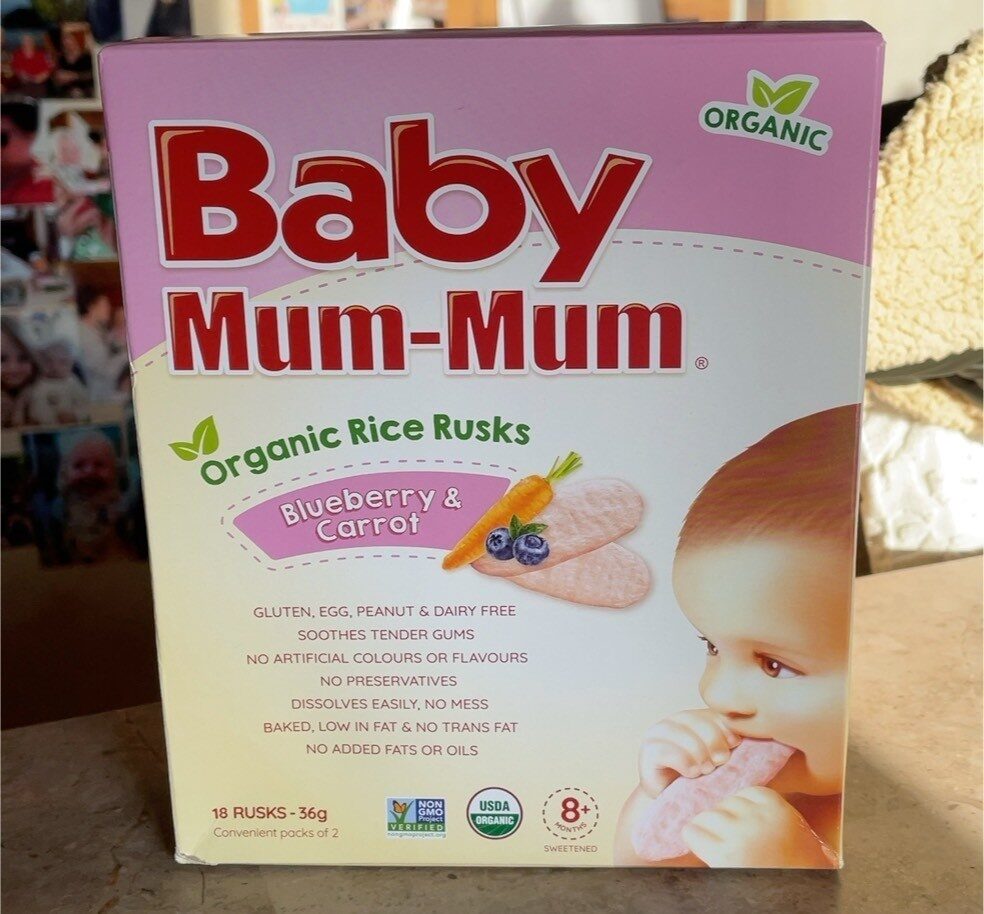
This product contains organic ingredients, which is a positive aspect, and includes beneficial components like organic jasmine rice flour and organic strawberry powder. However, it also contains organic sugar, which is a refined sweetener contributing to calorie intake without essential nutrients, and natural flavor, which lacks transparency and may be highly processed. The processing level of this product limits its score, despite the organic certification.
Key ingredients 7
Organic Jasmine Rice FlourGood
Organic jasmine rice flour is a minimally processed ingredient providing carbohydrates for energy. Being organic, it is free from synthetic pesticides and fertilizers. It is a gluten-free option suitable for those with gluten sensitivities.
Benefits
Provides a source of energy and is suitable for gluten-free diets.
Organic Strawberry PowderGood
Organic strawberry powder provides natural flavor and some nutritional benefits from strawberries. It is made by drying and grinding strawberries, retaining some vitamins and antioxidants. The organic certification ensures it is free from synthetic pesticides.
Benefits
Contains antioxidants and vitamins from strawberries, contributing to overall health.
Organic Tapioca StarchNeutral
Organic tapioca starch is a refined carbohydrate used as a thickening agent. It is derived from the cassava root and is gluten-free. While it provides energy, it lacks significant nutritional value.
Benefits
Provides a gluten-free thickening option for various food products.
SaltNeutral
Salt is used to enhance flavor but provides no significant nutritional benefits. It is a refined ingredient that can contribute to high sodium intake if consumed in excess. Moderation is key to avoiding potential health issues related to high sodium consumption.
Risks
Excessive sodium intake can lead to hypertension and cardiovascular issues.
Natural Mixed TocopherolsNeutral
Natural mixed tocopherols are used as antioxidants to preserve freshness, derived from vitamin E. They help prevent oxidation in food products, extending shelf life. While beneficial for preservation, they provide minimal nutritional benefits in small quantities.
Benefits
Helps preserve freshness and prevent oxidation in food products.
Organic SugarBad
Organic sugar is a refined sweetener that can contribute to increased calorie intake without providing essential nutrients. Despite being organic, it still poses the same health risks as conventional sugar. Excessive consumption can lead to health issues such as obesity and dental problems.
Risks
High sugar intake is associated with obesity, diabetes, and dental issues.
Natural FlavorBad
Natural flavor is a catch-all term for flavoring agents derived from natural sources but can be highly processed. It lacks transparency regarding its specific components and potential allergens. The use of natural flavors can mask the quality of the underlying ingredients.
Risks
Potential allergens and lack of transparency in ingredient composition.
Processing
Processed Foods
Get the full breakdown in the Scout appTake Scout shopping
Scan any product to see lab results, healthy alternatives, and your personalized analysis.
Download on theApp Store GET IT ONGoogle Play