


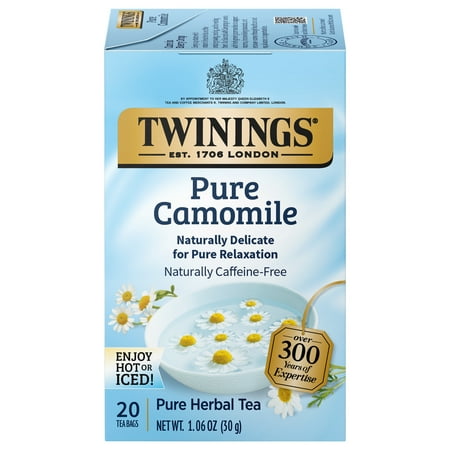
At a glance
Summary
This herbal tea contains a variety of beneficial natural ingredients like Mesona chinensis and Chrysanthemum, which are known for their antioxidant and anti-inflammatory properties. However, the relatively high sugar content is a concern, as it can contribute to health issues if consumed excessively. The product is moderately processed, which limits its score despite the presence of beneficial ingredients.
Key ingredients 9
Mesona chinensisGood
Mesona chinensis, also known as grass jelly, is a plant used for its potential antioxidant properties. It is traditionally used in herbal medicine and may help in reducing inflammation. The ingredient is minimally processed, retaining its natural benefits.
Benefits
Contains antioxidants that may help reduce inflammation and support overall health.
Plumeria rubraGood
Plumeria rubra is known for its fragrant flowers and potential medicinal properties. It may have anti-inflammatory and antioxidant effects, contributing positively to health. The ingredient is used in traditional medicine and is considered beneficial.
Benefits
May provide anti-inflammatory and antioxidant benefits.
Microcos paniculataGood
Microcos paniculata is a plant known for its potential health benefits, including antioxidant and anti-inflammatory properties. It is used in traditional medicine to support digestive health. The ingredient is natural and minimally processed.
Benefits
Offers antioxidant and anti-inflammatory benefits, supporting digestive health.
ChrysanthemumGood
Chrysanthemum is a flower used in herbal teas for its soothing and anti-inflammatory properties. It is rich in antioxidants and may help in reducing stress and promoting relaxation. The ingredient is natural and widely used in traditional medicine.
Benefits
Rich in antioxidants and may promote relaxation and reduce stress.
Lonicera japonicaGood
Lonicera japonica, or Japanese honeysuckle, is known for its potential anti-inflammatory and antimicrobial properties. It is used in traditional medicine to support immune health. The ingredient is natural and beneficial.
Benefits
May provide anti-inflammatory and antimicrobial benefits, supporting immune health.
Prunella vulgarisGood
Prunella vulgaris, also known as self-heal, is a herb with potential health benefits, including antioxidant and anti-inflammatory effects. It is used in traditional medicine to support overall health. The ingredient is natural and minimally processed.
Benefits
Offers antioxidant and anti-inflammatory benefits, supporting overall health.
LiquoriceGood
Liquorice is a root known for its sweet flavor and potential health benefits, including anti-inflammatory and immune-boosting properties. It is used in traditional medicine and can help soothe digestive issues. The ingredient is natural and beneficial.
Risks
Excessive consumption may lead to increased blood pressure and other health issues.
Benefits
Provides anti-inflammatory and immune-boosting benefits, and may soothe digestive issues.
WaterNeutral
Water is a neutral ingredient that serves as the base for the beverage. It does not contribute any calories or nutrients but is essential for hydration. The quality of water can vary, but it generally poses no health risks in a processed beverage.
See more about Water →SugarBad
Sugar is classified as a bad ingredient due to its high caloric content and contribution to excessive sugar intake. It can lead to health issues such as obesity, diabetes, and dental problems when consumed in large amounts. The sugar content in this product is relatively high, which is a concern for regular consumption.
Risks
Excessive sugar intake can lead to obesity, type 2 diabetes, and dental cavities.
Processing
Processed Foods
Get the full breakdown in the Scout appTake Scout shopping
Scan any product to see lab results, healthy alternatives, and your personalized analysis.
Download on theApp Store GET IT ONGoogle Play