



At a glance
Summary
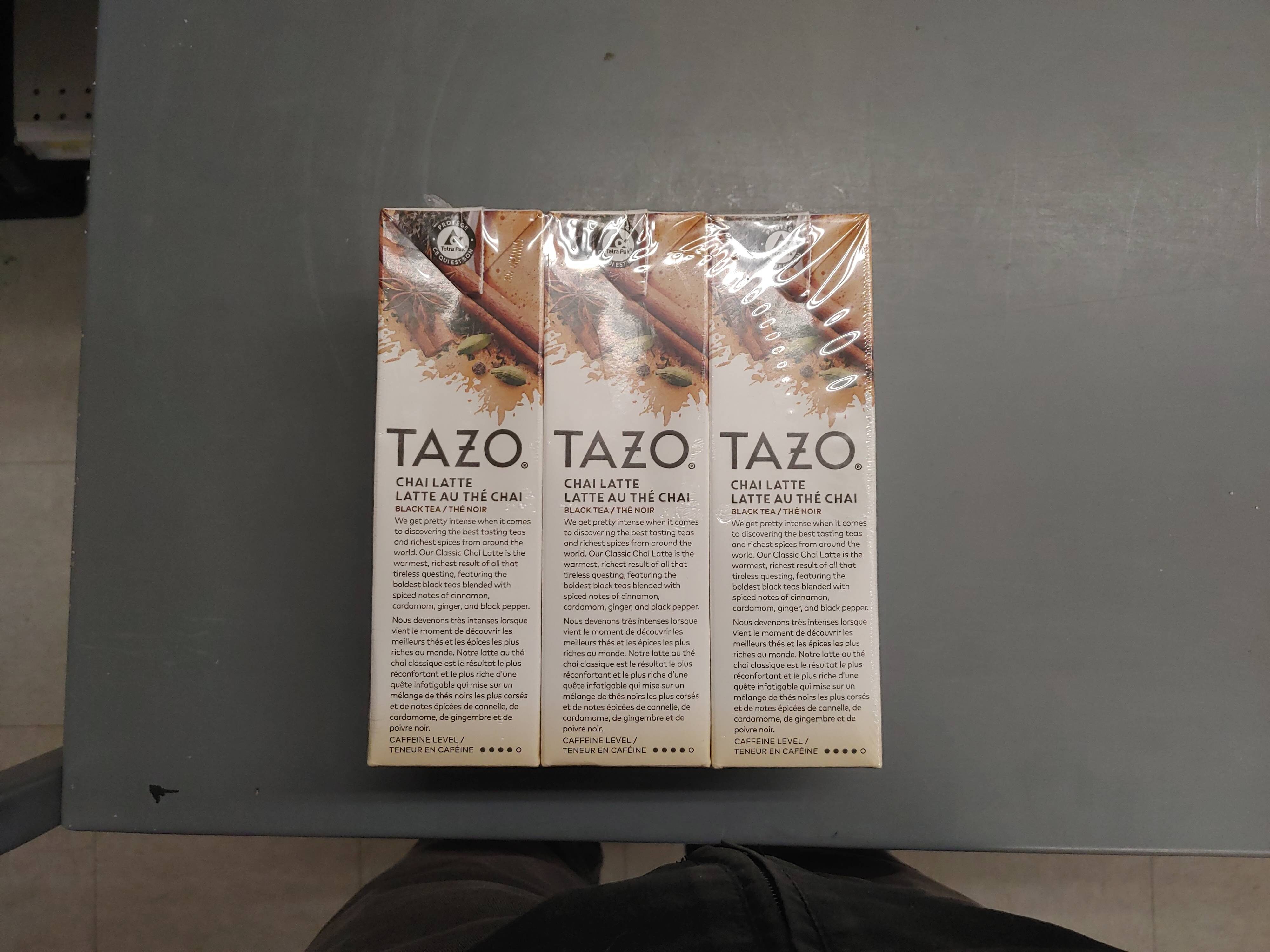
This chai latte contains a variety of beneficial spices like ginger, cardamom, and cinnamon, which offer antioxidant and anti-inflammatory properties. However, the presence of 'natural flavors' introduces some concerns due to the lack of transparency about their specific components. Additionally, the product is moderately processed, which limits its score despite the overall clean ingredient list.
Key ingredients 13
Black TeaVery Good
Black tea is rich in antioxidants, particularly flavonoids, which can support heart health and reduce inflammation. It contains caffeine, which can enhance alertness and cognitive function. The polyphenols in black tea may also support gut health.
Risks
Excessive consumption may lead to caffeine-related side effects such as insomnia or increased heart rate.
Benefits
Contains antioxidants that may reduce the risk of chronic diseases and improve overall health.
GingerVery Good
Ginger is known for its anti-inflammatory and antioxidant properties, which can help reduce nausea and improve digestion. It contains gingerol, which has been linked to various health benefits. Ginger may also help in reducing muscle pain and soreness.
Risks
Excessive consumption may cause heartburn or stomach upset.
Benefits
Supports digestive health and reduces inflammation.
Black PepperGood
Black pepper contains piperine, which can enhance nutrient absorption and has anti-inflammatory properties. It is often used to improve the bioavailability of other nutrients. Piperine may also have antioxidant effects.
Risks
In large amounts, it may cause gastrointestinal irritation.
Benefits
Enhances nutrient absorption and provides anti-inflammatory benefits.
CardamomGood
Cardamom is a spice with antioxidant and diuretic properties, which can aid in detoxification and improve digestion. It may also help in lowering blood pressure. The essential oils in cardamom have antimicrobial effects.
Benefits
May improve digestion and support cardiovascular health.
CinnamonGood
Cinnamon is rich in antioxidants and has anti-inflammatory properties. It may help in regulating blood sugar levels and improving insulin sensitivity. The spice is also known for its antimicrobial properties.
Risks
In large amounts, it may cause liver damage due to coumarin content.
Benefits
Supports blood sugar regulation and provides antioxidant benefits.
ClovesGood
Cloves are high in antioxidants and have anti-inflammatory and antimicrobial properties. They contain eugenol, which can help reduce oxidative stress. Cloves may also support oral health.
Risks
Excessive consumption may cause gastrointestinal irritation.
Benefits
Provides antioxidant and antimicrobial benefits.
Star AniseGood
Star anise is known for its antimicrobial properties and is a source of antioxidants. It contains anethole, which may help in reducing inflammation. Star anise is also used in traditional medicine for its potential health benefits.
Risks
May cause allergic reactions in some individuals.
Benefits
Offers antimicrobial and antioxidant benefits.
HoneyGood
Honey is a natural sweetener with antioxidant and antimicrobial properties. It contains small amounts of vitamins and minerals and can soothe sore throats. Honey is also known for its wound-healing properties.
Risks
Not suitable for infants under one year due to the risk of botulism.
Benefits
Offers antioxidants and has antimicrobial benefits.
Ginger JuiceGood
Ginger juice retains the anti-inflammatory and digestive benefits of ginger. It is a concentrated source of gingerol, which can help reduce nausea and improve digestion. The juice form allows for easy incorporation into beverages.
Risks
Excessive consumption may cause heartburn or stomach upset.
Benefits
Supports digestive health and reduces inflammation.
WaterNeutral
Water is a neutral ingredient that serves as a base for the beverage. It does not contribute any significant nutritional value or health risks. It is essential for hydration but does not impact the nutritional profile of the product.
See more about Water →Citric AcidNeutral
Citric acid is used as a preservative and flavor enhancer in beverages. It is naturally found in citrus fruits and is generally recognized as safe. However, it can contribute to tooth enamel erosion if consumed in large amounts.
Risks
May contribute to tooth enamel erosion with excessive consumption.
Natural FlavorsBad
Natural flavors are often used to enhance taste but lack transparency about their specific components. They can contain a variety of chemicals derived from natural sources. The lack of disclosure can be concerning for individuals with allergies or sensitivities.
Risks
Potential allergens and lack of transparency in ingredient composition.
Cane SugarBad
Processed additive flagged under Scout's ingredient doctrine.
Risks
Excessive consumption can lead to weight gain and increased risk of metabolic disorders.
Benefits
Provides a quick source of energy.
Processing
Processed Foods
Get the full breakdown in the Scout appTake Scout shopping
Scan any product to see lab results, healthy alternatives, and your personalized analysis.
Download on theApp Store GET IT ONGoogle Play