

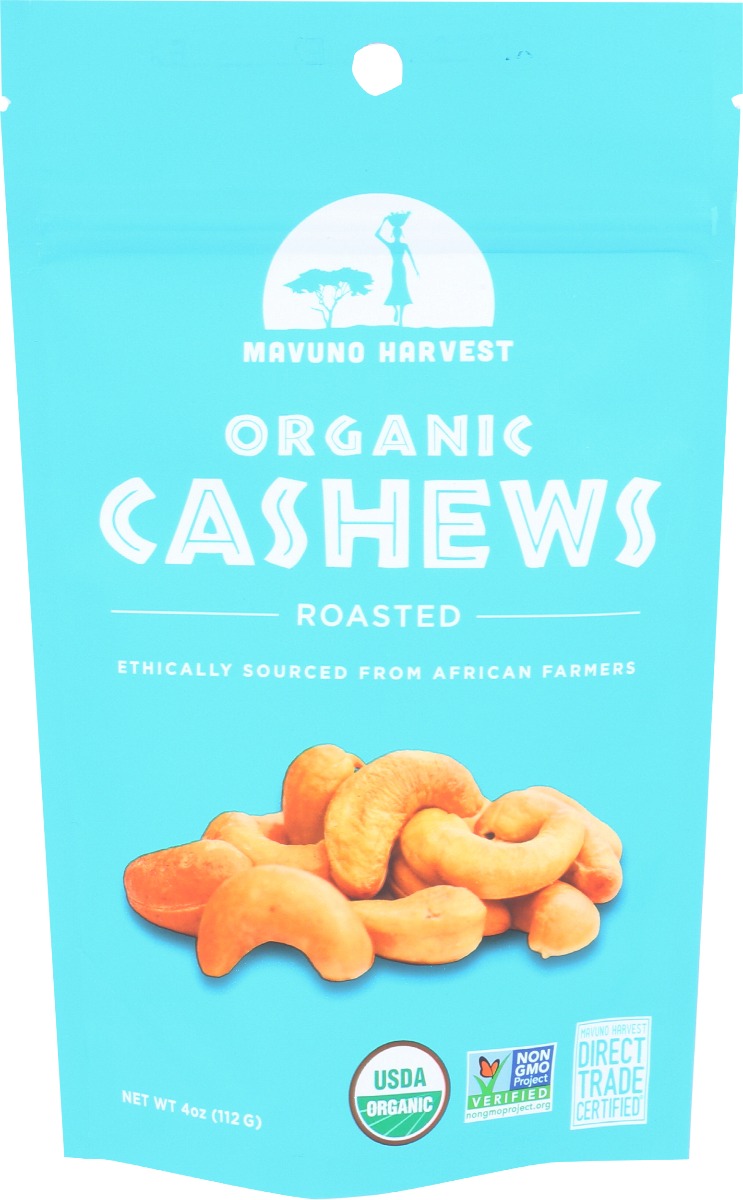
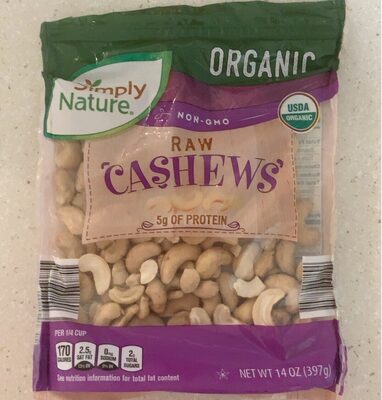

Honey Roasted Cashews
Summary
The product is heavily processed, containing refined sugar, sunflower oil, and glucose syrup, which are associated with negative health impacts such as inflammation and blood sugar spikes. Despite the presence of nutritious cashew nuts, the overall ingredient quality is compromised by the use of seed oils and added sugars. The processing level and presence of additives further limit its healthfulness.
At a glance
Key ingredients 7
Cashew nutsGood
Cashew nuts are a good source of healthy fats, protein, and essential minerals like magnesium and zinc. They are minimally processed and provide a rich nutrient profile. Their consumption supports heart health and provides energy.
Risks
Potential allergen for individuals with nut allergies.
Benefits
Rich in monounsaturated fats and essential nutrients that support heart health and overall wellness.
SugarBad
Refined sugar is associated with increased risk of obesity, diabetes, and heart disease. It is highly processed and offers no nutritional benefits. Excessive consumption can lead to various health issues.
Risks
High intake can contribute to weight gain, insulin resistance, and dental cavities.
Sunflower oilVery Bad
Sunflower oil is a seed oil high in omega-6 fatty acids, which can promote inflammation when consumed in excess. It is often extracted using high heat and chemicals, which can degrade its quality. Compared to healthier oils, it lacks beneficial compounds.
Risks
High omega-6 content may promote inflammation and imbalance omega-3 to omega-6 ratio.
HoneyNeutral
Honey is a natural sweetener that provides some antioxidants and has a lower glycemic index than refined sugar. It is minimally processed when raw and can offer minor health benefits. However, its sugar content should be consumed in moderation.
Risks
Excessive consumption can contribute to high sugar intake and related health issues.
Benefits
Contains antioxidants and may have antimicrobial properties.
Glucose syrupBad
Glucose syrup is a highly processed sweetener derived from corn or wheat, offering no nutritional benefits. It is used to enhance sweetness and texture in foods. Its high glycemic index can lead to rapid spikes in blood sugar levels.
Risks
May contribute to insulin resistance and weight gain when consumed in excess.
SaltNeutral
Salt is used to enhance flavor and preserve food. It is essential for maintaining fluid balance and nerve function. However, excessive intake can lead to hypertension and cardiovascular issues.
Risks
High consumption may increase the risk of high blood pressure and related health problems.
Benefits
Essential for maintaining electrolyte balance and proper cellular function.
Xanthan gumNeutral
Xanthan gum is a polysaccharide used as a stabilizer and thickening agent in foods. It is produced through fermentation and is generally recognized as safe. It can improve texture and consistency in food products.
Risks
May cause digestive discomfort in sensitive individuals when consumed in large amounts.
Benefits
Improves texture and stability of food products without significant health risks.
Processing
Ultra-Processed Foods
Get the full breakdown in the Scout app
Scan any product to see lab results, healthy alternatives, and your personalized analysis.
Download on theApp Store