
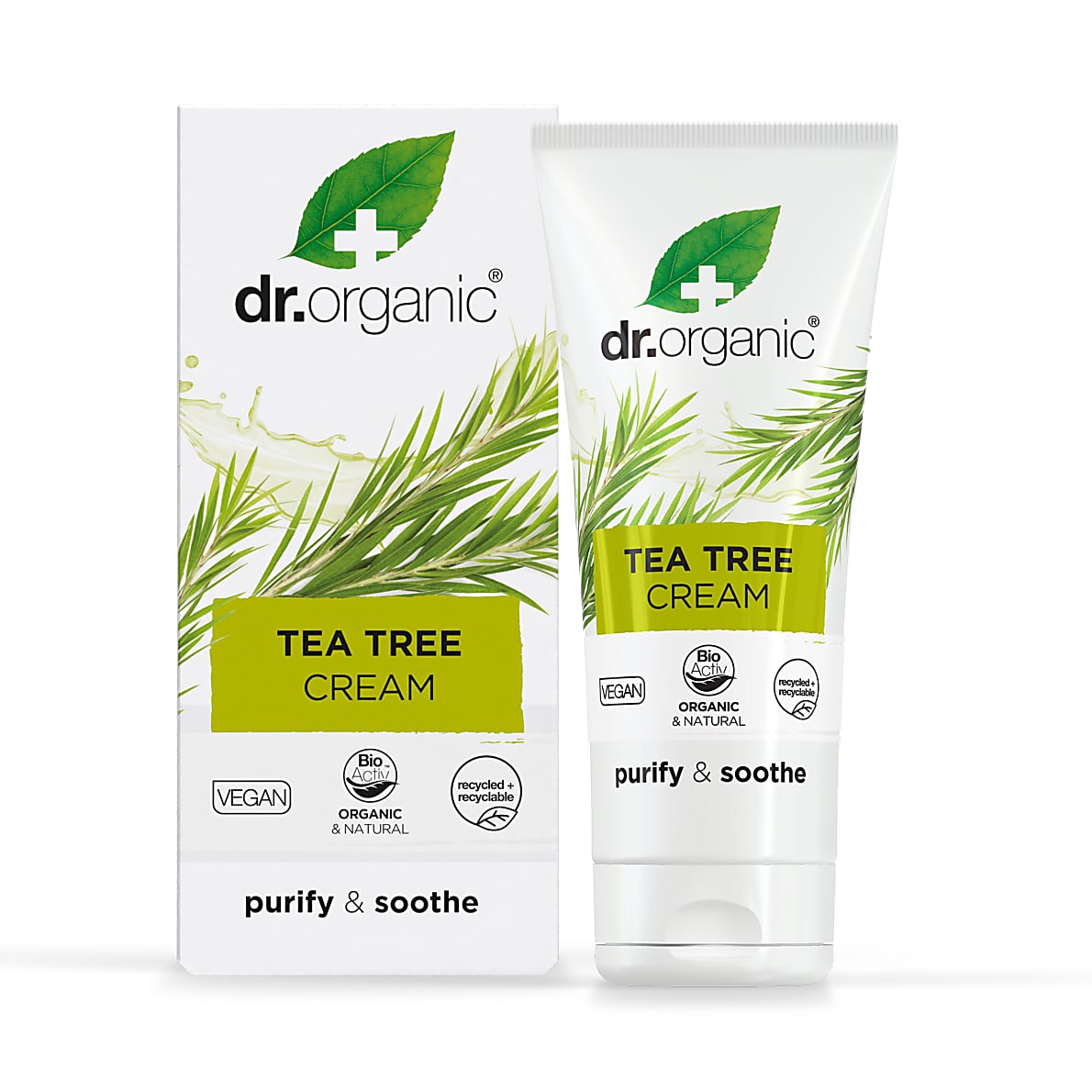
Dr.organic Tea Tree Cream 50ml
Analysis updated August 2026 · How Scout scores
At a glance
Summary
This product contains several beneficial ingredients such as aloe vera, sesame seed oil, cocoa butter, and tea tree oil, which provide moisturizing, anti-inflammatory, and antimicrobial benefits. However, the presence of benzyl alcohol, which can be irritating and is used as a preservative, slightly detracts from its overall safety profile. The product is processed, which limits its maximum potential score despite the predominantly natural ingredient list.
Key ingredients 14
Aloe Barbadensis Leaf GelVery Good
Aloe vera is known for its soothing and moisturizing properties, making it beneficial for skin care. It helps to calm irritated skin and provides hydration. Its natural composition supports skin healing and reduces inflammation.
Risks
There is minimal risk associated with aloe vera, though some individuals may experience allergic reactions.
Benefits
Aloe vera is excellent for soothing sunburns and providing moisture to dry skin.
Sesamum Indicum (Sesame) Seed OilVery Good
Sesame seed oil is rich in antioxidants and essential fatty acids, which help nourish and protect the skin. It has anti-inflammatory properties that can soothe irritated skin. The oil also acts as a natural moisturizer, enhancing skin elasticity.
Risks
Allergic reactions are possible, especially for those with sesame allergies.
Benefits
It provides deep nourishment and helps maintain skin's natural barrier.
Theobroma Cacao (Cocoa) ButterVery Good
Cocoa butter is a natural fat extracted from cocoa beans, known for its emollient properties. It helps to deeply moisturize and improve skin elasticity. Its rich antioxidant content aids in protecting the skin from environmental stressors.
Risks
May cause breakouts in acne-prone skin due to its comedogenic nature.
Benefits
Cocoa butter is excellent for moisturizing and improving skin texture.
Melaleuca Alternifolia (Tea Tree) OilGood
Tea tree oil is renowned for its antimicrobial and anti-inflammatory properties, making it effective in treating acne. It helps reduce redness and swelling associated with skin irritations. Its natural composition supports skin health by combating bacteria.
Risks
Can cause skin irritation or allergic reactions in sensitive individuals.
Benefits
Effective in treating acne and reducing skin inflammation.
Tocopheryl AcetateGood
Tocopheryl acetate is a form of vitamin E, known for its antioxidant properties. It helps protect the skin from free radical damage and supports skin repair. This ingredient also aids in moisturizing and improving skin texture.
Risks
Potential for skin irritation in sensitive individuals.
Benefits
Provides antioxidant protection and enhances skin moisture.
GlycerinGood
Beneficial ingredient — whole-food or functional value in this product class.
Risks
Generally safe, but overuse can lead to a sticky feeling on the skin.
Benefits
Helps retain moisture and improve skin hydration.
AquaNeutral
Water is a common solvent in cosmetic formulations, used to dissolve other ingredients. It helps in the application and absorption of the product. As a base, it supports the consistency and texture of the cream.
Benefits
Essential for dissolving ingredients and providing hydration.
Cetearyl AlcoholNeutral
Cetearyl alcohol is a fatty alcohol used as an emollient and thickener in cosmetics. It helps stabilize formulations and improve texture. Unlike drying alcohols, it is beneficial for skin conditioning.
Risks
Rarely, it may cause irritation in very sensitive skin.
Benefits
Improves product texture and provides emollient properties.
Sodium StearateNeutral
Sodium stearate is a salt of stearic acid, used as a thickener and emulsifier in cosmetics. It helps stabilize formulations and improve consistency. Its role in products is primarily functional, aiding in texture and stability.
Risks
Generally considered safe with low risk of irritation.
Benefits
Contributes to product stability and texture.
Glyceryl StearateNeutral
Glyceryl stearate is an emulsifier that helps blend water and oils in formulations. It provides a smooth texture and enhances the moisturizing properties of the product. Its use in cosmetics is widespread due to its skin conditioning benefits.
Risks
Low risk of irritation, generally safe for most skin types.
Benefits
Improves product texture and enhances moisture retention.
Dehydroacetic AcidNeutral
Dehydroacetic acid is a preservative used to prevent microbial growth in cosmetics. It helps extend the shelf life of products by inhibiting the growth of bacteria and fungi. Its use is regulated to ensure safety in cosmetic formulations.
Risks
Potential for mild irritation in sensitive individuals.
Benefits
Prevents microbial growth, ensuring product safety.
Citric AcidNeutral
Citric acid is used to adjust the pH of cosmetic formulations. It helps maintain the stability and effectiveness of the product. Additionally, it can provide mild exfoliation benefits when used in skincare.
Risks
Can cause irritation if used in high concentrations.
Benefits
Helps maintain product pH and provides mild exfoliation.
Benzyl AlcoholBad
Benzyl alcohol is used as a preservative and solvent in cosmetics. While it helps prevent product spoilage, it can be irritating to the skin and eyes. Its use in cosmetics is regulated due to potential sensitization risks.
Risks
Can cause skin irritation and allergic reactions, especially in sensitive skin.
Benefits
Acts as a preservative to extend product shelf life.
LimoneneBad
Processed additive flagged under Scout's ingredient doctrine.
Risks
Can cause allergic reactions or irritation in sensitive skin.
Benefits
Provides a pleasant citrus scent and potential antioxidant benefits.
Get the full breakdown in the Scout appTake Scout shopping
Scan any product to see lab results, healthy alternatives, and your personalized analysis.
Download on theApp Store GET IT ONGoogle PlayAmazon pricing & content
Amazon price as of . Product prices and availability are accurate as of the date/time indicated and are subject to change. Any price and availability information displayed on Amazon.com at the time of purchase will apply to the purchase of this product.
CERTAIN CONTENT THAT APPEARS ON THIS SITE COMES FROM AMAZON. THIS CONTENT IS PROVIDED “AS IS” AND IS SUBJECT TO CHANGE OR REMOVAL AT ANY TIME.