
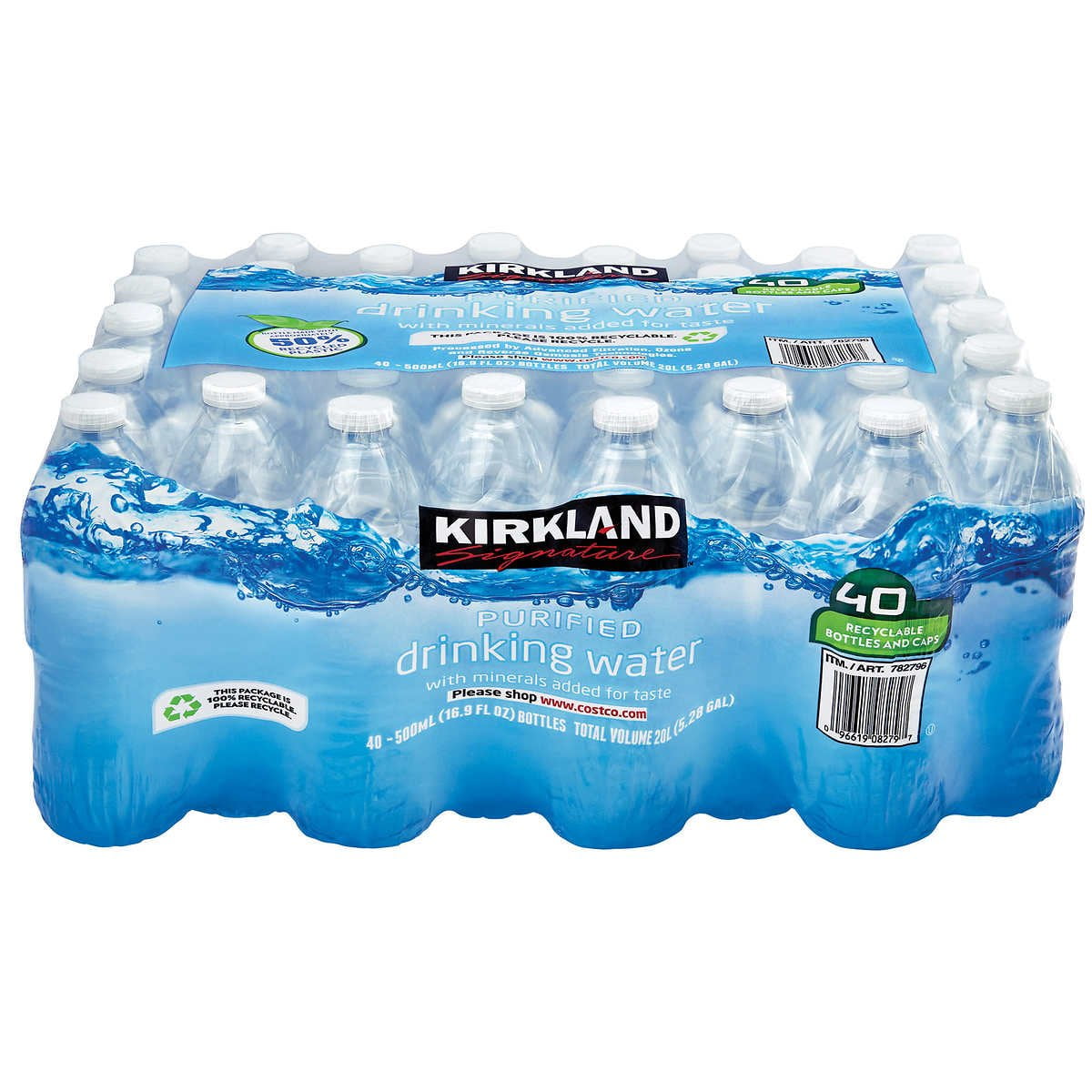

boni Natuurlijk Mineraalwater 1.5L
Summary
This product is a naturally sourced mineral water with minimal processing and no harmful additives, making it an excellent choice for hydration. The clean label and absence of artificial ingredients or contaminants contribute to its high rating, reflecting its purity and suitability for regular consumption.
At a glance
Key ingredients 12
Palm FatVery Bad
Palm fat is classified as very bad due to its high saturated fat content, which can contribute to heart disease. The production of palm oil is also associated with deforestation and habitat destruction. It is often highly processed, which can reduce its nutritional value.
Risks
High saturated fat content may increase the risk of cardiovascular diseases.
Rapeseed OilVery Bad
Rapeseed oil is considered very bad due to its high omega-6 fatty acid content, which can promote inflammation when consumed in excess. It is often highly processed and refined, which can introduce harmful trans fats. The extraction process may also involve chemical solvents.
Risks
High omega-6 content may promote inflammation and imbalance in fatty acid intake.
Natural FlavouringsBad
Natural flavourings are classified as bad because they can be a catch-all term for a variety of chemical compounds, some of which may not be disclosed. They are often used to enhance flavor without providing nutritional benefits. The lack of transparency can be concerning for consumers seeking clean labels.
Risks
Potential for undisclosed chemical compounds and lack of transparency.
Wheat FlourNeutral
Wheat flour is a staple ingredient providing carbohydrates and some protein, but it is highly refined and lacks fiber. It is a common allergen due to gluten content. The refining process removes most of the nutritional value found in whole grains.
Risks
Contains gluten, which can be problematic for individuals with celiac disease or gluten sensitivity.
Benefits
Provides carbohydrates for energy but lacks significant nutritional benefits due to refining.
ChocolateNeutral
Chocolate in this product is primarily composed of sugar and cocoa, providing flavor but also high in sugar content. It can contribute to excessive calorie intake if consumed in large amounts. The cocoa component may offer some antioxidants, but the overall nutritional impact is minimal.
Risks
High sugar content can contribute to weight gain and dental issues.
Benefits
Cocoa may provide antioxidants, but benefits are limited by high sugar content.
SugarBad
Sugar is classified as bad due to its high caloric content and lack of essential nutrients, contributing to empty calorie intake. Excessive consumption is linked to obesity, diabetes, and other metabolic disorders. It is often added to enhance sweetness without providing nutritional benefits.
Risks
Excessive sugar intake is associated with increased risk of obesity, diabetes, and dental cavities.
YeastNeutral
Yeast is a neutral ingredient used for leavening and fermentation in baking. It contributes to the texture and flavor of baked goods. While it provides some B vitamins, its nutritional impact in small quantities is minimal.
Benefits
Provides some B vitamins but overall nutritional impact is minimal.
SaltNeutral
Salt is a neutral ingredient used for flavor enhancement and preservation. While necessary for bodily functions, excessive intake can lead to hypertension and cardiovascular issues. It is important to consume in moderation.
Risks
Excessive salt intake can lead to high blood pressure and cardiovascular diseases.
Benefits
Essential for maintaining fluid balance and nerve function, but benefits are limited by potential health risks.
Milk ProteinsNeutral
Milk proteins provide essential amino acids and are a good source of protein. They can be beneficial for muscle repair and growth. However, they may cause allergic reactions in individuals with milk allergies or lactose intolerance.
Risks
May cause allergic reactions in individuals with milk allergies or lactose intolerance.
Benefits
Good source of essential amino acids and beneficial for muscle repair.
Emulsifiers (E471, E472e)Neutral
Emulsifiers like E471 and E472e are used to stabilize and improve the texture of processed foods. They are generally considered safe but offer no nutritional benefits. Their role is primarily functional in food processing.
Thickener (E466)Neutral
Thickener E466 is used to improve texture and consistency in food products. It is generally recognized as safe but does not provide nutritional benefits. Its primary function is to enhance the mouthfeel of processed foods.
Colouring Agent (E160a)Neutral
Colouring agent E160a is used to enhance the visual appeal of food products. It is derived from natural sources like carrots and is generally considered safe. However, it does not contribute to the nutritional value of the product.
Processing
Ultra-Processed Foods
Get the full breakdown in the Scout app
Scan any product to see lab results, healthy alternatives, and your personalized analysis.
Download on theApp Store