


At a glance
Summary
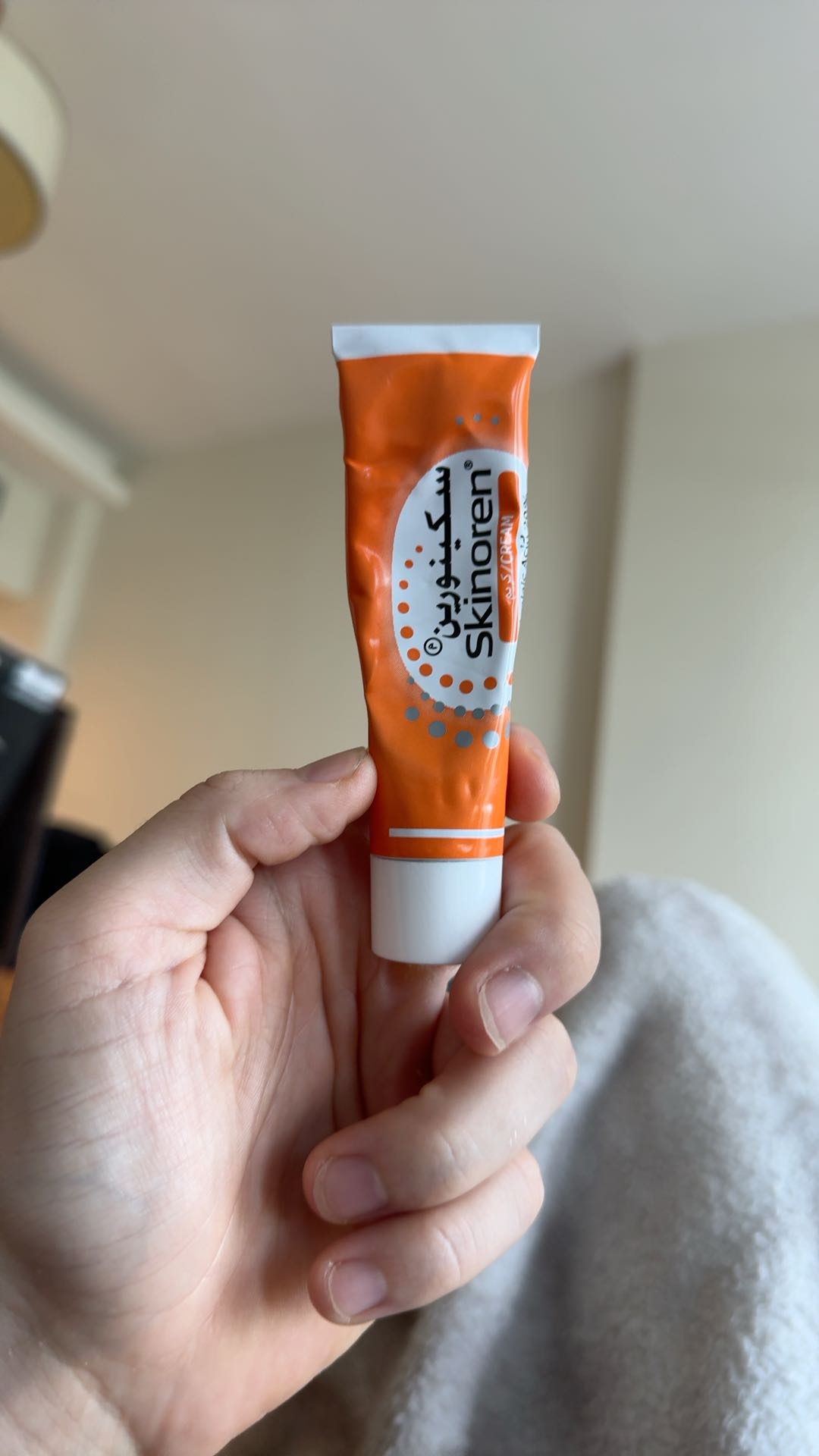
This product contains beneficial ingredients like azelaic acid, glycerol, and cocoglycerides, which are known for their skin-soothing and moisturizing properties. However, the presence of synthetic compounds such as propylene glycol and cetearyl alcohol, along with the processed nature of the product, slightly lowers its overall rating. The formulation is moderately processed, which impacts the score despite the inclusion of effective skin actives.
Key ingredients 12
Azelaic AcidGood
Azelaic Acid is known for its anti-inflammatory and antimicrobial properties, making it effective in treating acne and rosacea. It helps to unclog pores and reduce skin redness.
Risks
Some individuals may experience skin irritation or dryness.
Benefits
It can improve skin texture and tone, and is beneficial for reducing hyperpigmentation.
GlycerolGood
Glycerol, also known as glycerin, is a humectant that attracts moisture to the skin. It is widely used for its hydrating properties.
Risks
There are minimal risks, though it may cause irritation if used in high concentrations.
Benefits
It helps maintain skin hydration and improves skin barrier function.
CocoglyceridesGood
Cocoglycerides are derived from coconut oil and glycerin, used as emollients in cosmetics. They help to moisturize and soften the skin.
Risks
There are minimal risks, though it may cause mild irritation in very sensitive skin.
Benefits
They provide a lightweight, non-greasy feel and enhance skin hydration.
Benzoic AcidNeutral
Benzoic Acid is used as a preservative in cosmetics to prevent microbial growth. It is generally considered safe in low concentrations.
Risks
High concentrations can cause skin irritation or allergic reactions.
Benefits
It helps extend the shelf life of cosmetic products by preventing spoilage.
Cetearyl OctanoateNeutral
Cetearyl Octanoate is an emollient that helps to soften and smooth the skin. It is commonly used in cosmetics for its moisturizing properties.
Risks
There are minimal risks associated with its use, though it may cause mild irritation in sensitive individuals.
Benefits
It enhances the texture of the product and provides a silky feel to the skin.
Isopropyl MyristateNeutral
Isopropyl Myristate is used as an emollient and thickening agent in cosmetics. It helps to improve the absorption of other ingredients.
Risks
It can potentially clog pores and cause acne in some individuals.
Benefits
It provides a smooth application and enhances the spreadability of the product.
Glyceryl StearateNeutral
Glyceryl Stearate is an emulsifier that helps to blend oil and water components in formulations. It is commonly used to stabilize products.
Risks
It is generally considered safe, with low risk of irritation.
Benefits
It improves the texture and consistency of cosmetic products.
Cetearyl AlcoholNeutral
Cetearyl Alcohol is a fatty alcohol used as an emollient and thickener in cosmetics. It helps to soften the skin and improve product texture.
Risks
It is generally safe, though it may cause mild irritation in sensitive skin.
Benefits
It provides a creamy texture and enhances the moisturizing properties of the product.
Cetyl PalmitateNeutral
Cetyl Palmitate is an ester used as an emollient and thickening agent in cosmetics. It helps to improve the texture and feel of the product.
Risks
It is generally safe, with low risk of irritation.
Benefits
It provides a smooth application and enhances the moisturizing effect.
Purified WaterNeutral
Purified Water is used as a solvent in cosmetics to dissolve other ingredients. It is essential for creating emulsions and providing hydration.
Risks
There are no significant risks associated with its use.
Benefits
It acts as a base for formulations and helps to hydrate the skin.
Stearoyl MacrogolglyceridesNeutral
Stearoyl Macrogolglycerides are used as emulsifiers in cosmetics to stabilize formulations. They help to blend oil and water components.
Risks
They are generally considered safe, with low risk of irritation.
Benefits
They improve the texture and consistency of cosmetic products.
Propylene GlycolBad
Processed additive flagged under Scout's ingredient doctrine.
Risks
It may cause irritation or allergic reactions in sensitive individuals.
Benefits
It helps to maintain moisture levels in the skin and enhances product absorption.
Processing
Processed Foods
Get the full breakdown in the Scout appTake Scout shopping
Scan any product to see lab results, healthy alternatives, and your personalized analysis.
Download on theApp Store GET IT ONGoogle Play