
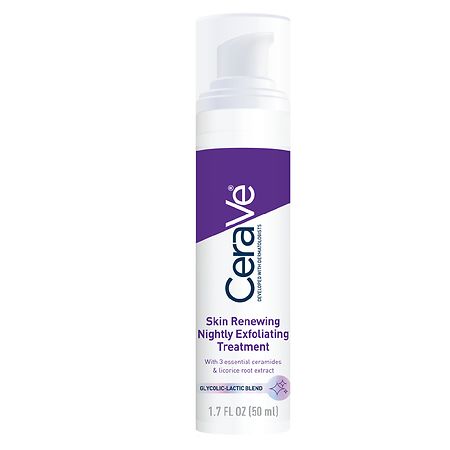


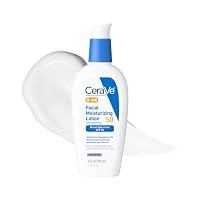

CeraVe Skin Renewing Nightly Exfoliating Treatment Glycolic Acid Face Serum - 1.7 fl oz
Analysis updated August 2026 · How Scout scores
At a glance
Summary
This face serum contains beneficial ingredients like glycolic acid, lactic acid, and ceramides, which are known for their exfoliating and moisturizing properties. However, the presence of phenoxyethanol, a preservative that can cause irritation in some individuals, slightly lowers its safety profile. The product is moderately processed, which also impacts its overall rating.
Key ingredients 29
Ceramide APVery Good
Ceramide AP is another type of ceramide that supports the skin's barrier function. It helps to lock in moisture and protect against environmental stressors. It is effective in improving skin hydration and resilience.
Benefits
Enhances skin barrier function and retains moisture.
Ceramide EOPVery Good
Ceramide EOP is a crucial component of the skin's lipid barrier. It helps to maintain skin integrity and prevent moisture loss. It is beneficial for maintaining healthy, hydrated skin.
Benefits
Supports skin barrier health and improves moisture retention.
GlycerinGood
Glycerin is a humectant that attracts moisture to the skin, helping to keep it hydrated. It is widely used in skincare for its moisturizing properties. It is generally well-tolerated and beneficial for all skin types.
Risks
Rarely, it may cause irritation in very sensitive skin.
Benefits
Helps maintain skin hydration and improves skin barrier function.
Glycolic AcidGood
Glycolic Acid is an alpha hydroxy acid (AHA) that exfoliates the skin, promoting cell turnover and improving skin texture. It is effective in reducing fine lines and hyperpigmentation. It is a well-researched ingredient with proven benefits.
Risks
Can cause irritation or sensitivity, especially in high concentrations.
Benefits
Improves skin texture, reduces signs of aging, and brightens complexion.
Dipotassium GlycyrrhizateGood
Dipotassium Glycyrrhizate is derived from licorice root and is known for its soothing and anti-inflammatory properties. It helps to calm irritated skin and reduce redness. It is beneficial for sensitive and acne-prone skin.
Risks
Rarely, it may cause allergic reactions in sensitive individuals.
Benefits
Reduces inflammation and soothes irritated skin.
Ceramide NPGood
Ceramide NP is a lipid that helps to restore and maintain the skin's natural barrier. It is essential for retaining moisture and protecting the skin from environmental damage. It is beneficial for dry and sensitive skin.
Benefits
Strengthens the skin barrier and improves hydration.
Sodium HyaluronateGood
Sodium Hyaluronate is a form of hyaluronic acid that provides intense hydration to the skin. It helps to retain moisture and improve skin elasticity. It is highly beneficial for dry and dehydrated skin.
Benefits
Deeply hydrates the skin and improves elasticity.
CholesterolGood
Cholesterol is a lipid that helps to maintain the skin's barrier function. It is essential for retaining moisture and protecting the skin from environmental damage. It is beneficial for dry and sensitive skin.
Benefits
Supports skin barrier health and improves moisture retention.
PhytosphingosineGood
Phytosphingosine is a lipid that helps to restore the skin's natural barrier and has anti-inflammatory properties. It is beneficial for reducing redness and irritation. It is effective in improving skin health and resilience.
Benefits
Reduces inflammation and strengthens the skin barrier.
Aqua / Water / EauNeutral
Water is a common solvent used in cosmetic formulations. It helps dissolve other ingredients and provides a base for the product. It does not have any active benefits or risks.
Benefits
Provides a medium for other ingredients to be delivered to the skin.
Cetearyl EthylhexanoateNeutral
Cetearyl Ethylhexanoate is an emollient that helps to soften and smooth the skin. It is used to improve the texture of cosmetic products. It is generally considered safe and non-irritating.
Risks
Minimal risk of irritation or allergic reaction.
Benefits
Improves skin texture and provides a smooth application.
Cetearyl AlcoholNeutral
Cetearyl Alcohol is a fatty alcohol used as an emollient and thickening agent in cosmetics. It helps to stabilize and thicken formulations. It is not drying like other alcohols and is generally safe for skin.
Risks
Low risk of irritation for sensitive skin.
Benefits
Provides moisturizing properties and improves product texture.
Lactic AcidNeutral
Standard formulation ingredient — neither beneficial nor harmful at typical use.
Risks
May cause mild irritation or redness in sensitive skin.
Benefits
Enhances skin hydration and promotes a smoother, brighter complexion.
Sodium HydroxideNeutral
Sodium Hydroxide is used to adjust the pH of cosmetic formulations. It is a strong base and is used in small amounts to ensure product stability. It is safe in low concentrations as used in cosmetics.
Risks
In high concentrations, it can be irritating, but it is used in safe amounts in cosmetics.
Benefits
Ensures the product maintains a stable and effective pH level.
Polyacrylate Crosspolymer-6Neutral
Polyacrylate Crosspolymer-6 is used as a thickening agent and stabilizer in cosmetic formulations. It helps to improve the texture and consistency of products. It is considered safe for use in cosmetics.
Risks
Minimal risk of irritation or allergic reaction.
Benefits
Enhances product texture and stability.
CarbomerNeutral
Carbomer is a thickening agent used to create gel-like textures in cosmetic products. It helps to stabilize formulations and improve their consistency. It is considered safe for use in cosmetics.
Risks
Minimal risk of irritation or allergic reaction.
Benefits
Provides a smooth, gel-like texture to products.
Cetearyl GlucosideNeutral
Cetearyl Glucoside is an emulsifier that helps to blend oil and water-based ingredients. It is derived from natural sources and is gentle on the skin. It is used to improve the texture and stability of cosmetic formulations.
Risks
Low risk of irritation or allergic reaction.
Benefits
Enhances product texture and stability.
Triethyl CitrateNeutral
Triethyl Citrate is used as a stabilizer and fragrance ingredient in cosmetics. It helps to improve the longevity of fragrances and stabilize formulations. It is generally considered safe for use in cosmetics.
Risks
Low risk of irritation or allergic reaction.
Benefits
Stabilizes formulations and enhances fragrance longevity.
Sodium Lauroyl LactylateNeutral
Sodium Lauroyl Lactylate is a mild surfactant and emulsifier used in cosmetics. It helps to blend ingredients and improve product texture. It is considered safe and non-irritating.
Risks
Minimal risk of irritation or allergic reaction.
Benefits
Improves product texture and emulsification.
Phenylethyl ResorcinolNeutral
Phenylethyl Resorcinol is a skin-brightening agent used to reduce hyperpigmentation. It is effective in improving skin tone and reducing dark spots. It is generally considered safe for use in cosmetics.
Risks
May cause irritation in sensitive skin.
Benefits
Reduces hyperpigmentation and improves skin tone.
Isopropyl MyristateNeutral
Isopropyl Myristate is an emollient that helps to improve the texture and absorption of cosmetic products. It provides a smooth application and enhances skin feel. It is generally considered safe for use in cosmetics.
Risks
May cause breakouts in acne-prone skin.
Benefits
Improves product texture and enhances absorption.
Caprylyl GlycolNeutral
Caprylyl Glycol is a conditioning agent and preservative used in cosmetics. It helps to improve skin hydration and extend product shelf life. It is considered safe and non-irritating.
Risks
Minimal risk of irritation or allergic reaction.
Benefits
Enhances skin hydration and preserves product integrity.
Citric AcidNeutral
Citric Acid is used to adjust the pH of cosmetic formulations. It also has mild exfoliating properties and can help to brighten the skin. It is generally considered safe for use in cosmetics.
Risks
May cause irritation in sensitive skin.
Benefits
Adjusts product pH and provides mild exfoliation.
Trisodium Ethylenediamine DisuccinateNeutral
Trisodium Ethylenediamine Disuccinate is a chelating agent used to improve the stability of cosmetic formulations. It helps to bind metal ions and prevent product degradation. It is considered safe for use in cosmetics.
Risks
Minimal risk of irritation or allergic reaction.
Benefits
Enhances product stability and prevents degradation.
Xanthan GumNeutral
Xanthan Gum is a thickening agent used to stabilize and thicken cosmetic formulations. It helps to improve the texture and consistency of products. It is considered safe for use in cosmetics.
Risks
Minimal risk of irritation or allergic reaction.
Benefits
Improves product texture and stability.
Benzoic AcidNeutral
Benzoic Acid is a preservative used to prevent microbial growth in cosmetics. It is effective in maintaining product integrity and extending shelf life. It is considered safe for use in cosmetics.
Risks
May cause irritation in sensitive skin.
Benefits
Prevents microbial growth and extends product shelf life.
DimethiconeBad
Occlusive silicone film-former — flagged under clean-beauty doctrine.
Risks
May cause breakouts in very acne-prone skin.
Benefits
Helps to lock in moisture and provides a silky texture.
Behentrimonium MethosulfateBad
Processed additive flagged under Scout's ingredient doctrine.
Risks
Minimal risk of irritation or allergic reaction.
Benefits
Provides conditioning and softening effects.
PhenoxyethanolBad
Phenoxyethanol is a preservative used to prevent microbial growth in cosmetics. It is effective but can cause irritation in some individuals. It is considered safe in low concentrations but has potential sensitizing effects.
Risks
May cause irritation or allergic reactions in sensitive individuals.
Benefits
Prevents microbial growth and extends product shelf life.
Get the full breakdown in the Scout appTake Scout shopping
Scan any product to see lab results, healthy alternatives, and your personalized analysis.
Download on theApp Store GET IT ONGoogle PlayAmazon pricing & content
Amazon price as of . Product prices and availability are accurate as of the date/time indicated and are subject to change. Any price and availability information displayed on Amazon.com at the time of purchase will apply to the purchase of this product.
CERTAIN CONTENT THAT APPEARS ON THIS SITE COMES FROM AMAZON. THIS CONTENT IS PROVIDED “AS IS” AND IS SUBJECT TO CHANGE OR REMOVAL AT ANY TIME.