

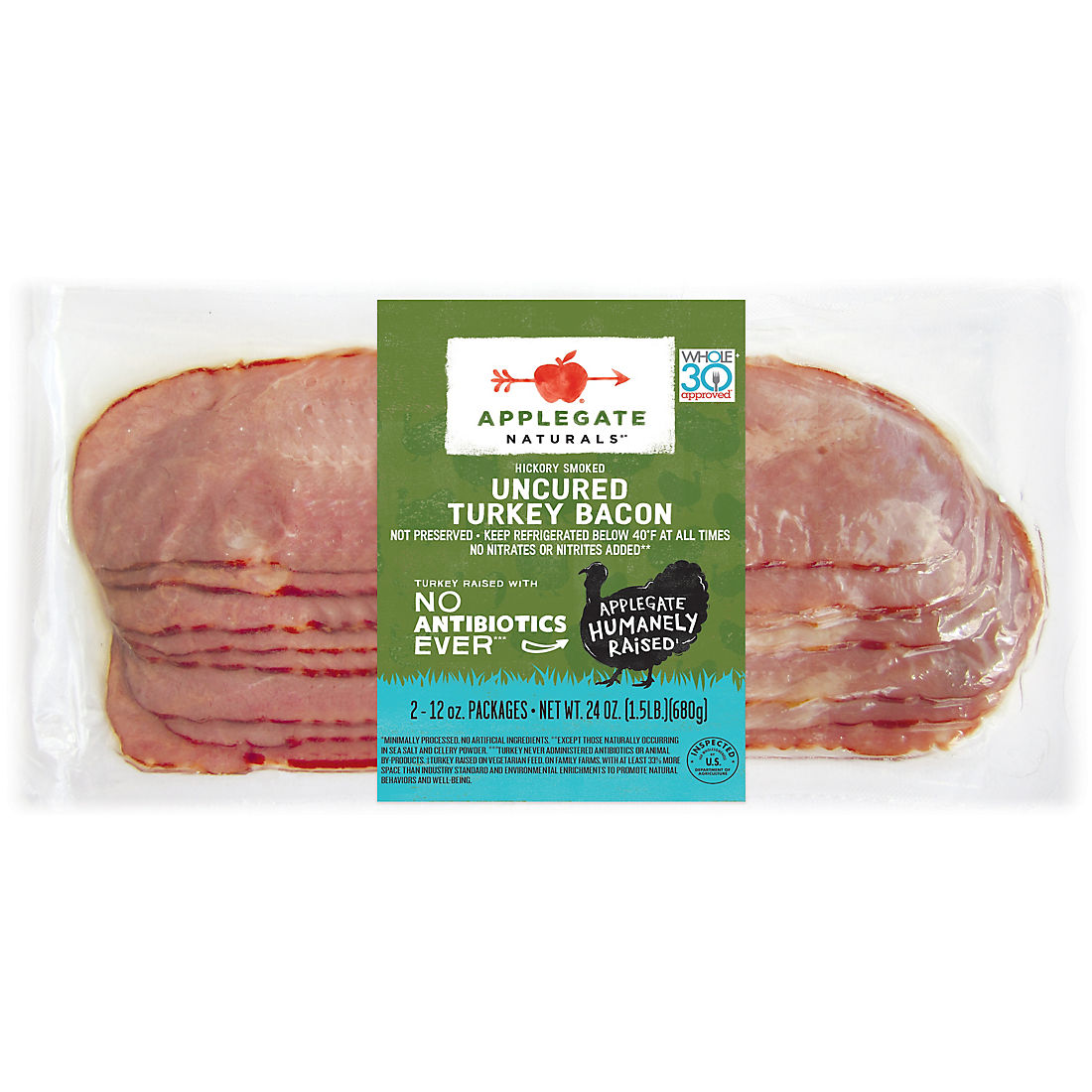


At a glance
Summary
This bacon product is processed and contains sodium nitrite, a preservative that can form potentially harmful nitrosamines when cooked at high temperatures. While it includes a high percentage of pork meat, which is a good source of protein, the presence of sodium nitrite and the level of processing limit its healthiness. The use of smoke from beech wood adds flavor but does not significantly impact the nutritional profile.
Key ingredients 5
Pork meatGood
Pork meat is a high-quality source of protein and essential nutrients. It provides a rich amino acid profile beneficial for muscle maintenance and repair. The quality of pork can vary based on farming practices, with pasture-raised options being preferable.
Risks
Potential risks include high saturated fat content, which may contribute to heart disease if consumed in excess.
Benefits
Rich in protein and essential vitamins like B12, which supports energy metabolism and neurological function.
SaltNeutral
Salt is used as a preservative and flavor enhancer in bacon. It is a common culinary ingredient that provides sodium, essential for fluid balance and nerve function. However, excessive consumption can lead to hypertension and cardiovascular issues.
Risks
High sodium intake is associated with increased risk of hypertension and cardiovascular diseases.
Benefits
Provides essential sodium necessary for maintaining fluid balance and nerve function.
Sodium ascorbateNeutral
Sodium ascorbate is an antioxidant used to preserve color and extend shelf life. It is a form of vitamin C, which can help reduce oxidative stress. However, its primary role in processed meats is preservation rather than nutritional enhancement.
Benefits
Acts as an antioxidant, helping to preserve the color and freshness of the product.
Smoke from beech woodNeutral
Smoke from beech wood is used to impart flavor and aid in preservation. It is a traditional method of enhancing the taste of meats. The smoking process can introduce polycyclic aromatic hydrocarbons, which are potential carcinogens.
Risks
May contain polycyclic aromatic hydrocarbons, which are potential carcinogens.
Benefits
Adds a distinct smoky flavor and aids in the preservation of the meat.
Sodium nitriteBad
Sodium nitrite is used as a preservative and color fixative in processed meats. It can form nitrosamines, which are potential carcinogens, especially when meats are cooked at high temperatures. Its use is controversial due to potential health risks associated with long-term consumption.
Risks
Potential formation of nitrosamines, which are linked to an increased risk of cancer.
Benefits
Helps prevent bacterial growth and preserves the color of cured meats.
Processing
Processed Foods
Get the full breakdown in the Scout appTake Scout shopping
Scan any product to see lab results, healthy alternatives, and your personalized analysis.
Download on theApp Store GET IT ONGoogle Play