


At a glance
Summary
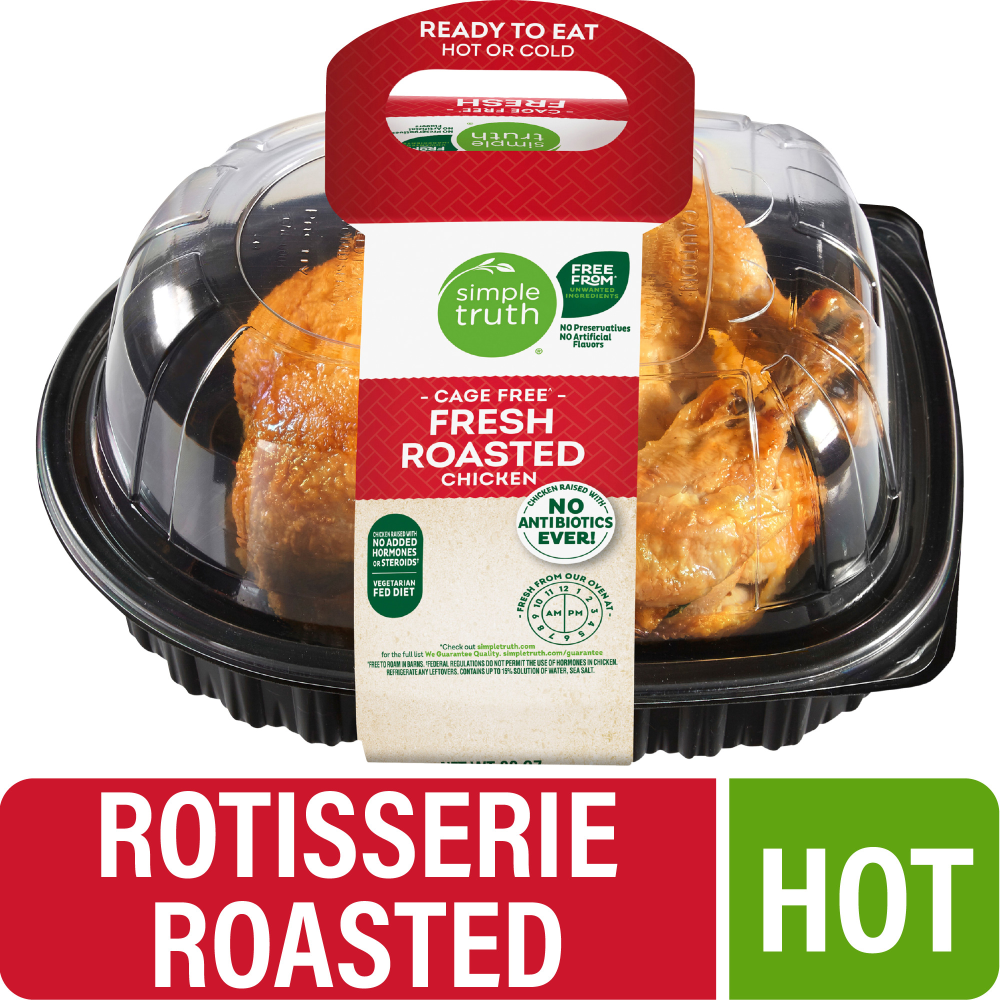
The product contains high-quality chicken breast, which is a good source of lean protein. However, it is processed and includes vegetable oil, which can be high in omega-6 fatty acids and may promote inflammation. The presence of processed ingredients like rice starch and corn starch further contributes to its processing level, limiting its overall health score.
Key ingredients 12
Boneless skinless chicken breast meat with rib meatGood
Chicken breast is a high-quality source of lean protein, essential for muscle growth and repair. It provides a rich amino acid profile and is low in fat. The inclusion of rib meat adds flavor and juiciness.
Benefits
Rich in protein and essential nutrients, supporting muscle health and overall nutrition.
SpicesGood
Whole-food seasonings, antioxidant-bearing.
Benefits
May provide antioxidant and anti-inflammatory benefits depending on the specific spices used.
Dried garlicGood
Dried garlic is used for flavor and has potential health benefits due to its antioxidant properties. It is known for its ability to enhance immune function and cardiovascular health. It is a natural ingredient with minimal processing.
Benefits
Contains antioxidants and compounds that may support heart health and immune function.
WaterNeutral
Water is used as a processing aid and does not contribute nutritional value. It helps maintain moisture in the product. It is a neutral ingredient with no direct health impact.
See more about Water →Rice starchNeutral
Rice starch is used as a thickening agent and provides texture to the product. It is a refined carbohydrate with minimal nutritional value. It is generally considered safe for consumption.
Risks
Excessive consumption of refined carbohydrates may contribute to weight gain and blood sugar spikes.
Benefits
Provides texture and consistency to the product without significant nutritional benefits.
SaltNeutral
Salt is used for flavor enhancement and preservation. It is a common culinary ingredient but can contribute to high sodium intake. Moderation is key to avoid potential health issues.
Risks
High sodium intake can lead to hypertension and cardiovascular issues.
Benefits
Enhances flavor and acts as a preservative in food products.
Corn starchNeutral
Corn starch is used as a thickening agent and provides a crispy texture. It is a refined carbohydrate with limited nutritional value. It is widely used in processed foods for its functional properties.
Risks
Excessive consumption of refined carbohydrates may contribute to weight gain and blood sugar spikes.
Benefits
Contributes to the desired texture and crispiness of the product.
Extractives of paprikaNeutral
Extractives of paprika are used for color and flavor enhancement. They are derived from natural sources and are generally considered safe. They provide a mild flavor and vibrant color to the product.
Benefits
Adds color and flavor without significant nutritional benefits.
Spice extractsNeutral
Spice extracts are used to enhance flavor and aroma. They are concentrated forms of spices and are generally safe. The specific extracts used are not detailed, limiting precise analysis.
Benefits
Enhances flavor and may provide some antioxidant benefits depending on the specific extracts used.
Wheat flourBad
Refined grain flour stripped of bran and germ.
Risks
May cause allergic reactions or digestive issues in individuals with gluten intolerance or celiac disease.
Benefits
Provides structure and texture to the product.
Brown sugarBad
Processed additive flagged under Scout's ingredient doctrine.
Risks
Excessive sugar intake can lead to weight gain, insulin resistance, and dental issues.
Benefits
Provides sweetness and flavor complexity to the product.
Vegetable oilVery Bad
Vegetable oil is often high in omega-6 fatty acids, which can promote inflammation when consumed in excess. It is typically extracted using high heat and chemicals, which may degrade nutritional quality. The specific type of vegetable oil is not specified, but many are considered unhealthy due to their processing methods.
Risks
High omega-6 content may promote inflammation and contribute to chronic health issues.
Processing
Processed Foods
Get the full breakdown in the Scout appTake Scout shopping
Scan any product to see lab results, healthy alternatives, and your personalized analysis.
Download on theApp Store GET IT ONGoogle Play