
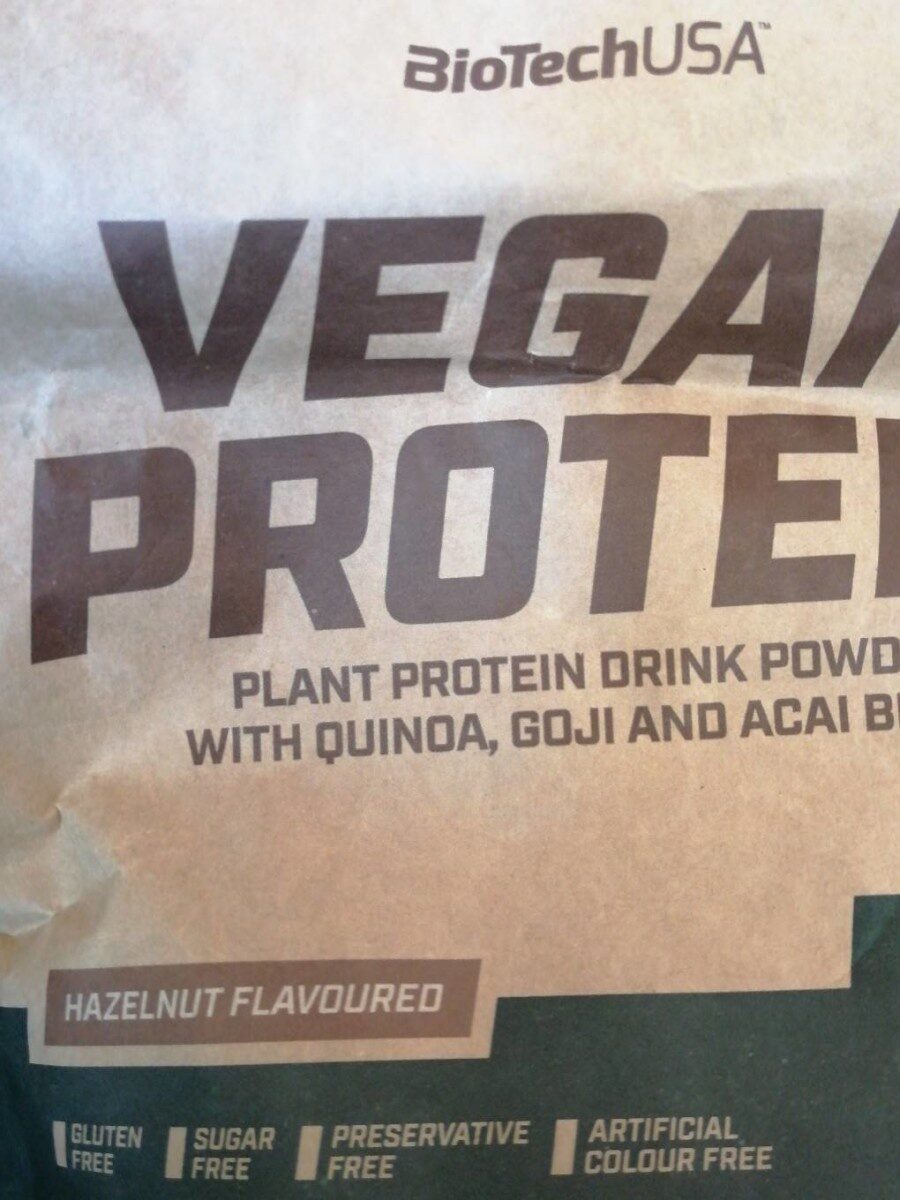



Biotechusa Vegan Protein Hazelnut - 500g
Analysis updated July 2026 · How Scout scores
At a glance
Summary
This vegan protein powder contains beneficial ingredients like pea protein isolate and L-glutamine, which support muscle growth and recovery. However, it includes several processed additives such as soy lecithin, carrageenan, and cellulose gum, which are used for texture and mixability rather than nutritional benefit. The presence of sucralose, an artificial sweetener, further impacts the score due to potential health concerns associated with its consumption.
Key ingredients 15
Pea Protein IsolateGood
Pea protein isolate is a high-quality plant-based protein source with a good amino acid profile. It is minimally processed compared to other protein isolates and is free from common allergens like dairy and soy. It supports muscle growth and repair, making it a beneficial ingredient in vegan protein supplements.
Benefits
Rich in essential amino acids and supports muscle growth and repair.
L-GlutamineGood
L-Glutamine is an amino acid that supports muscle recovery and immune function. It is often used in supplements to aid in post-exercise recovery and to support gut health. Its inclusion in protein powders can enhance recovery and overall health benefits.
Benefits
Supports muscle recovery and immune function.
GlycineGood
Part of Flavor Enhancer. Glycine is an amino acid that can enhance flavor and provide a sweet taste without sugar. It is generally recognized as safe and can support collagen production. Its sodium salt form is used to improve solubility and taste.
Risks
Excessive intake of sodium salts may contribute to increased sodium levels.
Benefits
Enhances flavor and supports collagen production.
Rice ProteinNeutral
Rice protein is a plant-based protein that complements pea protein by providing a complete amino acid profile. It is hypoallergenic and suitable for those with dietary restrictions. However, it is less bioavailable compared to animal-based proteins.
Benefits
Provides a complete amino acid profile when combined with other plant proteins.
Low-Fat Cocoa PowderNeutral
Low-fat cocoa powder is used for flavoring and provides antioxidants. It is a natural source of polyphenols, which have health benefits, but its contribution in a protein supplement is primarily for taste. The low-fat version reduces calorie content while maintaining flavor.
Benefits
Provides antioxidants and enhances flavor.
Its Sodium SaltNeutral
Part of Flavor Enhancer. Glycine is an amino acid that can enhance flavor and provide a sweet taste without sugar. It is generally recognized as safe and can support collagen production. Its sodium salt form is used to improve solubility and taste.
Risks
Excessive intake of sodium salts may contribute to increased sodium levels.
Benefits
Enhances flavor and supports collagen production.
L-ArginineNeutral
L-Arginine is an amino acid that plays a role in nitric oxide production, which can improve blood flow and exercise performance. It is commonly included in supplements for its potential cardiovascular benefits. However, its effectiveness can vary among individuals.
Risks
High doses may cause gastrointestinal discomfort.
Benefits
May improve blood flow and exercise performance.
Quinoa FlourNeutral
Quinoa flour is a whole grain flour that provides additional protein and fiber. It is a nutrient-dense ingredient that can enhance the nutritional profile of the product. However, its contribution in small amounts may be limited.
Benefits
Provides additional protein and fiber.
Goji Berry PowderNeutral
Goji berry powder is included for its antioxidant properties and potential health benefits. It is a natural ingredient that can support immune function and overall health. However, its small percentage in the product may limit its impact.
Benefits
Provides antioxidants and supports immune function.
Acai Berry PowderNeutral
Acai berry powder is known for its high antioxidant content and potential health benefits. It is a natural ingredient that can contribute to overall wellness. Like goji berry powder, its small percentage may limit its effectiveness.
Benefits
Rich in antioxidants and supports overall wellness.
Table SaltNeutral
Table salt is used to enhance flavor and as a preservative. While necessary in small amounts, excessive consumption can lead to health issues such as hypertension. Its inclusion is standard in many processed foods for taste.
Risks
Excessive intake can lead to hypertension and other cardiovascular issues.
Benefits
Enhances flavor and acts as a preservative.
Emulsifier: Lecithins (Soy)Bad
Soy lecithin is used as an emulsifier to improve texture and mixability in supplements. It is derived from soy, which may be genetically modified and can be a concern for those avoiding soy products. While it is generally safe, it is considered a processed additive.
Risks
May be derived from genetically modified soy and can cause allergic reactions in sensitive individuals.
Benefits
Improves texture and mixability of the product.
Thickening Agents (Carrageenan, Cellulose Gum)Bad
Carrageenan and cellulose gum are used as thickening agents to improve texture. Carrageenan has been linked to gastrointestinal inflammation in some studies, while cellulose gum is generally considered safe but is a processed additive. Their inclusion is primarily for texture rather than nutritional benefit.
Risks
Carrageenan may cause gastrointestinal inflammation in sensitive individuals.
Benefits
Improves texture and consistency of the product.
AromasBad
Aromas are used to enhance the flavor profile of the product but are often unspecified, which can include artificial components. The lack of transparency in labeling can be a concern for consumers seeking natural products. They do not contribute to the nutritional value of the product.
Risks
May contain artificial components that are not disclosed.
Benefits
Enhances flavor profile of the product.
SucraloseBad
Used as sweetener. Sucralose is an artificial sweetener used to provide sweetness without calories. It is a highly processed ingredient and has been linked to potential negative health effects, including altering gut microbiota. Its use is controversial due to these concerns.
Risks
May alter gut microbiota and has potential negative health effects.
Benefits
Provides sweetness without adding calories.
Processing
Ultra-Processed Foods
Get the full breakdown in the Scout appTake Scout shopping
Scan any product to see lab results, healthy alternatives, and your personalized analysis.
Download on theApp Store GET IT ONGoogle Play