

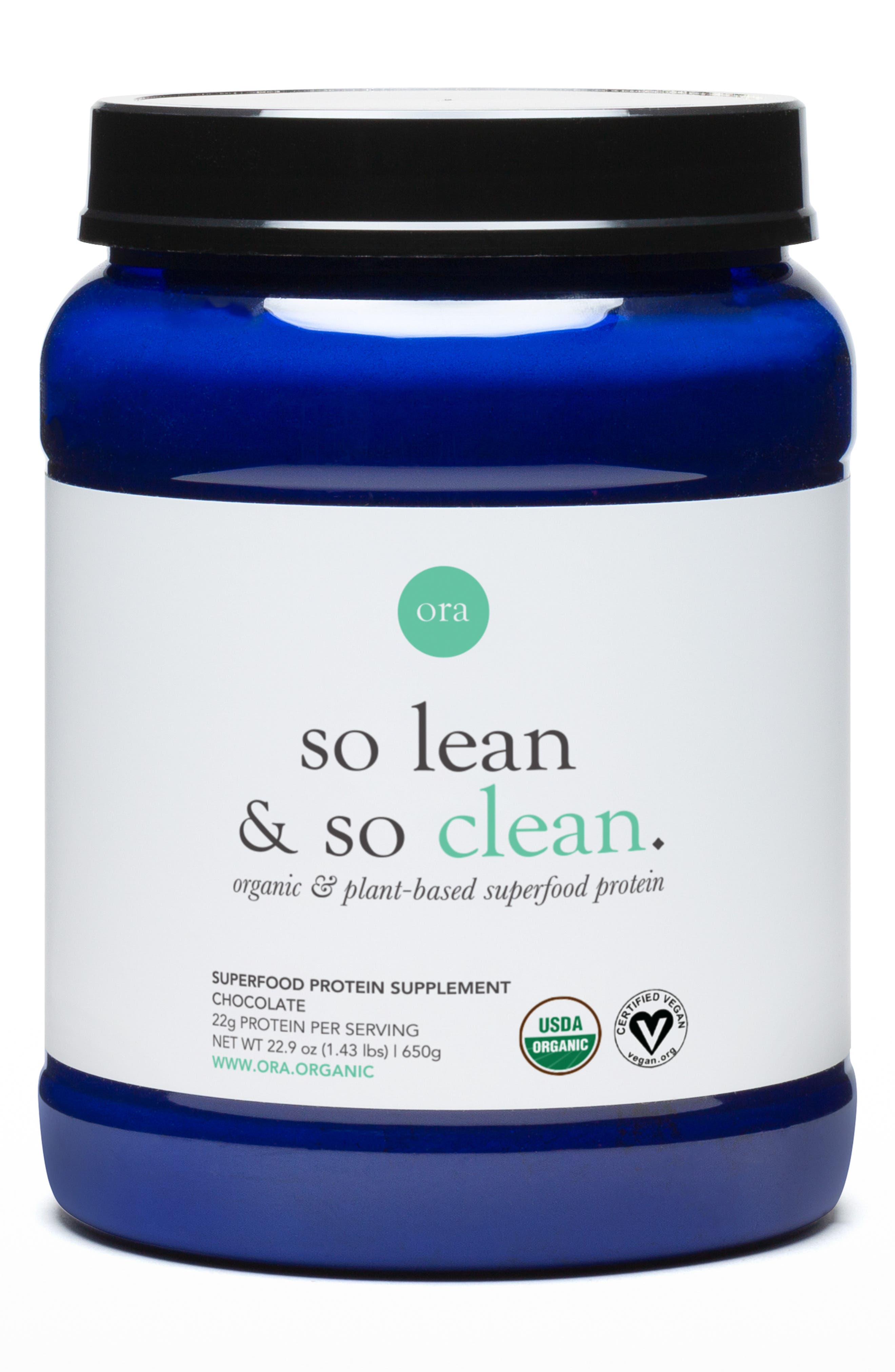


At a glance
Summary
This protein supplement contains a blend of high-quality proteins such as beef collagen peptides, pea protein, chicken protein, and egg protein, which are beneficial for muscle growth and repair. However, the presence of maltodextrin as a filler, sucralose as an artificial sweetener, and the use of natural and artificial flavors contribute to its processing level and raise concerns about potential health impacts. These ingredients, along with the use of xanthan gum, slightly detract from the overall formulation quality.
Key ingredients 11
Beef Collagen PeptidesGood
Beef collagen peptides are a high-quality protein source that supports joint health and skin elasticity. They are derived from animal sources, providing a rich amino acid profile. Collagen peptides are easily absorbed and utilized by the body.
Benefits
Supports joint health, skin elasticity, and provides a rich amino acid profile.
Chicken ProteinGood
Chicken protein is an animal-based protein that provides a complete amino acid profile. It is a high-quality protein source that supports muscle growth and repair. Chicken protein is easily absorbed and utilized by the body.
Benefits
Supports muscle growth and repair with a complete amino acid profile.
Egg ProteinGood
Egg protein is a high-quality animal protein that provides all essential amino acids. It is known for its excellent digestibility and bioavailability. Egg protein supports muscle maintenance and overall health.
Benefits
Provides all essential amino acids and supports muscle maintenance.
Cocoa PowderGood
Beneficial ingredient — whole-food or functional value in this product class.
Benefits
Contains antioxidants and provides a rich chocolate flavor.
Pea ProteinNeutral
Standard formulation ingredient — neither beneficial nor harmful at typical use.
Benefits
Provides essential amino acids and is a sustainable, hypoallergenic protein source.
Brown Rice ProteinNeutral
Brown rice protein is a plant-based protein that is hypoallergenic and provides a moderate amino acid profile. It is often combined with other proteins to enhance its nutritional value. While it is a good source of protein, it lacks some essential amino acids found in animal proteins.
Benefits
Offers a plant-based protein option that is hypoallergenic and easily digestible.
Xanthan GumNeutral
Xanthan gum is a polysaccharide used as a thickening and stabilizing agent. It is generally considered safe and is used in small amounts. It can improve texture and consistency in food products.
Risks
Excessive consumption may cause digestive discomfort in sensitive individuals.
Benefits
Improves texture and consistency in food products.
SaltNeutral
Salt is used to enhance flavor and preserve food. It is essential for maintaining fluid balance and nerve function. However, excessive intake can lead to health issues such as hypertension.
Risks
Excessive intake may lead to hypertension and cardiovascular issues.
Benefits
Essential for maintaining fluid balance and nerve function.
MaltodextrinBad
Maltodextrin is a highly processed carbohydrate used as a filler and thickener. It has a high glycemic index, which can cause rapid spikes in blood sugar levels. It is often used in processed foods to improve texture and shelf life.
Risks
High glycemic index may lead to rapid blood sugar spikes and potential insulin resistance.
Natural & Artificial FlavorBad
Natural and artificial flavors are used to enhance taste but can be highly processed and lack transparency. The specific components are often undisclosed, raising concerns about potential allergens and additives. These flavors do not contribute nutritional value.
Risks
Potential allergens and undisclosed additives may pose health concerns.
SucraloseBad
Sucralose is an artificial sweetener that provides sweetness without calories. It is highly processed and may alter gut microbiota. Long-term health effects are still being studied.
Risks
May alter gut microbiota and has potential long-term health concerns.
Benefits
Provides sweetness without adding calories.
Processing
Processed Foods
Get the full breakdown in the Scout appTake Scout shopping
Scan any product to see lab results, healthy alternatives, and your personalized analysis.
Download on theApp Store GET IT ONGoogle Play