




At a glance
Summary
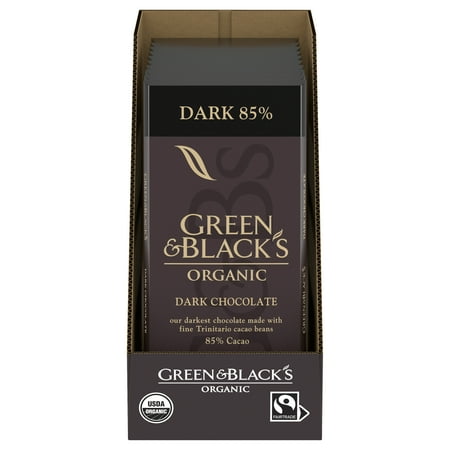
This chocolate product contains beneficial cocoa beans, which are rich in antioxidants and flavonoids. However, it is processed and includes a high sugar content, which is a significant concern for health. The presence of whole milk powder and honey adds some nutritional value, but the overall processing level and sugar concentration limit its healthiness.
Key ingredients 5
Cocoa beansGood
Cocoa beans are a rich source of antioxidants and flavonoids, which can support heart health. They are minimally processed and retain most of their natural nutrients. The presence of polyphenols in cocoa beans may also improve brain function.
Risks
Excessive consumption may lead to caffeine-related side effects such as insomnia or increased heart rate.
Benefits
Rich in antioxidants and flavonoids that support cardiovascular health and may improve cognitive function.
HoneyGood
Traditional whole-food sweetener with trace enzymes and antioxidants.
Risks
Excessive consumption can contribute to high sugar intake and related health issues.
Benefits
Contains antioxidants and trace nutrients, offering a natural alternative to refined sugars.
Unrefined sugarNeutral
Unrefined sugar retains some minerals and nutrients compared to refined sugar. It is less processed, which may be slightly better for health. However, it still contributes to overall sugar intake and should be consumed in moderation.
Risks
High sugar intake can lead to weight gain, increased risk of diabetes, and dental issues.
Benefits
Provides a source of quick energy and retains some trace minerals compared to refined sugar.
Whole milk powderNeutral
Whole milk powder is a source of protein and calcium, essential for bone health. It is a processed form of milk, which may lose some nutrients during drying. However, it still provides essential nutrients found in milk.
Risks
May cause digestive issues for those with lactose intolerance or milk allergies.
Benefits
Provides protein and calcium, supporting bone health and muscle function.
Bicarbonate of sodaNeutral
Bicarbonate of soda is used as a leavening agent in baking. It is a simple chemical compound with no significant nutritional value. It helps to improve the texture and rise of baked goods.
Risks
Excessive consumption can lead to alkalosis, a condition caused by an imbalance in the body's pH levels.
Processing
Processed Foods
Get the full breakdown in the Scout appTake Scout shopping
Scan any product to see lab results, healthy alternatives, and your personalized analysis.
Download on theApp Store GET IT ONGoogle Play