


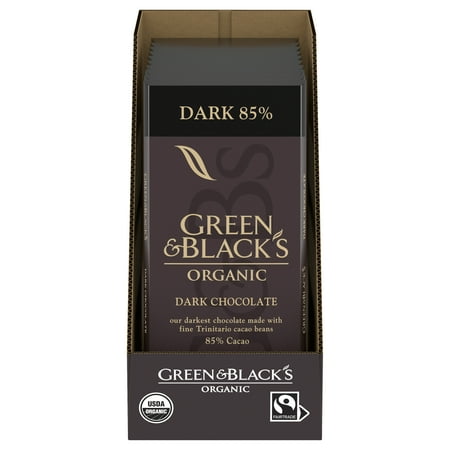


At a glance
Summary
This product contains several beneficial organic ingredients such as dark chocolate, cacao beans, and peanut butter, which provide antioxidants and healthy fats. However, it also includes processed ingredients like soya lecithin and palm oil, which are used for texture and stability but can be problematic due to their processing and potential health impacts. The high sugar content and processing level further limit its score, despite the overall organic certification.
Key ingredients 12
Organic Cacao BeansVery Good
Organic cacao beans are a rich source of antioxidants and polyphenols, which can support cardiovascular health. They contain essential minerals like magnesium and iron. The organic label ensures no synthetic pesticides or fertilizers are used.
Benefits
Rich in antioxidants and polyphenols that support heart health. Provides essential minerals such as magnesium and iron.
Organic Dark ChocolateGood
Organic dark chocolate is rich in antioxidants and flavonoids, which can support heart health. The organic certification indicates a lack of synthetic pesticides and fertilizers. It is a source of minerals like iron and magnesium.
Risks
Excessive consumption may lead to high calorie intake and potential weight gain.
Benefits
Contains antioxidants that may improve heart health and reduce inflammation. Provides minerals such as iron and magnesium.
Organic Cocoa ButterGood
Organic cocoa butter is a natural fat extracted from cacao beans, providing a source of healthy saturated fats. It is minimally processed and retains beneficial compounds. The organic certification ensures no synthetic chemicals are used.
Risks
High in calories and saturated fats, which should be consumed in moderation.
Benefits
Provides healthy fats that can support skin health and improve the texture of chocolate products.
Organic Peanut ButterGood
Organic peanut butter is a source of healthy fats, protein, and fiber, supporting heart health and satiety. The organic certification ensures no synthetic pesticides or fertilizers are used. It provides essential nutrients like vitamin E and magnesium.
Risks
Potential allergen for individuals with peanut allergies.
Benefits
Rich in healthy fats, protein, and fiber, supporting heart health and satiety.
Organic Ground PeanutGood
Organic ground peanuts provide protein, healthy fats, and fiber, contributing to heart health and satiety. The organic label ensures no synthetic chemicals are used in cultivation. They are a good source of vitamins and minerals like vitamin E and magnesium.
Risks
Potential allergen for individuals with peanut allergies.
Benefits
Provides protein, healthy fats, and fiber, supporting heart health and satiety.
Organic Peanut FlourGood
Organic peanut flour is a high-protein, low-fat ingredient derived from peanuts. It is a good source of plant-based protein and fiber. The organic certification ensures no synthetic pesticides or fertilizers are used.
Risks
Potential allergen for individuals with peanut allergies.
Benefits
High in protein and fiber, supporting muscle health and digestion.
Sea SaltGood
Sea salt is a natural source of sodium and trace minerals, supporting electrolyte balance and hydration. It is minimally processed compared to refined table salt. The presence of trace minerals can provide additional health benefits.
Risks
Excessive sodium intake can lead to high blood pressure and cardiovascular issues.
Benefits
Provides essential sodium and trace minerals, supporting hydration and electrolyte balance.
Organic Evaporated Cane SugarNeutral
Organic evaporated cane sugar is a less processed form of sugar, retaining some molasses content. It is still a refined sugar and contributes to calorie intake without significant nutritional benefits. Organic certification ensures no synthetic chemicals are used in its production.
Risks
High sugar intake can lead to weight gain, insulin resistance, and dental issues.
Benefits
Provides a natural sweetening option with minimal processing compared to white sugar.
Organic Soya LecithinBad
Organic soya lecithin is used as an emulsifier to improve texture and consistency in food products. Despite being organic, it is a processed ingredient that may cause allergic reactions in sensitive individuals. It is derived from soy, which can be a common allergen.
Risks
May cause allergic reactions in individuals sensitive to soy.
Benefits
Helps improve the texture and consistency of food products.
Organic Cane SugarBad
Processed additive flagged under Scout's ingredient doctrine.
Risks
High sugar intake can lead to weight gain, insulin resistance, and dental issues.
Benefits
Provides a natural sweetening option with minimal processing compared to white sugar.
Organic Palm OilBad
Organic palm oil is a saturated fat that can contribute to heart disease if consumed in excess. While organic certification ensures sustainable practices, palm oil production is associated with deforestation and habitat destruction. It is used for its stability and texture in food products.
Risks
High in saturated fats, which can contribute to heart disease if consumed in excess.
Benefits
Provides stability and texture to food products.
Organic Sunflower LecithinBad
Organic sunflower lecithin is used as an emulsifier to improve texture and consistency in food products. Despite being organic, it is a processed ingredient that may cause allergic reactions in sensitive individuals. It is derived from sunflower seeds, which are generally less allergenic than soy.
Risks
May cause allergic reactions in sensitive individuals.
Benefits
Helps improve the texture and consistency of food products.
Processing
Processed Foods
Get the full breakdown in the Scout appTake Scout shopping
Scan any product to see lab results, healthy alternatives, and your personalized analysis.
Download on theApp Store GET IT ONGoogle Play