
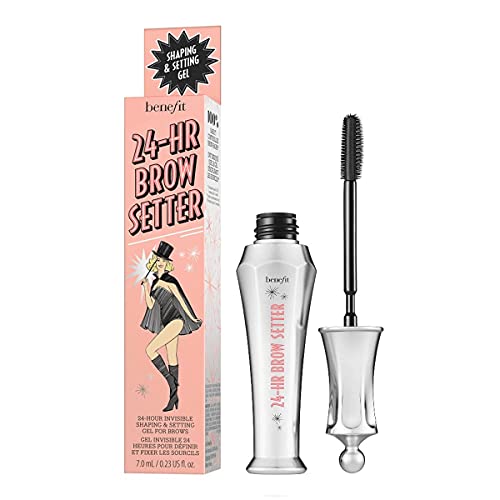

Pre-Order Now: Benefit ready, set Brow! 24-hour setting gel
Analysis updated August 2026 · How Scout scores
At a glance
Summary
This brow setting gel contains alcohol, which can be drying and irritating to the skin, and phenoxyethanol, a preservative that may cause irritation and allergic reactions in some individuals. While it includes panthenol, a beneficial moisturizing ingredient, the presence of these potentially harmful substances and the processed nature of the product limit its overall safety and quality.
Key ingredients 11
PanthenolGood
Panthenol is a form of Vitamin B5 used for its moisturizing and soothing properties. It helps improve skin hydration and reduce inflammation. It is beneficial for maintaining skin health and improving the appearance of skin.
Risks
There are minimal risks associated with panthenol in cosmetics.
Benefits
Panthenol provides moisturizing and soothing benefits, enhancing skin hydration.
Aqua (Water)Neutral
Water is a common solvent used in cosmetics to dissolve other ingredients. It does not provide any direct benefits or risks in cosmetic formulations. It is essential for the formulation but does not impact the product's efficacy or safety.
Risks
There are no known risks associated with water in cosmetic formulations.
Benefits
Water helps to dissolve other ingredients and provides a base for the formulation.
AlcoholNeutral
Standard formulation ingredient — neither beneficial nor harmful at typical use.
Risks
Alcohol can cause skin dryness and irritation, especially with frequent use.
Benefits
It can enhance the penetration of other active ingredients into the skin.
Amp-Acrylates CopolymerNeutral
Amp-acrylates copolymer is used for its film-forming and adhesive properties in cosmetics. It is generally regarded as safe and effective for its intended use. It does not pose significant risks or benefits in typical cosmetic formulations.
Risks
There are minimal risks associated with amp-acrylates copolymer in cosmetics.
Benefits
It helps in forming a film that provides hold and texture to the product.
HydroxyethylcelluloseNeutral
Hydroxyethylcellulose is a thickening agent used in cosmetics to improve texture and stability. It is considered safe and non-irritating for most skin types. It does not provide direct skin benefits but enhances the product's consistency.
Risks
There are no significant risks associated with hydroxyethylcellulose in cosmetics.
Benefits
It improves the texture and stability of the product.
PEG-12 DimethiconeNeutral
PEG-12 Dimethicone is a silicone-based compound used for its conditioning and smoothing properties. It is generally considered safe for use in cosmetics. It does not have significant risks or benefits beyond improving product texture.
Risks
There are minimal risks associated with PEG-12 Dimethicone in cosmetics.
Benefits
It provides conditioning and smoothing effects, enhancing product application.
Caprylyl GlycolNeutral
Caprylyl glycol is used as a skin conditioning agent and preservative booster in cosmetics. It is generally considered safe and effective for its intended use. It does not pose significant risks or benefits in typical cosmetic formulations.
Risks
There are minimal risks associated with caprylyl glycol in cosmetics.
Benefits
It enhances skin conditioning and boosts preservative efficacy.
Butylene GlycolNeutral
Butylene glycol is used as a solvent and conditioning agent in cosmetics. It is generally considered safe and non-irritating for most skin types. It does not provide direct skin benefits but enhances product texture and application.
Risks
There are minimal risks associated with butylene glycol in cosmetics.
Benefits
It improves product texture and application, acting as a solvent.
Gossypium Herbaceum (Cotton) ExtractNeutral
Cotton extract is used for its potential soothing and conditioning properties in cosmetics. It is generally considered safe and non-irritating. It does not have significant risks or benefits beyond its conditioning properties.
Risks
There are minimal risks associated with cotton extract in cosmetics.
Benefits
It provides soothing and conditioning effects, enhancing skin comfort.
Acrylates CopolymerBad
Processed additive flagged under Scout's ingredient doctrine.
Risks
There are minimal risks associated with acrylates copolymer in cosmetics.
Benefits
It provides film-forming properties that help in setting and holding the product.
PhenoxyethanolBad
Phenoxyethanol is a preservative used to prevent microbial growth in cosmetics. It can cause skin irritation and allergic reactions in some individuals. Its use is regulated due to potential toxicity concerns at high concentrations.
Risks
Phenoxyethanol can cause skin irritation and allergic reactions.
Benefits
It acts as a preservative, extending the shelf life of the product.
Get the full breakdown in the Scout appTake Scout shopping
Scan any product to see lab results, healthy alternatives, and your personalized analysis.
Download on theApp Store GET IT ONGoogle PlayAmazon pricing & content
Amazon price as of . Product prices and availability are accurate as of the date/time indicated and are subject to change. Any price and availability information displayed on Amazon.com at the time of purchase will apply to the purchase of this product.
CERTAIN CONTENT THAT APPEARS ON THIS SITE COMES FROM AMAZON. THIS CONTENT IS PROVIDED “AS IS” AND IS SUBJECT TO CHANGE OR REMOVAL AT ANY TIME.