

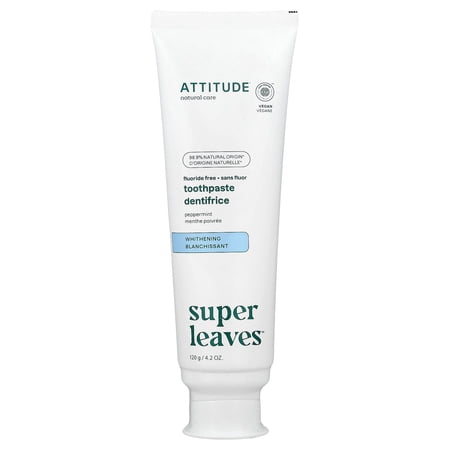
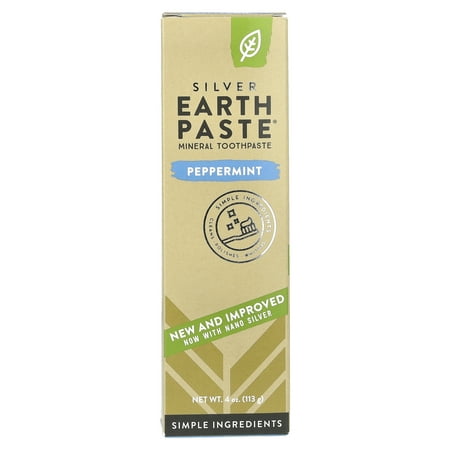

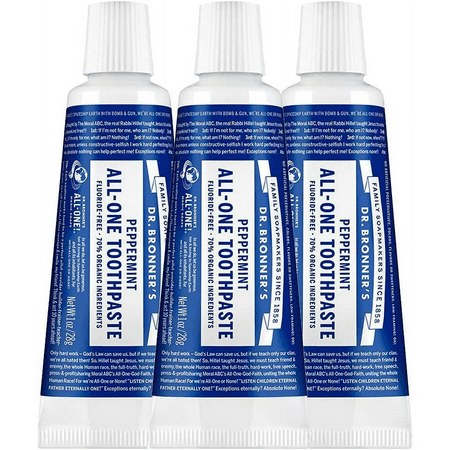
Himalaya Botanique Whitening Complete Care Toothpaste Peppermint Flavor 5.29 oz
Analysis updated October 2026 · How Scout scores
At a glance
Summary
This toothpaste features a clean formula with beneficial ingredients like xylitol, neem, and baking soda, which support oral health by reducing cavity-causing bacteria and maintaining a neutral pH. The absence of harmful chemicals such as fluoride, SLS, and artificial sweeteners enhances its safety profile, making it a strong choice for those seeking natural oral care products.
Key ingredients 19
XylitolVery Good
Xylitol is a natural sweetener that has been shown to reduce cavity-causing bacteria in the mouth. It helps in maintaining oral health by preventing tooth decay. Its use in toothpaste is highly beneficial for dental care.
Risks
Excessive consumption can cause digestive issues, but this is not a concern in toothpaste.
Benefits
Reduces the risk of cavities by inhibiting the growth of harmful bacteria.
Lauryl Glucoside (from coconut oil)Good
Lauryl glucoside is a mild surfactant derived from coconut oil, used to help clean the teeth by foaming. It is considered gentle and safe for use in oral care products. Its natural origin is a positive aspect for those seeking less harsh ingredients.
Risks
There are minimal risks associated with lauryl glucoside in toothpaste.
Benefits
Provides gentle cleansing action without harshness.
Punica Granatum (pomegranate) Fruit ExtractGood
Pomegranate extract is known for its antioxidant properties and potential to reduce oral bacteria. It can contribute to overall oral health by supporting gum health. Its natural origin is a positive aspect for those seeking plant-based ingredients.
Risks
There are no significant risks associated with pomegranate extract in toothpaste.
Benefits
Supports gum health and reduces oral bacteria.
Melia Azadirachta (neem) Leaf ExtractGood
Neem leaf extract is valued for its antimicrobial properties, making it a beneficial addition to oral care products. It helps in reducing plaque and maintaining healthy gums. Its use in toothpaste is advantageous for promoting oral hygiene.
Risks
There are no significant risks associated with neem leaf extract in toothpaste.
Benefits
Reduces plaque and supports gum health.
Bromelain (from pineapple)Good
Bromelain is an enzyme derived from pineapple that can help in breaking down proteins and reducing plaque. It is a natural ingredient that supports oral hygiene. Its inclusion in toothpaste is beneficial for maintaining clean teeth.
Risks
There are no significant risks associated with bromelain in toothpaste.
Benefits
Helps in plaque reduction and maintaining clean teeth.
Papain (from papaya)Good
Papain is an enzyme derived from papaya that can help in breaking down proteins and reducing plaque. It is a natural ingredient that supports oral hygiene. Its inclusion in toothpaste is beneficial for maintaining clean teeth.
Risks
There are no significant risks associated with papain in toothpaste.
Benefits
Helps in plaque reduction and maintaining clean teeth.
Calcium CarbonateNeutral
Calcium carbonate is commonly used as a mild abrasive in toothpaste to help remove plaque and surface stains. It is generally considered safe and effective for this purpose. However, it does not provide any additional antimicrobial benefits.
Risks
There are no significant risks associated with calcium carbonate in toothpaste.
Benefits
It helps in gently polishing the teeth and removing surface stains.
Water (aqua)Neutral
Water is used as a solvent in toothpaste formulations to dissolve other ingredients and provide the desired consistency. It is an essential component but does not contribute directly to oral health. Its presence is necessary for the formulation of the product.
Risks
There are no risks associated with water in toothpaste.
Benefits
Provides the necessary consistency and helps dissolve other ingredients.
Xanthan GumNeutral
Xanthan gum is used as a thickening agent in toothpaste to provide a stable and smooth texture. It is derived from natural sources and is generally considered safe. It does not have any direct impact on oral health.
Risks
There are no significant risks associated with xanthan gum in toothpaste.
Benefits
Helps maintain the consistency and stability of the toothpaste.
MentholNeutral
Standard formulation ingredient — neither beneficial nor harmful at typical use.
Risks
In rare cases, menthol can cause irritation in sensitive individuals.
Benefits
Freshens breath and provides a cooling sensation.
Stevia Rebaudiana (stevia) Leaf/Stem ExtractNeutral
Standard formulation ingredient — neither beneficial nor harmful at typical use.
Risks
There are no significant risks associated with stevia in toothpaste.
Benefits
Sweetens the toothpaste without promoting cavities.
Sodium Cocoyl GlutamateNeutral
Sodium cocoyl glutamate is a mild surfactant derived from coconut oil and amino acids, used for its cleansing properties. It is considered safe and gentle for use in oral care products. It does not have any direct impact on oral health beyond cleaning.
Risks
There are no significant risks associated with sodium cocoyl glutamate in toothpaste.
Benefits
Provides gentle cleansing action.
Disodium Cocoyl Glutamate (from amino acids and vegetable oil)Neutral
Disodium cocoyl glutamate is a surfactant used for its mild cleansing properties, derived from amino acids and vegetable oil. It is considered safe and effective for use in oral care products. It does not contribute directly to oral health beyond its cleaning function.
Risks
There are no significant risks associated with disodium cocoyl glutamate in toothpaste.
Benefits
Provides mild and effective cleansing.
Sodium BicarbonateNeutral
Standard formulation ingredient — neither beneficial nor harmful at typical use.
Risks
Excessive use can lead to enamel wear, but this is unlikely in toothpaste formulations.
Benefits
Helps in stain removal and acid neutralization.
Terminalia Bellerica (belleric myrobalan) Fruit ExtractNeutral
Terminalia bellerica extract is used for its potential antioxidant properties, although its direct impact on oral health is not well-documented. It is included for its traditional use in herbal formulations. Its role in toothpaste is primarily supportive.
Risks
There are no significant risks associated with Terminalia bellerica extract in toothpaste.
Benefits
May provide antioxidant support.
Terminalia Chebula (chebulic myrobalan) Fruit ExtractNeutral
Terminalia chebula extract is traditionally used for its potential health benefits, though its specific effects on oral health are not well-established. It is included for its supportive role in herbal formulations. Its presence in toothpaste is primarily for traditional purposes.
Risks
There are no significant risks associated with Terminalia chebula extract in toothpaste.
Benefits
May provide traditional herbal support.
Emblica Officinalis (amla) Fruit ExtractNeutral
Amla extract is known for its antioxidant properties, though its direct impact on oral health is not well-documented. It is included for its traditional use in herbal formulations. Its role in toothpaste is primarily supportive.
Risks
There are no significant risks associated with amla extract in toothpaste.
Benefits
May provide antioxidant support.
Acacia Arabica (Indian gum Arabic tree) Stem Bark ExtractNeutral
Acacia arabica extract is used for its potential health benefits, though its specific effects on oral health are not well-established. It is included for its traditional use in herbal formulations. Its presence in toothpaste is primarily for traditional purposes.
Risks
There are no significant risks associated with Acacia arabica extract in toothpaste.
Benefits
May provide traditional herbal support.
Flavor (taste)Bad
Processed additive flagged under Scout's ingredient doctrine.
Risks
Undisclosed flavors may cause allergic reactions in sensitive individuals.
Benefits
Improves the taste of the toothpaste, making it more pleasant to use.
Get the full breakdown in the Scout appTake Scout shopping
Scan any product to see lab results, healthy alternatives, and your personalized analysis.
Download on theApp Store GET IT ONGoogle PlayAmazon pricing & content
Amazon price as of . Product prices and availability are accurate as of the date/time indicated and are subject to change. Any price and availability information displayed on Amazon.com at the time of purchase will apply to the purchase of this product.
CERTAIN CONTENT THAT APPEARS ON THIS SITE COMES FROM AMAZON. THIS CONTENT IS PROVIDED “AS IS” AND IS SUBJECT TO CHANGE OR REMOVAL AT ANY TIME.