
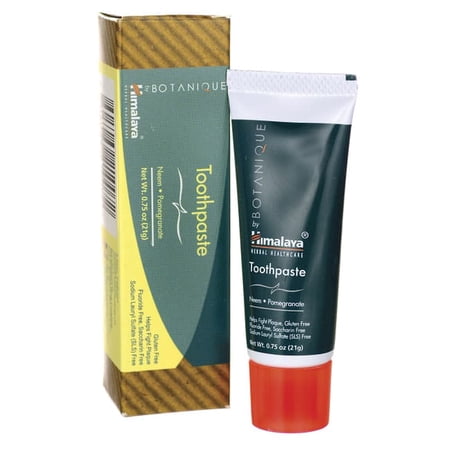

Himalaya Botanique Travel Size Toothpaste - Neem & Pomegranate 0.74 oz Paste
Analysis updated August 2026 · How Scout scores
At a glance
Summary
This toothpaste features beneficial ingredients like xylitol, which helps reduce cavity-causing bacteria, and lauryl glucoside, a gentle surfactant derived from coconut oil. The absence of harmful chemicals such as SLS, fluoride, and artificial sweeteners contributes to its high rating. However, the product is processed, which limits its maximum potential score.
Key ingredients 6
XYLITOLVery Good
Xylitol is a natural sweetener that has been shown to reduce cavity-causing bacteria in the mouth. It is beneficial in oral care products as it helps in maintaining oral hygiene by reducing plaque formation. Xylitol is also known to stimulate saliva production, which is beneficial for oral health.
Risks
In large quantities, xylitol can cause digestive upset, but this is unlikely in toothpaste use.
Benefits
Xylitol significantly reduces the risk of cavities and promotes oral health by inhibiting the growth of harmful bacteria.
VEGETABLE GLYCERIN (FROM VEGETABLE OILS)Good
Beneficial ingredient — whole-food or functional value in this product class.
Risks
There are minimal risks associated with vegetable glycerin, though excessive use can lead to a sticky feeling in the mouth.
Benefits
It helps in maintaining the moisture and consistency of the toothpaste, ensuring a smooth application.
LAURYL GLUCOSIDE (FROM COCONUT OIL)Good
Lauryl glucoside is a mild surfactant derived from coconut oil, used to help create foam and improve the spreadability of toothpaste. It is considered gentle and less irritating compared to harsher surfactants like SLS. It helps in the effective distribution of toothpaste during brushing.
Risks
There are minimal risks associated with lauryl glucoside, making it a safer alternative to harsher surfactants.
Benefits
It enhances the texture and foaming of toothpaste, improving the overall brushing experience.
WATER (AQUA)Neutral
Water is used as a solvent in toothpaste formulations to dissolve other ingredients and provide the desired consistency. It is an essential component but does not directly contribute to oral health. Water helps in the distribution of active ingredients during brushing.
Risks
There are no significant risks associated with water in toothpaste.
Benefits
Water aids in the even distribution of toothpaste ingredients, ensuring effective cleaning.
HYDRATED SILICANeutral
Hydrated silica is used as a mild abrasive to help remove plaque and surface stains from teeth. It is effective in polishing teeth without being overly abrasive. While it aids in cleaning, it does not provide any antimicrobial benefits.
Risks
Overuse of abrasive agents can potentially wear down enamel over time, but hydrated silica is generally considered safe.
Benefits
It helps in gently polishing teeth and removing surface stains, contributing to a brighter smile.
CALCIUM CARBONATENeutral
Calcium carbonate is used as a mild abrasive in toothpaste to aid in cleaning and polishing teeth. It is a common ingredient that helps in removing plaque and surface stains. While it is effective in cleaning, it does not have antimicrobial properties.
Risks
Excessive use of abrasive agents can lead to enamel erosion, but calcium carbonate is generally safe in toothpaste.
Benefits
It assists in the mechanical cleaning of teeth, helping to maintain oral hygiene.
Processing
Processed Culinary Ingredients
Get the full breakdown in the Scout appTake Scout shopping
Scan any product to see lab results, healthy alternatives, and your personalized analysis.
Download on theApp Store GET IT ONGoogle PlayAmazon pricing & content
Amazon price as of . Product prices and availability are accurate as of the date/time indicated and are subject to change. Any price and availability information displayed on Amazon.com at the time of purchase will apply to the purchase of this product.
CERTAIN CONTENT THAT APPEARS ON THIS SITE COMES FROM AMAZON. THIS CONTENT IS PROVIDED “AS IS” AND IS SUBJECT TO CHANGE OR REMOVAL AT ANY TIME.