
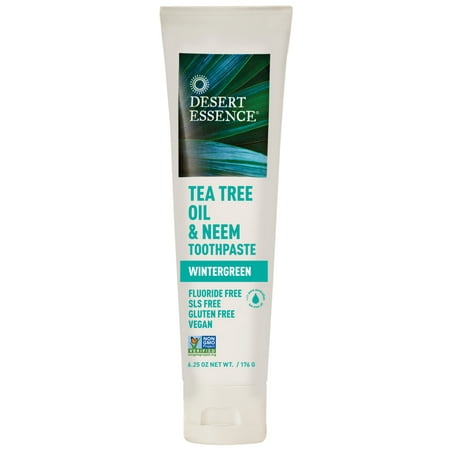

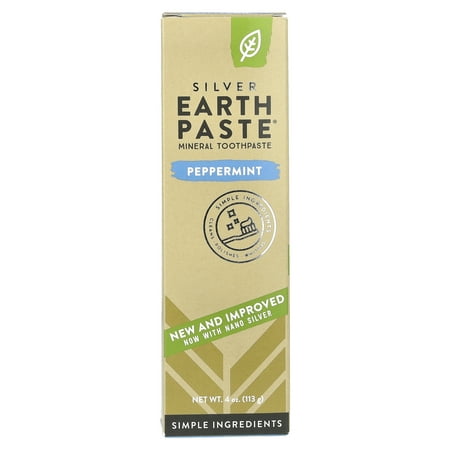


Desert Essence Natural Tea Tree Oil & Neem Toothpaste Wintergreen 6.25 oz Paste
Analysis updated August 2026 · How Scout scores
At a glance
Summary
This toothpaste features a clean formula with beneficial ingredients like tea tree oil, neem, and baking soda, which are known for their antimicrobial and oral health benefits. It avoids harmful substances such as fluoride, SLS, and artificial additives, making it a strong choice for those seeking a natural oral care product. The inclusion of natural mint oils further enhances its appeal without introducing irritants.
Key ingredients 11
Glycerin (Plant)Good
Beneficial ingredient — whole-food or functional value in this product class.
Risks
Excessive glycerin can leave a film on teeth, potentially inhibiting remineralization.
Benefits
Helps in maintaining the texture and moisture of the toothpaste.
Melaleuca Alternifolia (Tea Tree) Leaf WaterGood
Tea tree leaf water is known for its antimicrobial properties, which can help reduce bacteria in the mouth. It is a natural ingredient that supports oral hygiene. However, it should be used in appropriate concentrations to avoid irritation.
Risks
High concentrations can cause irritation or allergic reactions in sensitive individuals.
Benefits
Provides natural antimicrobial effects, helping to maintain oral health.
Eco-Harvest® Melaleuca Alternifolia (Tea Tree) Leaf OilGood
Tea tree leaf oil is known for its strong antimicrobial properties, which can help reduce bacteria and improve oral hygiene. It is a natural ingredient that supports healthy gums and teeth. However, it should be used in appropriate concentrations to avoid irritation.
Risks
High concentrations can cause irritation or allergic reactions in sensitive individuals.
Benefits
Provides potent antimicrobial effects, supporting oral health.
Melia Azadirachta Extract (Neem)Good
Neem extract is valued for its antibacterial and anti-inflammatory properties, making it beneficial for oral health. It can help reduce plaque and prevent gum disease. However, it should be used in appropriate concentrations to avoid irritation.
Risks
High concentrations can cause irritation or allergic reactions in sensitive individuals.
Benefits
Offers antibacterial and anti-inflammatory benefits, promoting healthy gums.
Sea SaltGood
Beneficial ingredient — whole-food or functional value in this product class.
Risks
Excessive use can lead to enamel wear due to its abrasive nature.
Benefits
Helps in cleaning teeth and neutralizing acids, supporting oral health.
Calcium CarbonateNeutral
Calcium carbonate is a common abrasive used in toothpaste to help remove plaque and surface stains. It is generally considered safe and effective for oral care. However, it does not provide any antimicrobial benefits.
Risks
There are minimal risks associated with calcium carbonate in toothpaste.
Benefits
It helps in mechanically cleaning teeth by acting as a mild abrasive.
Purified Water (Aqua)Neutral
Purified water is used as a solvent in toothpaste formulations. It is essential for dissolving other ingredients and ensuring a smooth consistency. It does not have any direct oral health benefits.
Risks
There are no significant risks associated with purified water in toothpaste.
Benefits
Acts as a solvent to help mix and stabilize other ingredients.
Gaultheria Procumbens (Wintergreen) Leaf OilNeutral
Standard formulation ingredient — neither beneficial nor harmful at typical use.
Risks
High concentrations can be irritating or toxic if ingested in large amounts.
Benefits
Provides a refreshing flavor and may offer antimicrobial benefits.
Sodium BicarbonateNeutral
Standard formulation ingredient — neither beneficial nor harmful at typical use.
Risks
Excessive use can lead to enamel wear due to its abrasive nature.
Benefits
Helps in cleaning teeth and neutralizing acids, promoting oral health.
Sodium Lauroyl SarcosinateBad
Processed additive flagged under Scout's ingredient doctrine.
Risks
Generally considered safe, but can cause mild irritation in sensitive individuals.
Benefits
Helps in foaming and spreading the toothpaste effectively.
Carrageenan (Plant)Bad
Processed additive flagged under Scout's ingredient doctrine.
Risks
Some studies suggest it may cause inflammation in the digestive tract, but this is more relevant to food products.
Benefits
Provides a smooth texture and consistency to the toothpaste.
Get the full breakdown in the Scout appTake Scout shopping
Scan any product to see lab results, healthy alternatives, and your personalized analysis.
Download on theApp Store GET IT ONGoogle PlayAmazon pricing & content
Amazon price as of . Product prices and availability are accurate as of the date/time indicated and are subject to change. Any price and availability information displayed on Amazon.com at the time of purchase will apply to the purchase of this product.
CERTAIN CONTENT THAT APPEARS ON THIS SITE COMES FROM AMAZON. THIS CONTENT IS PROVIDED “AS IS” AND IS SUBJECT TO CHANGE OR REMOVAL AT ANY TIME.