
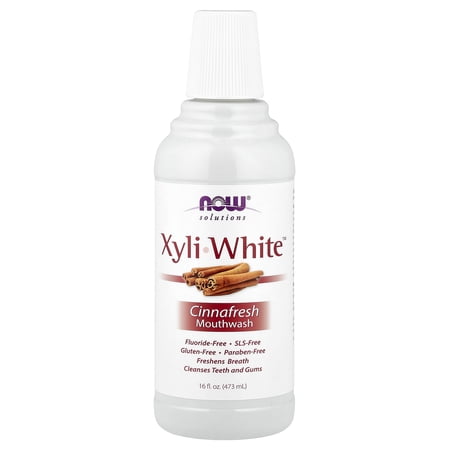
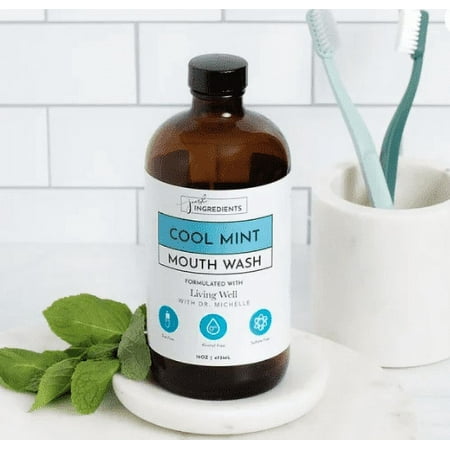
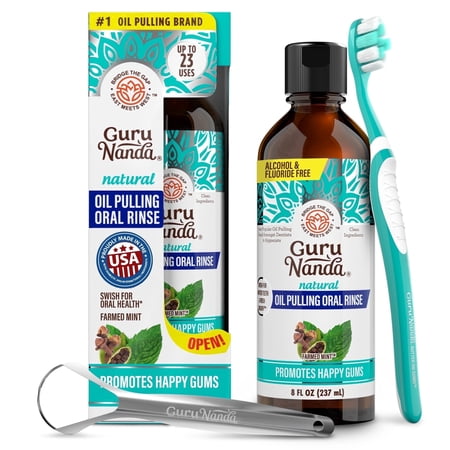

NOW Foods Solutions XyliWhite™ Mouthwash Cinnafresh 16 fl oz (473 ml)
Analysis updated October 2026 · How Scout scores
At a glance
Summary
This mouthwash features a clean formula with beneficial ingredients like xylitol, which helps reduce cavity-causing bacteria, and aloe vera, known for its soothing properties. The inclusion of essential oils such as cinnamon and tea tree oil provides antimicrobial benefits without the use of harmful chemicals like SLS or fluoride. The absence of alcohol and other irritants further enhances its safety and effectiveness for oral care.
Key ingredients 8
XylitolVery Good
Xylitol is a natural sweetener that has been shown to reduce cavity-causing bacteria in the mouth. It helps maintain oral health by inhibiting the growth of harmful bacteria. It is highly beneficial in oral care products.
Risks
Excessive consumption of xylitol can cause digestive issues, but this is not a concern in mouthwash.
Benefits
Xylitol reduces the risk of cavities by inhibiting the growth of harmful oral bacteria.
Aloe barbadensis leaf juiceGood
Aloe vera is known for its soothing properties and is often used to calm irritated tissues. In oral care, it can help soothe the gums and oral mucosa. It is considered beneficial for maintaining oral health.
Risks
There are minimal risks associated with aloe vera when used in oral care products.
Benefits
Aloe vera can help soothe and heal oral tissues, providing a calming effect on the gums.
GlycerinGood
Beneficial ingredient — whole-food or functional value in this product class.
Risks
There are no significant risks associated with glycerin in this context.
Benefits
Glycerin helps maintain moisture and improves the texture of the mouthwash.
Essential oil flavor blendGood
The essential oil blend includes cinnamon, thyme, tea tree, and other oils known for their antimicrobial properties. These oils can help reduce oral bacteria and freshen breath. They are beneficial in maintaining oral hygiene.
Risks
Essential oils can cause irritation in sensitive individuals, but this is rare.
Benefits
Essential oils provide antimicrobial benefits and help freshen breath.
Water (aqua)Neutral
Water is a common solvent used in many products. It serves as a base for dissolving other ingredients. It does not have any direct benefits or risks in the context of mouthwash.
Risks
There are no significant risks associated with water in this context.
Benefits
Water helps to dissolve and distribute other active ingredients in the mouthwash.
Caprylic/capric glyceridesNeutral
Caprylic/capric glycerides are used as emulsifiers and skin-conditioning agents. In oral care, they help blend oil and water-based ingredients. They do not have significant direct benefits or risks.
Risks
There are no significant risks associated with caprylic/capric glycerides in this context.
Benefits
They help emulsify and stabilize the mouthwash formulation.
Glycerin and ethyl lauroyl arginate HClNeutral
Ethyl lauroyl arginate HCl is a preservative with antimicrobial properties. It helps maintain product stability and safety. It does not have significant direct benefits or risks in mouthwash.
Risks
There are no significant risks associated with ethyl lauroyl arginate HCl in this context.
Benefits
It helps preserve the mouthwash and maintain its antimicrobial efficacy.
Citric acidNeutral
Citric acid is used to adjust the pH of products and can act as a preservative. In oral care, it helps maintain the stability of the formulation. It does not have significant direct benefits or risks.
Risks
Excessive citric acid can erode enamel, but this is not a concern in mouthwash.
Benefits
Citric acid helps stabilize the pH and preserve the mouthwash.
Get the full breakdown in the Scout appTake Scout shopping
Scan any product to see lab results, healthy alternatives, and your personalized analysis.
Download on theApp Store GET IT ONGoogle PlayAmazon pricing & content
Amazon price as of . Product prices and availability are accurate as of the date/time indicated and are subject to change. Any price and availability information displayed on Amazon.com at the time of purchase will apply to the purchase of this product.
CERTAIN CONTENT THAT APPEARS ON THIS SITE COMES FROM AMAZON. THIS CONTENT IS PROVIDED “AS IS” AND IS SUBJECT TO CHANGE OR REMOVAL AT ANY TIME.