
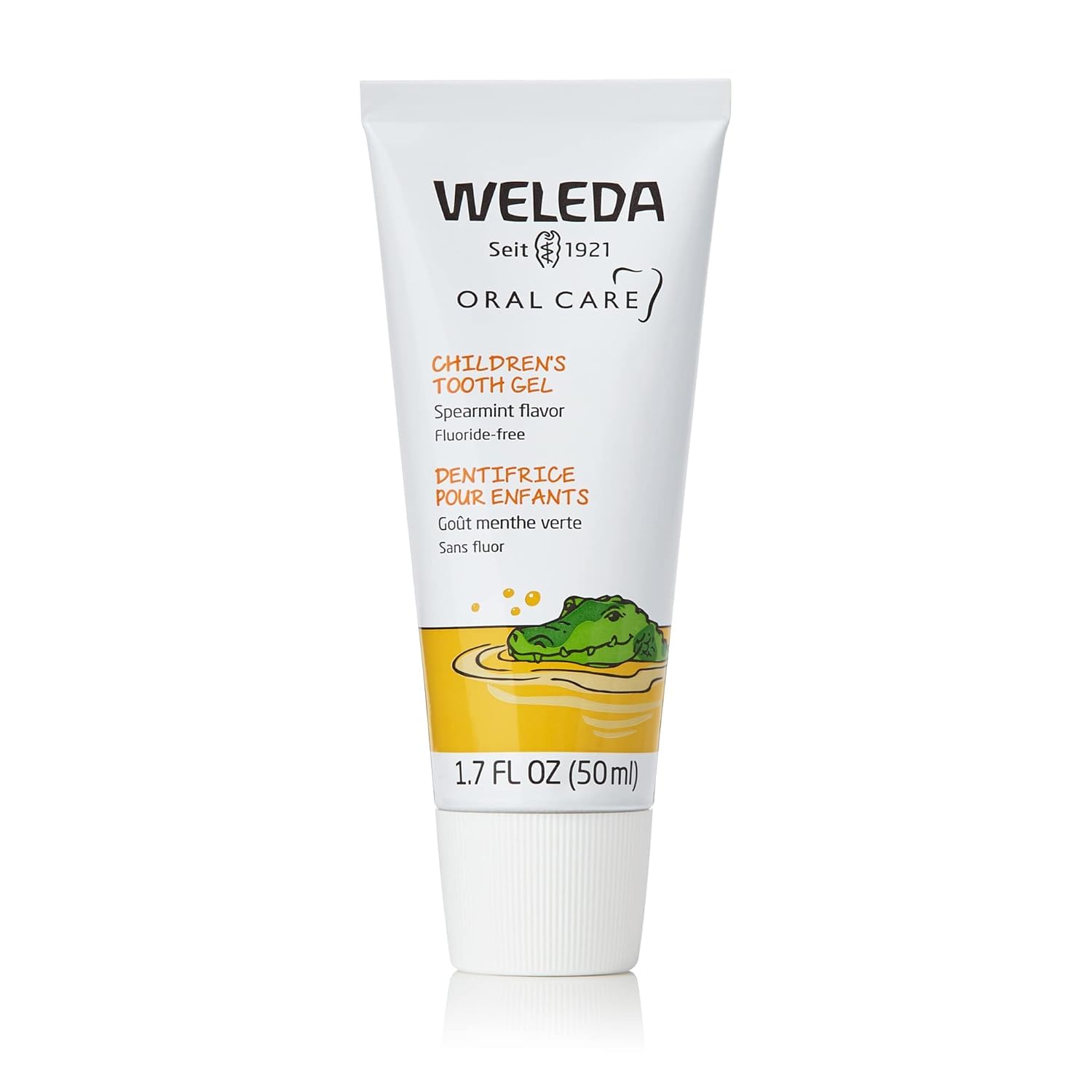
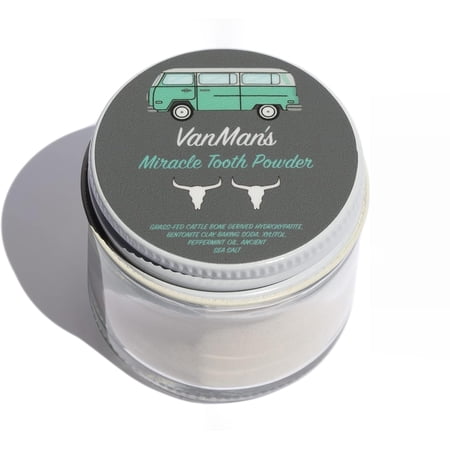
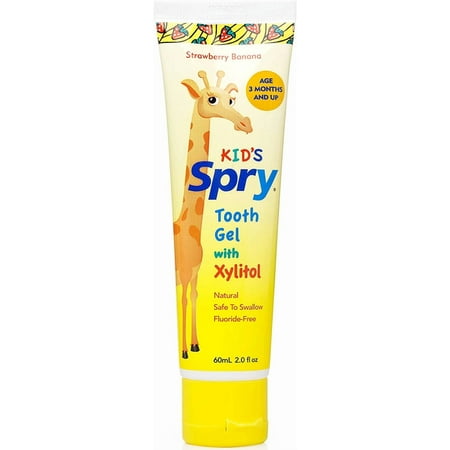

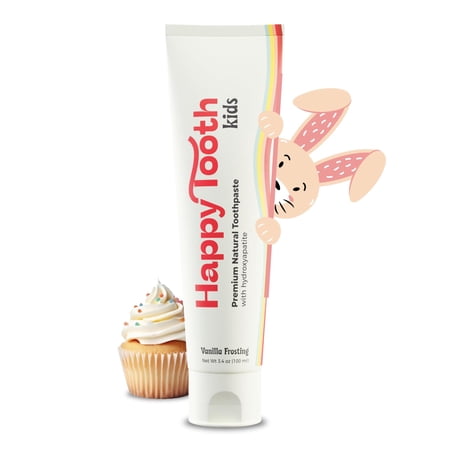
Weleda Children's Tooth Gel, 1.7 oz
Analysis updated August 2026 · How Scout scores
At a glance
Summary
This children's tooth gel features a clean ingredient list with no harmful chemicals commonly found in oral care products. It includes calendula extract, known for its soothing properties, and avoids irritants like SLS, fluoride, and artificial sweeteners. The use of natural ingredients and absence of concerning additives contribute to its high rating.
Key ingredients 9
GlycerinGood
Beneficial ingredient — whole-food or functional value in this product class.
Risks
There are no significant risks associated with glycerin in oral care products.
Benefits
Glycerin helps maintain the gel's consistency and prevents it from drying out.
Calendula Officinalis Flower ExtractGood
Calendula extract is known for its soothing and anti-inflammatory properties. It is often used in oral care products to promote gum health. It is considered safe and beneficial for oral tissues.
Risks
There are minimal risks associated with calendula extract, though allergic reactions are possible in sensitive individuals.
Benefits
Calendula extract can help soothe irritated gums and support overall oral health.
WaterNeutral
Water is used as a solvent and carrier for other ingredients in the formulation. It is essential for dissolving and mixing other components. It does not have any active role in oral care.
Risks
There are no risks associated with water in this context.
Benefits
Water helps to dissolve and evenly distribute the active ingredients in the gel.
SilicaNeutral
Silica is used as a mild abrasive to help remove plaque and surface stains from teeth. It is generally considered safe and effective for this purpose. It does not pose significant health risks when used in toothpaste.
Risks
Excessive use of abrasive materials can potentially wear down enamel over time.
Benefits
Silica helps in cleaning teeth by removing plaque and surface stains.
AlginNeutral
Algin is a natural thickening agent derived from seaweed. It is used to stabilize and thicken the gel formulation. It is generally considered safe and non-irritating.
Risks
There are no significant risks associated with algin in oral care products.
Benefits
Algin helps maintain the gel's consistency and stability.
Prunus Amygdalus Dulcis (Sweet Almond) OilNeutral
Sweet almond oil is used as an emollient to help moisturize and condition oral tissues. It is generally safe and non-irritating. It does not have a significant active role in oral care.
Risks
There is a minor risk of allergic reactions in individuals with nut allergies.
Benefits
Sweet almond oil helps to moisturize and condition the gums and oral tissues.
EsculinNeutral
Esculin is a compound derived from horse chestnut and is used for its potential anti-inflammatory properties. It is not commonly used in oral care products but is considered safe in small amounts. Its role in oral care is not well-defined.
Risks
There are no significant risks associated with esculin in this context.
Benefits
Esculin may provide mild anti-inflammatory benefits to oral tissues.
Flavor (Aroma)Bad
Processed additive flagged under Scout's ingredient doctrine.
Risks
Undisclosed flavor components can pose allergy risks to sensitive individuals.
Benefits
Flavoring improves the user experience by making the product more palatable.
LimoneneBad
Processed additive flagged under Scout's ingredient doctrine.
Risks
Limonene can cause allergic reactions in sensitive individuals.
Benefits
Limonene provides a fresh scent and may offer mild antimicrobial benefits.
Get the full breakdown in the Scout appTake Scout shopping
Scan any product to see lab results, healthy alternatives, and your personalized analysis.
Download on theApp Store GET IT ONGoogle Play