
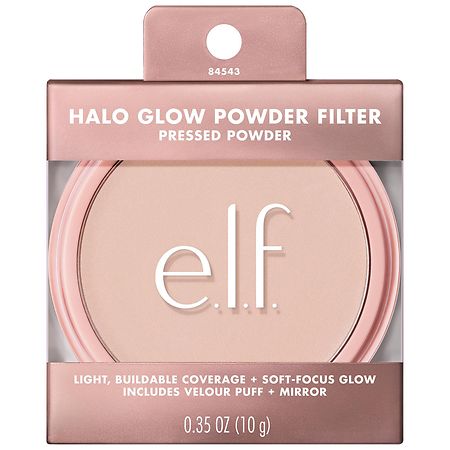
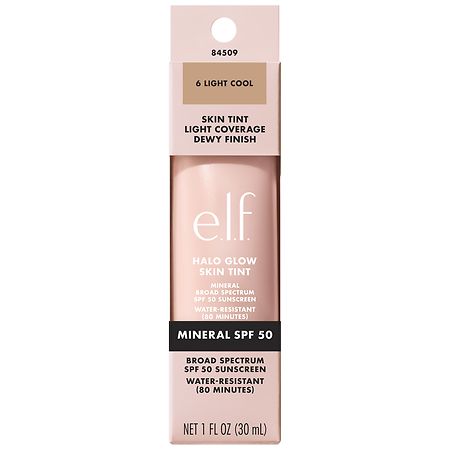


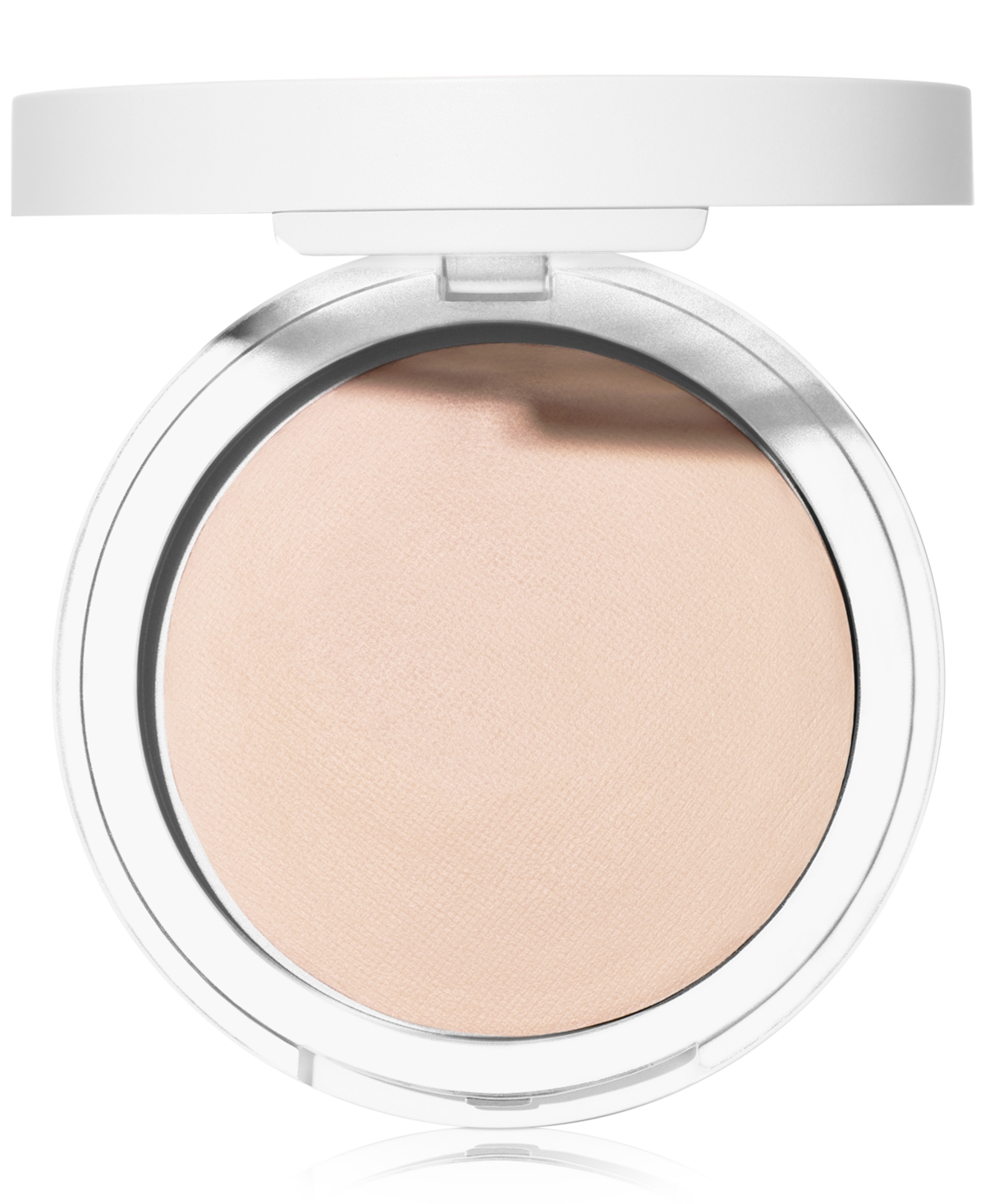
e.l.f. Halo Glow Powder Filter Foundation - Fair Neutral Cool - 0.35oz: Paraben-Free, Vegan, Buildable, Shine Control
Analysis updated August 2026 · How Scout scores
At a glance
Summary
This foundation contains beneficial ingredients like squalane and hydrolyzed sodium hyaluronate, which provide excellent moisturizing and skin-enhancing properties. However, the presence of phenoxyethanol, a synthetic preservative, and other synthetic compounds slightly lowers its score due to potential irritation and the processed nature of the product. The formula is mostly safe but includes some synthetic elements that prevent it from achieving a top-tier rating.
Key ingredients 23
SqualaneVery Good
Squalane is a highly effective emollient and natural antioxidant. It is derived from olives and is known for its moisturizing properties. It is considered very beneficial for the skin, providing hydration and improving skin texture.
Risks
There are no significant risks associated with Squalane.
Benefits
It provides excellent moisturizing properties and improves skin texture.
Hydrolyzed Sodium HyaluronateVery Good
Hydrolyzed Sodium Hyaluronate is a form of hyaluronic acid that provides excellent moisturizing properties. It penetrates the skin to deliver hydration and improve skin elasticity. It is considered very beneficial for the skin.
Risks
There are no significant risks associated with Hydrolyzed Sodium Hyaluronate.
Benefits
It provides deep hydration and improves skin elasticity.
Synthetic FluorphlogopiteNeutral
Synthetic Fluorphlogopite is a synthetic version of mica, used to add shimmer and shine to cosmetics. It is considered safe for use in cosmetics and does not pose significant health risks. However, it is a synthetic ingredient and does not provide any skin benefits.
Risks
There are no significant risks associated with Synthetic Fluorphlogopite.
Benefits
It provides a shimmering effect, enhancing the visual appeal of the product.
SilicaNeutral
Silica is used in cosmetics for its oil-absorbing properties and to improve the texture of products. It is generally considered safe for use in cosmetics. However, inhalation of silica dust can be harmful, though this is not a concern in liquid or cream formulations.
Risks
Inhalation of silica dust can be harmful, but this is not a concern in this product form.
Benefits
It helps control shine and provides a matte finish.
PolymethylsilsesquioxaneNeutral
Polymethylsilsesquioxane is a silicone used to enhance the texture and spreadability of cosmetic products. It provides a silky feel and helps to blur imperfections. It is considered safe for use in cosmetics.
Risks
There are no significant risks associated with Polymethylsilsesquioxane.
Benefits
It improves the texture and provides a soft-focus effect on the skin.
Boron NitrideNeutral
Boron Nitride is used in cosmetics to improve the texture and provide a soft-focus effect. It is considered safe for use in cosmetics. However, it is a synthetic ingredient and does not provide active skin benefits.
Risks
There are no significant risks associated with Boron Nitride.
Benefits
It enhances the texture and provides a soft-focus effect.
TriethoxycaprylylsilaneNeutral
Triethoxycaprylylsilane is a silicone-based ingredient used to improve the adhesion of pigments in cosmetics. It is considered safe for use in cosmetics. However, it is a synthetic ingredient and does not offer active skin benefits.
Risks
There are no significant risks associated with Triethoxycaprylylsilane.
Benefits
It improves pigment adhesion and enhances product longevity.
Zinc StearateNeutral
Zinc Stearate is used in cosmetics as a lubricant and thickening agent. It is considered safe for use in cosmetics. However, it is a synthetic ingredient and does not provide active skin benefits.
Risks
There are no significant risks associated with Zinc Stearate.
Benefits
It helps improve the texture and consistency of the product.
Zinc PalmitateNeutral
Zinc Palmitate is used in cosmetics as a skin conditioning agent. It is considered safe for use in cosmetics. However, it is a synthetic ingredient and does not provide active skin benefits.
Risks
There are no significant risks associated with Zinc Palmitate.
Benefits
It acts as a skin conditioning agent.
Octyldodecyl Stearoyl StearateNeutral
Octyldodecyl Stearoyl Stearate is used in cosmetics as an emollient and thickening agent. It is considered safe for use in cosmetics. However, it is a synthetic ingredient and does not provide active skin benefits.
Risks
There are no significant risks associated with Octyldodecyl Stearoyl Stearate.
Benefits
It acts as an emollient, providing a smooth application.
Diisostearyl MalateNeutral
Diisostearyl Malate is used in cosmetics as an emollient and thickening agent. It is considered safe for use in cosmetics. However, it is a synthetic ingredient and does not provide active skin benefits.
Risks
There are no significant risks associated with Diisostearyl Malate.
Benefits
It acts as an emollient, providing a smooth application.
Isoamyl LaurateNeutral
Isoamyl Laurate is used in cosmetics as an emollient and thickening agent. It is considered safe for use in cosmetics. However, it is a synthetic ingredient and does not provide active skin benefits.
Risks
There are no significant risks associated with Isoamyl Laurate.
Benefits
It acts as an emollient, providing a smooth application.
Aluminum Starch OctenylsuccinateNeutral
Aluminum Starch Octenylsuccinate is used in cosmetics as an absorbent and anti-caking agent. It is considered safe for use in cosmetics. However, it is a synthetic ingredient and does not provide active skin benefits.
Risks
There are no significant risks associated with Aluminum Starch Octenylsuccinate.
Benefits
It helps absorb excess oil and prevents caking.
Caprylyl GlycolNeutral
Caprylyl Glycol is used in cosmetics as a skin conditioning agent and preservative. It is considered safe for use in cosmetics. However, it is a synthetic ingredient and does not provide active skin benefits.
Risks
There are no significant risks associated with Caprylyl Glycol.
Benefits
It acts as a skin conditioning agent and helps preserve the product.
Synthetic SapphireNeutral
Synthetic Sapphire is used in cosmetics to add a luxurious feel and enhance the visual appeal. It is considered safe for use in cosmetics. However, it is a synthetic ingredient and does not provide active skin benefits.
Risks
There are no significant risks associated with Synthetic Sapphire.
Benefits
It enhances the visual appeal and provides a luxurious feel.
Tin OxideNeutral
Tin Oxide is used in cosmetics as an opacifying agent and to add shine. It is considered safe for use in cosmetics. However, it is a synthetic ingredient and does not provide active skin benefits.
Risks
There are no significant risks associated with Tin Oxide.
Benefits
It adds shine and enhances the visual appeal of the product.
Titanium Dioxide (Cl 77891)Neutral
Titanium Dioxide is used in cosmetics as a pigment and UV filter. It is considered safe for use in cosmetics. However, it is a synthetic ingredient and does not provide active skin benefits.
Risks
There are no significant risks associated with Titanium Dioxide in this form.
Benefits
It provides pigmentation and UV protection.
Bismuth Oxychloride (Ci 77163)Neutral
Bismuth Oxychloride is used in cosmetics to add shimmer and improve texture. It is considered safe for use in cosmetics. However, it is a synthetic ingredient and does not provide active skin benefits.
Risks
It may cause irritation in some individuals with sensitive skin.
Benefits
It adds shimmer and improves the texture of the product.
Iron Oxide (Ci 77492)Neutral
Iron Oxides are used in cosmetics as pigments. They are considered safe for use in cosmetics. However, they are synthetic ingredients and do not provide active skin benefits.
Risks
There are no significant risks associated with Iron Oxides.
Benefits
They provide pigmentation and color to the product.
Iron Oxide (Ci 77491)Neutral
Iron Oxides are used in cosmetics as pigments. They are considered safe for use in cosmetics. However, they are synthetic ingredients and do not provide active skin benefits.
Risks
There are no significant risks associated with Iron Oxides.
Benefits
They provide pigmentation and color to the product.
Iron Oxide (Ci 77499)Neutral
Iron Oxides are used in cosmetics as pigments. They are considered safe for use in cosmetics. However, they are synthetic ingredients and do not provide active skin benefits.
Risks
There are no significant risks associated with Iron Oxides.
Benefits
They provide pigmentation and color to the product.
DimethiconeBad
Occlusive silicone film-former — flagged under clean-beauty doctrine.
Risks
It may cause breakouts in some individuals with sensitive skin.
Benefits
It helps to smooth the skin's surface and improve the product's spreadability.
PhenoxyethanolBad
Phenoxyethanol is a preservative used in cosmetics to prevent microbial growth. It is considered safe in low concentrations but can cause irritation in some individuals. It is a synthetic ingredient and does not provide active skin benefits.
Risks
It may cause skin irritation, especially in sensitive individuals.
Benefits
It helps preserve the product by preventing microbial growth.
Get the full breakdown in the Scout appTake Scout shopping
Scan any product to see lab results, healthy alternatives, and your personalized analysis.
Download on theApp Store GET IT ONGoogle PlayAmazon pricing & content
Amazon price as of . Product prices and availability are accurate as of the date/time indicated and are subject to change. Any price and availability information displayed on Amazon.com at the time of purchase will apply to the purchase of this product.
CERTAIN CONTENT THAT APPEARS ON THIS SITE COMES FROM AMAZON. THIS CONTENT IS PROVIDED “AS IS” AND IS SUBJECT TO CHANGE OR REMOVAL AT ANY TIME.